Pelvic Rehab Report
The official Herman & Wallace blog. New blogs post every Friday on topics relating to the field of pelvic floor dysfunction.
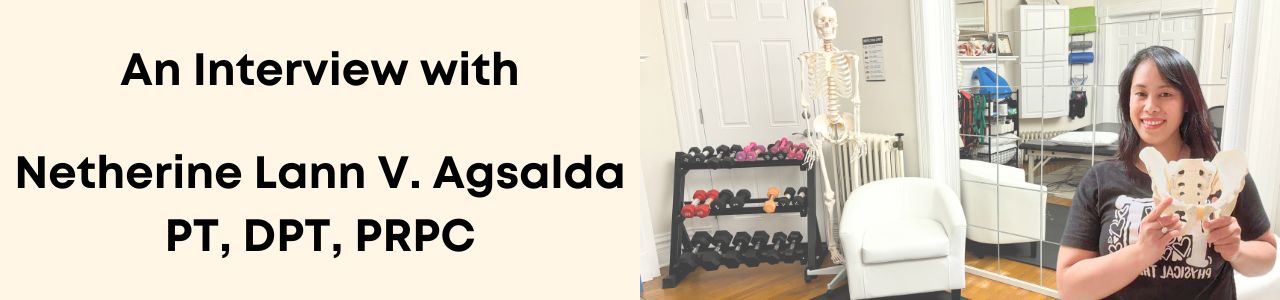
Can you tell me a little bit about who you are and your journey to pelvic rehab?
I graduated from Physical Therapy school year 2002 with a bachelor’s degree in physical therapy and finished my transitional doctorate here in the United States. Never did I imagine that I would find my path one day to treating pelvic floor disorders. My experiences were combinations of orthopedic rehabilitation, and pain management with in-patient and out-patient settings. I started practicing in the Philippines, went to the Middle East, and finally found my way to Illinois in 2011.
I am fascinated with how postural alignment and the coordination of the full body can affect one region of the body from distally to proximal, to centrally and peripherally. How a single whip of one body part - how the coordination of breathing and moving, stabilization of core/spine/pelvic floor/scapula can affect even your distal body region.
I love finding the cause of the problem in my patient and not only treating the main complaint. I want to understand what caused the issue. I feel accomplished when I can make my patients understand why they have the problems and symptoms they have and teach them to manage it. That’s when I feel the most accomplished with what my role in their life is.
I had been practicing as a pelvic floor therapist for more than 5 years before I finally decided to get my PRPC certification. Herman & Wallace has been my mentor from the moment I started my journey in this specialty. I learned a lot from Herman & Wallace and the continued learning fueled my passion for learning even more. Every time I learn a technique from assessment to holding and releasing tissues, and understanding facial connections, etc. I get more excited and involved. Every time I have a patient in front of me who tells me their story and issues, I just feel so blessed to be able to understand their problem and so thankful that I can touch their lives and help them get better. Thank you to all the dedicated Herman & Wallace instructors and facilitators!
What does a "day in the life" look like for you?
10 years ago, I was not as productive as I am now. Yes, I worked a lot, but my patient load was not near what it is now that I am a pelvic floor therapist. I worked as a full-time therapist at Jacksonville Memorial Hospital. I’m one of only 2 pelvic floor therapists and the only one treating male pelvic floor issues. On top of that, I also work part-time in my own clinic that I opened to serve patients in my area and others nearby who don’t have access to pelvic floor therapists. I have patients driving from 2 hours away because they cannot find a pelvic floor therapist. The waiting time for a new patient evaluation in the hospital where I work is 2-4 months. This is the main reason why I decided to open my own clinic, Netherine’s Physical Therapy, Pelvic Floor and Wellness. There is such a big need for pelvic floor therapists in our area. This is what God intended for me to do, and I’m loving the work.
What does your usual day look like?
My usual day is nonstop! A minimum of 24 units to 32 units in a day. One patient directly to another. Rushing through my one-hour lunch to have 30 minutes to call my own and then prepare again for my 1 pm patient. My caseload is 80% pelvic floor and 20% patients referred to me by colleagues (that are not improving after long-term treatment). As a pelvic floor therapist, I understand the relationship of the body from head to foot and from superficial to internal so I can easily create a POC that is more effective than when I was a basic orthopedic therapist.
I just love being a pelvic floor therapist. The music to my ears and heart is when my patient says- I’m not leaking anymore. I’m saving money because I don’t have to use pads or Depends. I have a bowel movement every day. I do not strain. I have a normal sex life. I don’t have anything falling “down there.” I feel more rested and more energized because I’m sleeping better at night. Thank you for not giving up on me.
Mora Pluchino, PT, DPT, PRPC is a Stockton University graduate with a BS in Biology (2007), and a Doctorate in Physical Therapy (2009). Mora's toolkit involves experience in a variety of areas and settings, including working with children and adults, including orthopedics, bracing, neuromuscular issues, vestibular issues, robotics training, and in 2016 she began treating Pelvic Health patients. Mora is active with Herman & Wallace as a Lead TA, faculty, member of the content team, and has written and instructs 3 of her own courses with HW including Pediatric Pelvic Floor Play Skills which is intervention-focused, and does not delve into specific pediatric diagnoses.
“I’m an expert at children’s behavior” said no experienced therapist (or parent or teacher) EVER. Working with kids is one of the most gratifying and frustrating, not to mention mystifying experiences I have ever had. What works for one child sends another into a temper tantrum. What one kid thinks is fun has another whining about how they may die of boredom. Ask the pelvic organ stuffies in my treatment what I’m talking about, they could tell you some stories!
Herman & Wallace has two amazing pediatric courses by Dawn Sandalcidi (Dawn Sandalcidi’s course Pediatric Incontinence and Pelvic Floor Dysfunction) that give such a great foundation to diving intro treating pediatric clients. I’ve taken them both myself and would not have been the clinician, teaching assistant or instructor I am without them. In these classes you can learn all of the diagnoses, latest research and treatment protocols from someone who has been a leader in pediatric pelvic floor therapy for years.
Why then did I feel the need to write a course about pediatrics? Because even with all the most wonderful information in the world – when working with kids, applying that can be really tricky. What if you don’t have a fancy biofeedback machine? What if you are not viscerally trained? What if children (or their parents) terrify you? As a teaching assistant, I received many calls, emails, and chats asking how to APPLY all that information, whether to their own kids or their patients.
If you are already an experienced pediatric therapist, this class is not for you. This class IS for the person who is a pelvic floor provider with pelvic floor skills but doesn’t know what the heck to do when a pediatric patient comes in to see them. This is for the therapist Pinterest-ing play skill ideas and asking on Facebook pelvic floor support groups how to make therapy something children and their parents buy into. It's for the person who wants to help little kids but just needs some basic skills and doesn’t have them in their toolbox. Maybe you’ve been a nanny, babysitter, auntie, or are a parent, but you just need to know what to do clinically.
Did you ever see those memes “do this thing but make it fashion.” Pediatric Pelvic Floor Play Skills embodies the idea of “do pelvic floor therapy with kids but make it look like we’re playing.” So, to set the expectations…there will not be standard biofeedback in this class and there also won’t be a ton of undressed or internal techniques because this is the starter toolbox.
What will be included?
-
- Manual techniques - can we teach a parent or child
- Positions - can we play to stretch or strengthen
- Extracurriculars - should we encourage
- How do we approach the colicky baby, the stubborn two-year-old, the chatter preschooler or even scarier…the TWEEN
- Managing a child’s care team at every age, stage and different settings
- Activity recommendations, toy suggestions with a purpose, resources for if you need more help
Not sure if this is for you? Here is some feedback from our last class:
“I’ve been a pediatric PT for 26 years and practiced in the home based, school and sensory gym settings primarily until making the jump over to hospital-based outpatient and NICU in the last seven. We’ve been developing the pediatric pelvic program, with the help of our adult pelvic therapists. I jumped in right away when I saw your course, as it seemed a natural progression from the PEDS 1 course that I attended under Dawn Sandalcidi. I was a little hesitant at the online format, as I know I don’t learn as well in that format as I do in person, but I was happily proven wrong. Mora was dynamic and really made the course lively and fun. Thank you for such a great course.”
“I want to start by saying I think it was a great course that was very well put together. I enjoyed the videos demonstrating with all the treatment techniques as I am a visual learner, and this was incredibly helpful.”
“I really enjoyed taking this course and felt that I learned a lot. The way Mora presented patient treatment videos/examples was very helpful.”
To learn more about Pediatric Pelvic Floor Play Skills join Mora in her upcoming course scheduled for March 24, 2024. If you miss the spring course, it is also scheduled for June 29th, and October 20th.
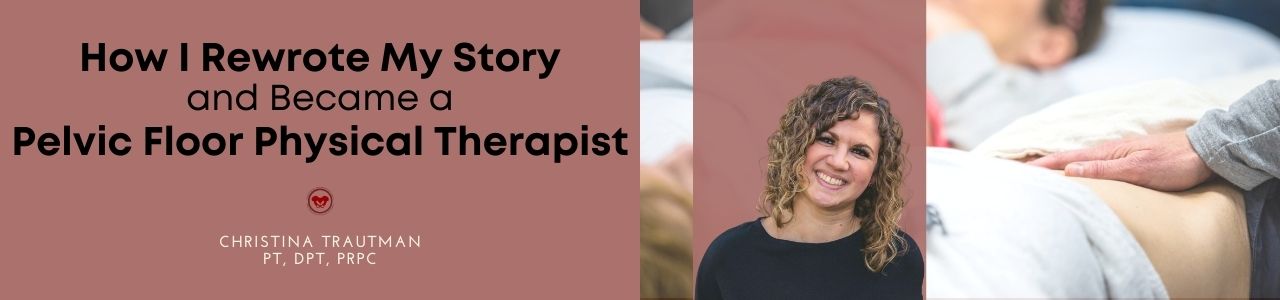
My name is Christina Trautman, and I am the Owner of The Pelvic Floor Place in Vancouver, WA. I am 39 years old and have been a practicing Pelvic Floor Physical Therapist for almost 14 years. I did not just stumble upon this career, it saved me.
I started having pelvic floor issues at the age of 7, peeing my pants when I would laugh. I had no physical trauma or incident as to why this was happening so as a 7-year-old, this was obviously humiliating and so embarrassing. This continued throughout elementary and went into middle school. When I was 13 and first got my period, I literally could not put in a tampon because my pelvic floor and vagina was so tight. This was frustrating and very inconvenient for an active sport-playing high schooler especially because all my friends could. What was wrong with me? I often felt alone and had no one I could talk to about my issues. After pleading with my mom to take me to a gynecologist for this difficulty and debilitating periods, I finally went as a sophomore in high school. It was the worst pain and experience of my life. Not only was I cramping for days and sobbing from the pain, but she told me, “You just need to have a kid and all your pain and issues will go away.”
Thankfully, I didn’t listen to her as getting pregnant at 14 wasn’t exactly the story I wanted and literally I probably couldn’t have sex if I tried. I continued to leak with laughing, couldn’t use a tampon, had debilitating periods, and was scared to death to date anyone. No one I knew had any of the same issues I had, and it wasn’t really a conversation my mom wanted to have with me. So, I continued to feel alone and in a lot of pain.
I compensated with my body throughout high school and college and couldn’t see improvement until I had Pelvic Floor Physical Therapy in my sophomore year in college. I was working as an aide in a PT clinic and luckily, they had a great Women’s Health PT there who noticed I had some pelvic floor symptoms. I was treated by her for a few years on and off and saw a huge improvement in my pain, leaking, and weakness. She connected the dots on all my issues that really stemmed from anxiety and an out-of-whack nervous system that started as a young kid after my parents divorced at the age of 3. After several treatments, I could put a tampon in, I didn’t leak with laughing, and was starting to get stronger in my core and pelvic floor.
I knew I had to go to PT school to treat women who had similar issues, so they too didn’t feel alone, embarrassed, humiliated, and frustrated.
My first job out of PT school was with that same therapist who treated me during college in Beaverton, OR. I took a Herman & Wallace Women’s Health class on a weekend before graduating from PT school and started studying all about the pelvic floor along with studying for my boards. She mentored me and I started seeing Women’s Health clients on day 1 of work. I loved it. This was my calling.
I split my time at that fast-paced office and a smaller clinic in Scappoose, OR. I was there for 2 years treating about 25-30% of women’s health clients. During that time, I took 3 different Herman & Wallace courses along with other classes dealing with Women’s Health. Every time I took a class, I wanted more. I wanted more complex clients and more time to treat them. I started dating a guy who lived in Vancouver WA, who is now my amazing husband, and I was ready for a change, so I took a job at a Chronic Pain clinic working as their Pelvic PT Specialist in Vancouver WA. I learned a ton and got to work with a good friend of mine. However, every day on my schedule, I would get so excited for my Pelvic clients and bored with my other orthopedic clients. So, I started looking for a full-time Pelvic PT position.
My best friend was working at a Pilates-based PT/Chiropractic office in Portland and they were looking for a Pelvic Floor PT. Despite the early morning hours and the long commute, I took the job. I was there for about 2 years and loved it. It was so fun working with chiropractors and skilled PTs. It was slow-paced but challenging and I was trained in Pilates Based PT. After getting pregnant, I decided the commute at 5 am to Portland was going to be too much so I took part-time jobs in Vancouver where I lived. This is when I opened my clinic.
I knew I always wanted to be a business owner; it was just so daunting. So, during my pregnancy, I slowly started seeing a couple of clients a week at my house while working part-time at other clinics in the area. This was amazing. I loved being in control of my own schedule and treating how I wanted to. I was mostly treating incontinence, prolapse, and pelvic pain but due to being pregnant, I started to get more interested in pregnancy and postpartum.
On December 25, 2017, I had my first baby, a 5-hour labor that I worked my tail off for. I had a great pregnancy and was highly active and ended up having a quick first vaginal birth with a very quick recovery. I owe that to all the exercises, breathing, and meditation I did during my pregnancy. I had a small tear with a natural vaginal birth but healed quickly with treatments I did on myself and was able to have sex within a few months with a supportive partner. Thinking about where I started to this point was miraculous. I did suffer from a grade 1 rectal prolapse about 5 weeks post-partum as I was struggling with constipation and a crying infant. As you can imagine, this was very frustrating as a Pelvic Floor PT, but those symptoms improved after I applied what I knew to my diet and exercises for my pelvic floor to help with strength and support. I owe all my success to having a supportive team to help me through my pelvic floor issues, pelvic floor PT, and a supportive partner. After recovering and getting back to work, I started taking more classes and getting certifications in pregnancy and postpartum classes. Ooh, this was my happy place. Starting to treat clients when the issues were really starting for most women was what I wanted to do.
I continued to slowly grow my business over the next few years as well as work at clinics in the area. It was a nice split. Enter my second pregnancy and covid. I had a great pregnancy and tried to keep as active as I could and the stress as low as I could. I had a 3-hour labor with no complications and a very fast recovery. How did I go from not being able to put a tampon in to delivering an 8 lb. baby without tearing? Pelvic PT is how! I truly was so proud and amazed at what my body could do. After I had Noah, I slowly started increasing my clientele and eventually decided to go full-time with my business.
During the last 5-6 years, I kept thinking about the Pelvic Rehab Practitioner Certification (PRPC) and kept putting it off for different reasons. After my son was about 2 and no longer requiring as much of my attention, I started studying for the test and passed in November of 2022. Woohoo!
I was still seeing clients at my house 4 days and week and in January of 2023 decided I needed to be in a real office. So, I joined forces with a prenatal chiropractor and a midwife group, and we opened up all 3 of our women-owned businesses in Felida, a small neighborhood and up-and-coming area near where I live. I am now mostly full-time, but I am as busy as I want to be while keeping a flexible schedule with the kids. I still have to work on my exercises and am aware of my pelvic floor, but I am no longer suffering with pain with sex, leaking, or weakness. I rewrote my story and yes while having kids did help (I will never tell that gynecologist that however), it really was Pelvic Floor Physical Therapy that has allowed me to live a normal life.
BIO:
Christina Trautman, PT, DPT, PRPC received her bachelor’s degree in Life Science from the University of Portland and her Doctorate in Physical Therapy from Pacific University. Through her personal experience with pelvic floor dysfunction and her extensive training, she found a passion for Women’s Health therapy and went on to take the Pelvic Floor Series courses (now Pelvic Function) through Herman & Wallace and holds her Pelvic Rehabilitation Practitioner Certification (PRPC).
Christina has been treating and aiding women with pelvic floor dysfunction for over 12 years and recently received her PRPC certification, making her one of the most sought-after pelvic floor rehab specialists in the area. She has also received her Postpartum Corrective Exercise Specialist Certification, Pre- and Post-Natal Corrective Exercise Specialist Certification, STOTT Rehab Pilates Mat and Reformer, and is pursuing more classes in pregnancy and postpartum care. She also treats orthopedic conditions and has a background in NAIOMT, ASTYM, and other manual therapy and exercise certifications.
Christina specializes in treating pregnancy and postpartum care, pain syndromes, pelvic organ prolapse, incontinence, and how to restore balance in the pelvic floor. She focuses on holistic care with a gentle approach to treating the pelvis and structures within the body that alter the mechanics of the pelvic floor. She also offers pregnancy and postpartum training programs.
Christina is the creator of The Pelvic Floor PlacePelvic Floor Place, and her desire is to treat women dealing with pelvic floor issues as well as helping pregnant and postpartum moms rehabilitate after having babies.
In her free time, she enjoys spending time with her family, getting outside, and enjoys working out with pilates, yoga, barre 3, and CrossFit.
Darla Cathcart, PT, DPT, Ph.D., WCS, CLT graduated from Louisiana State University (Shreveport, LA) with her physical therapy degree, performed residency training in Women’s Health PT at Duke University, and received her Ph.D. from the University of Arkansas Medical Sciences. Her dissertation research focus was on using non-invasive brain stimulation to augment behavioral interventions for women with lifelong vaginismus, and her ongoing line of research will continue to center around pain with intercourse. Darla is part of Herman & Wallace's core faculty and recently launched her own course Vaginismus and Vulvovaginal Dyspareunia. She sat down with the Pelvic Rehab Report to discuss working with vaginismus and vulvovaginal dyspareunia patients.
I believe one of the most important things that we as pelvic therapists can do for patients experiencing vaginismus and vulvovaginal dyspareunia is to offer HOPE!
These patients often arrive at therapy with a belief that something is uniquely wrong with them. Often, they have been to more than a handful of other doctors and care providers who are unfamiliar with pelvic floor problems causing pain with sex (which is substantiated by the research) who have maybe given them messages of "I can't find anything wrong with you" and "You just need to relax."
If I had a dollar for every time a patient told me that another care provider told them to "Just drink a glass of wine before sex to help you relax" (palm to forehead!)...These messages often cause these patients to feel as if their pain with sex is made up in their heads, or that a scary diagnosis is being overlooked.
Unfortunately, unless they have found a provider who can quickly identify that the patient has a musculoskeletal problem with the pelvic floor that needs a pelvic therapy referral, then the patient has often gone for many months, years, or even a decade or more without being properly heard or getting the right help.
When I sit down with a patient, after hearing a bit of that person's story, I typically start the conversation with "Thank you for sharing your story. I want you to know that you are not alone - a big percentage of my patients have pain with sex. I also want you to know that based on what you are telling me, you will likely get better as most of them have done."
Patients often express relief, sometimes disbelief, or both, mixed with some hope - a bit of "Ah, this person hears me and knows what I'm talking about, and says I can get better!" The belief of being able to get better, even if mixed with some doubt, is an extremely valuable start on their healing journeys.
There are many factors that the pelvic therapist could consider to facilitate conversations around pain with sex.
As with all of our patients seeking pelvic rehab, communication requires non-judgment and respecting a patient's boundaries. Asking a patient "Have you been sexually abused or had sexual trauma in the past?" can feel unnerving and alarming for a patient who is not ready to have that conversation with their pelvic therapist. However, asking a patient "Have you had any negative sexual experiences that you would like to share, that you feel may be impacting your symptoms?" allows the patient to decline until they feel ready to engage in such a conversation.
This softer approach lets the patient know that the therapist is open to a conversation about impactful events and respects that patient's autonomy in sharing that history. Putting the patient in the driver's seat is also critical. For instance, consider a patient who, theoretically, would benefit greatly from using vaginal trainers (dilators) but declines to use them. An approach of "but using trainers will be the only way to get better" may result in the patient quitting therapy, or worse, feeling traumatized from the therapy experience. Alternatively, affirming to patients that the treatments chosen are their prerogative keeps the path for ongoing healing and provider trust.
A statement of "Not using vaginal trainers is your choice, but we can always consider them again in the future if you change your mind. Let me talk you through the alternative treatments, and how their effects will differ from that of the vaginal trainer use" leaves the door open to return to that treatment down the road if the patient chooses, and also respects the choice of the patient in the moment. The key is to not be pushy about pursuing the undesired treatment down the road! It could be mentioned again, but use judgment and caution in the approach.
A final highlight is being sure to give patients space to share their story, as often they have not been heard by previous providers or their symptoms have been discounted.
My course Vaginismus and Vulvovaginal Dyspareunia, is scheduled for March 3rd and September 14th this year and takes a deep dive into the detail of how to make the rubber meet the road to not only get treatment started but to really help progress a patient into a satisfying sex life. This course was developed so that the participant could leave this course and understand how to really approach the examination, history taking, and step-by-step procedures in instructing and using vaginal trainers and other tools for patients having painful intercourse. Additionally, this course should increase the practitioner's confidence in incorporating instructions and education related to a patient's concerns about the female sexual cycle and response (arousal, desire, orgasm), sexual positioning, lubrication, and partner integration.
There are currently two scheduled course offerings available for Modalities and Pelvic Function: Philadelphia PA in April 6-7 and Manchester NH in August 24-25. If neither of these work for your location or schedule then consider hosting! The hosting requirements and interest form can be found on the Host a Course page.
The new Modalities and Pelvic Function - Pelvic Health Clinical Toolkit is an in-person two-day continuing education course targeted to pelvic health clinicians covering frequently used modalities in pelvic health, including biofeedback and EStim. This course was designed to answer the clinician’s need to understand how to choose and access the right tools, both for in-clinic care and for patient self-care application.
One of the course co-creators, Mora Pluchino shared “This class will be unlike one you've taken before. The H&W curriculum team sat down and thought about how we could make this the most interactive, hands-on, and practical course while still staying evidence-based and professional. This will be an in-person learning opportunity with 2 days of lab, demonstration, and interactive learning opportunities. If there is a modality that exists in pelvic health, it will likely have a debut here. This class is made for anyone who wants to learn to apply modalities in the variety of uses possible for pelvic health!"
Biofeedback and electrical stimulation are covered in this course, as are introductions to understanding tools such as shockwave, dry needling, real-time ultrasound, laser, and electrotherapies. With hands-on lab time and learning modules grouped into tools specific to pelvic health conditions such as bowel dysfunction and sexual health challenges, practitioners will have the opportunity to trial various tools and applications that previously may have only been available as an image in a presentation.
When our popular Pelvic Function Level 1 course, which introduces participants to the world of pelvic health, was transitioned to a satellite lab course one of the content pieces that was left out was the modalities focus - simply because the equipment was too difficult to ship to multiple satellite locations around the country. Herman & Wallace is thrilled to announce that not only have we solved this issue, but designed a way for clinicians to learn about dozens of modalities in an environment that allows the clinician to move beyond theoretical and soundly into the practical delivery of a variety of technologies and tools.
Current Medical Technologies will be in-person with us as we design this learning experience and will be available to answer your questions about products and clinical set-up. The interactive environment has been designed to be stimulating and allow the clinician to apply a variety of learning strategies including tactile opportunities to try things on themselves or a lab partner. This is a unique course that provides a foundational understanding of technology and tools, clinical practice research, and recommendations in an in-person environment. Many equipment providers have been generous in providing sample products for trial and even some giveaways to take home!
We believe this Modalities course is so foundational to our skillset in pelvic health that we have added it to our core Pelvic Function Series. This course is intended to be taken after Pelvic Function Level 1 and can be taken at any point following the introductory course as you work your way through the PF Series. If you’re wondering “When should I take this course?” the answer is “as soon as you can!”

Nari Clemons, PT, PRPC has written the following courses: Lumbar Nerve Manual Assessment/Treatment, as well as Sacral Nerve Manual Assessment/Treatment. She has co-authored the Pelvic Function Series Capstone course and the Boundaries, Self Care, and Meditation Course. Nari’s passions include teaching students how to use their hands more receptively and precisely for advanced manual therapy skills while keeping it simple enough to feel successful. She also is an advocate for therapists learning how to feel well and thrive as they care for others, which is a skill that can be developed.
If you've taken the Pelvic Function Series Capstone or Pelvic Function Level 2B and you've gotten curious about nerves, you've likely started to think about what is nerve pain and what is muscle restriction. In those classes, we discuss several lumbar nerves and how the restrictions could be creating pain in the anterior vulva, anterior hip, lower abdomen, groin, or inner thigh. Or perhaps you've started to notice certain patients have pain along nerve distributions we talk about in either of those courses. Sometimes we have patients who have had surgeries like c-sections, inguinal hernia repairs, or hysterectomy, and we notice they are having a persistent pain or weakness problem that isn't easily explained through muscle alone. I like to think of the nerve as the program for the robot, and the muscle as the way the robot moves. Nerves are a way to get deeper to the root of what may be happening.
We have separate classes for the Lumbar Plexus Nerves (ilioinguinal, iliohypogastric, genitofemoral, obturator, femoral, and lateral femoral cutaneous) and the Sacral Plexus (pudendal, sciatic, inferior and superior gluteal, and the posterior femoral cutaneous nerves). Here is a clinical example of each Lumbar nerve and some differential cues we may look for, that we may have mistaken for muscle in the past:
Iliohypogastric: an area of pain or weakness, unilateral, or an outpouching in the obliques, a diastasis abdominus that you are treating where the patient continues to have difficulty recruiting the transverse abdominus in the area near the c-section.
Ilioinguinal: a persistent pain in the pubic bone region after pregnancy or high groin pain ( if x-rays do not confirm osteitis pubis). Also, pain in the labia majora or testicle.
Obturator: a pain in the inner thigh, or often after a transvaginal tape (bladder sling), even years later, as the sling goes through the obturator foramen, which can tighten over time, creating pain. This can also be persistent adductor tightness and tenderness that is not consistent with other muscle groups.
Genitofemoral: a pain in the anterior vulva or clitoral area that can also feel like persistent burning or itching (when a dermal condition has been ruled out). This is often called vulvodynia (which just means pain in the vulvar area), but it can be differentiated from pudendal pain in that it is not worse when sitting and is limited to the anterior vulva.
Femoral: a weakness in one quad, a leg that occasionally gives out when stepping off a curb unilaterally, a hip flexor that stays tighter than the other side, despite stretching, often mistaken for "psoas dysfunction"
Lateral femoral cutaneous nerve: meralgia paresthetica: numbness in the outer thigh after pregnancy or LFC injury, or patients will describe feeling like there is a jean seam rubbing the outside of their leg when there isn't, also persistent IT band pain or stiffness.
If nerves are of interest to you, come join us for Lumbar nerve manual assessment and treatment, and learn how to treat nerves from proximal to distal, differentially diagnose more, how to decompress the pathway of the nerve, and then restore the affected structures to normal length and strength.
If you would like to learn more about Lumbar Nerve Manual Assessment and Treatment the join Nari in her upcoming course on March 2-3, 2024.

Aparna Rajagopal, PT, MHS is the lead therapist at Henry Ford Macomb Hospital's pelvic dysfunction program, where she treats pelvic rehab patients and consults with the sports therapy team. Her interest in treating peripartum patients and athletes allowed her to recognize the role that breathing plays in pelvic dysfunction. Aparna and Leeann Taptich DPT, SCS, MTC, CSCS co-authored the course Breathing and Diaphragm which helps clinicians understand breathing mechanics and their relationship to the pelvic floor.
The diaphragm is well established as the primary muscle utilized for breathing and as an important contributor to the control of intra-abdominal pressure.
The diaphragm also establishes a myofascial connection from the neck to the foot linking the pelvic floor to the entire body. The diaphragm links the pelvic floor to the ribs, pelvis, hip, and shoulder through the fascia. While a firm definition of fascia is debatable, fascia is a continuum of collagen containing loose and dense fibrous connective tissue that permeates the whole human body effectively connecting one part of the body to another, literally from the head all the way to the toes (1). Fascial tissue contains proprioceptors and nociceptors and changes in fascial tension can influence the function of the musculature that it connects and in turn influence motor control, length-tension relationships, and overall posture (2).
Starting from the top of the head, the neck fascia connects anteriorly to the rectus abdominis through the pectoralis and obliques as well as the endothoracic fascia (2). The deep neck flexors and sternocleidomastoid muscles attach to the hyoid bone and the clavicle connecting the fascia of the chest and abdominal wall (3). The anterior fascial connections continue from the rectus abdominis and obliques through the pubis and pelvic down to the hip flexors and quadriceps.
Posteriorly, the neck is connected to the sacrum through the thoracolumbar fascia which links the upper trapezius, latissimus dorsi, and gluteal musculature (2). Fascia starting at the suboccipital muscles connects down to the hamstrings, gastrocnemius, and plantar fascia (3). Deeper, and posterior, to the thoracolumbar fascia, the endopelvic fascia has a direct connection with the pelvic floor musculature including the levator ani and ischiococcygeus as well as the obturator internus and piriformis (3).
Proper functioning fascia is necessary to ensure good diaphragm and pelvic floor function. Dysfunctional fascia can create altered breathing mechanics and pelvic floor dysfunction that in turn can affect posture, alter walking mechanics, and affect load transfer from the upper to lower body (2).
In the Breathing and Diaphragm course scheduled for March 9-10, 2024 taught by Aparna and Leeann, you will learn to assess and treat myofascial connections from the upper and lower body. Myofascial assessment and treatment will help the clinician link the whole body holistically to the treatment of incontinence, constipation, pelvic pain, low back pain, and breathing pattern disorders.
References:
- Adstrum S, Hedley G, Schleip R, Stecco C. Yucesoy CA. Defining the fascial system. Journal of Bodywork and Movement Therapies. 2017; 21: 173-177.
- Tim S, Mazur-Bialy AI. The Most Common Functional Disorders and Factors Affecting Female Pelvic Floor. Life. 2021; 11: 1397. https://doi.org/10.3390/life11121397.
- Bordoni B. The Five Diaphragms in Osteopathic Manipulative Medicine: Myofascial Relationships, Part 1. Cureus. 2020; 12(4): e7794. https://doi.org/10.7759/cureus.7794.
Erika Darbro PT, DPT, PRPC (she/her) is a Physical Therapist and founder of Envision Pelvic Health & Wellness in Chicago, IL. She graduated with a Doctor of Physical Therapy from Midwestern University in 2017. As a wife and mother of two children, Owen and Adalynn, Erika knows first-hand the need for work-life balance. Active within her professional community, she is a member of both the American Physical Therapy Association and the Illinois Physical Therapy Association. Beyond her clinical expertise, Erika is a weekend warrior playing slow-pitch softball and indoor volleyball. She loves to travel and has a personal goal of visiting all U.S. National Parks. Erika was awarded her Pelvic Rehabilitation Practitioner Certification (PRPC) in November 2020.
Introduction:
My journey into the realm of pelvic rehabilitation began during a clinical rotation in my third year in physical therapy school. It was a pivotal moment that sparked a passion within me to bring about meaningful change in an often overlooked area of healthcare – pelvic health. This blog post delves into why I chose pelvic rehab and the significance of obtaining certification, a decision that has shaped my professional trajectory.
Choosing Pelvic Rehab as a New Graduate:
Upon completing my physical therapy education in 2017, the decision to specialize in pelvic rehab was a natural progression. I was drawn to the prospect of contributing to an area of healthcare that is often shamed and brushed aside. This decision marked the beginning of my commitment to providing patient-centered and holistic care for pelvic health.
Discovering the Need for Inclusive Pelvic Care:
Upon entering the profession, I became acutely aware of the necessity for pelvic health providers who could help individuals of all genders. It was disheartening to hear about patients facing rejection or enduring extended commutes in search of a provider willing to address their concerns, solely because a specific pelvic therapist would not treat their gender. Even in the urban city of Chicago, these situations persisted. This further motivated me to become a resource for these patients, aiming to close the gap in care.
Establishing Envision Pelvic Health & Wellness:
Since graduating, I have worked in various settings, ranging from large chain corporations to an outpatient hospital clinic. While I learned valuable lessons that shaped the provider I am today, I was disheartened to witness a shift from patient-centered care to approaches solely based on metrics. This realization became my 'why' for taking a leap of faith and opening my own private pelvic health clinic in the Fall of 2023. My goal was clear to create a safe and inclusive space where individuals of all genders could receive expert one-on-one care for their pelvic health concerns. This endeavor allowed me to align my professional aspirations with my commitment to breaking the stigma surrounding pelvic health.
The Continuous Journey of Learning:
As a perpetual learner, I recognize the importance of staying up to date with the latest advancements in the field. Each year, I actively participate in numerous continuing education courses, a practice that reflects my dedication to providing the highest quality of care. It was a natural next step to take my commitment a step further by pursuing the Pelvic Rehabilitation Practitioner Certification (PRPC) in 2020.
The Decision to Pursue PRPC Certification:
Choosing to become certified was not a decision made lightly. The PRPC certification stood out as the perfect fit for my clinical ethos – to treat all genders. Unlike some certifications that focus solely on women's health, the PRPC encompasses pelvic health topics for all populations. This alignment with my values was a driving force behind my choice, emphasizing my dedication to being an inclusive pelvic health practitioner.
Expertise and Passion Unveiled:
Obtaining the PRPC certification was not just about acquiring a credential; it was a statement of my commitment to being an expert in the pelvic health field. It serves as a recognition of my passion for treating the pelvic health population and reinforces the idea that I don't merely dabble in pelvic health.
Challenging Myself and Inspiring Others:
The pursuit of certification was also a personal challenge. It pushed me to elevate my skills, deepen my knowledge, and continually evolve as a practitioner. By challenging myself, I hope to inspire other healthcare professionals to embrace continuous learning and strive for excellence in their field.
Impact on Patient Care on my Community:
The impact of my journey extends beyond personal and professional growth. With Envision Pelvic Health & Wellness, I've been able to witness the positive effects of inclusive pelvic care on my patients. I’m fortunate enough to own a practice in the community where I live. This has enabled me to become an active member of the community and create relationships with other health and wellness providers in my area.
Looking Forward:
As I reflect on my journey, I see a future filled with opportunities to contribute to the evolving profession of pelvic health rehabilitation. My commitment to continuous learning, patient-centered care, and inclusivity will remain unwavering.
Conclusion:
In conclusion, my journey into pelvic rehabilitation has been a purposeful and transformative one. From recognizing the need for inclusive pelvic care to establishing my private practice and pursuing certification, every step has been fueled by a passion to make a difference. The PRPC certification symbolizes my commitment to expertise, inclusivity, and continuous growth – values that will continue to guide my journey in pelvic health and contribute to the well-being of individuals across diverse communities.
Faculty member Christine Stewart, PT, CMPT began her career specializing in orthopedics and manual therapy and became interested in women’s health after the birth of her second child. Her course, Menopause Transitions and Pelvic Rehab is designed for the clinician who wants to understand the multitude of changes that are experienced in the menopause transition and how they affect the aging process. To learn more join Christine in her upcoming course scheduled for February 10-11, 2024.
Conversations about menopause are becoming more mainstream. What used to be a taboo subject has thundered into the media in triumphant fashion. Drew Barrymore, Oprah Winfrey, and Maria Shriver are just a few of the celebrities spreading the word about this transition that will affect all menstruating people at some point in their lives. Despite the headlines and increased coverage, most women feel uneducated and underprepared for how this transition will manifest itself in their bodies concerning symptoms and long-term health (Tariq et al., 2023). Pelvic health providers are the perfect people to educate their patients on these changes.
Menopause is defined as twelve months with no menstrual cycle. Once this has occurred, a patient has then entered a post-menopausal state. However, the process of reaching this twelve-month milestone will begin long before menopause is achieved (Lewis 2021). Symptoms are often experienced in the transitional process leading up to menopause, years before it finally occurs. Perimenopause is the precursor to menopause and represents a time when the ovary begins to change. Hormone levels begin to fluctuate which can affect cycle regularity and intensity. Cycles can now occur every three weeks, ovulation can become irregular, and periods can become heavier. When hormones and cycles change, symptoms can begin. Sleeplessness and night sweats before the onset of menstruation can be an early indicator of perimenopause as well as increased anxiety, brain fog, and irritability (Aninye et al., 2021). These changes can begin in patients as early as their late teens but most commonly will occur in the late 30’s and early 40’s. Knowing how to recognize symptoms that can occur during the perimenopause transition can help to educate patients on what is occurring and what they can anticipate as the ovary continues to age.
Genitourinary Syndrome of Menopause is just one of the many conditions that can occur during this time. It is a cluster of symptoms that can be experienced by patients during this transition. Vaginal dryness, dyspareunia, urinary frequency, and urinary incontinence are included in this disorder (NAMS 2022). To better treat these diagnoses, healthcare providers need to ask questions about menstrual regularity and cycle changes in addition to a patient’s bowel and bladder habits. Often, hormones play a role in their urinary and vulvar symptoms. Without understanding this connection, providers are often missing an important piece that could assist in the treatment of genitourinary complaints.
Changes in hormone levels will also impact other systems in the body. As these fluctuations begin, patients can begin to have effects on their cardiovascular system, brain function, and bone health (Aninye et al., 2021). As health care providers, understanding this impact can help to guide patients down a better path of wellness through lifestyle modifications and referrals to physicians specializing in menopause. Basic recommendations on sleep, exercise, and eating habits during this transition can set up a trajectory of better aging and holistic health.
While the prescription of medications is beyond a therapist’s scope of practice, having a thorough understanding of the risks and benefits of these treatments can help educate our patients on their options for symptom management. Understanding their applications in the treatment of symptoms helps to remove societal and medical biases that have existed for over twenty years. It allows for giving patients more informed choices when it comes to their bodies. Women going through menopause are made to think that bearing their symptoms is a rite of passage, yet proper care and consultation can ease these often life-altering effects. Education on options of treatment and appropriate referral is key to empowering patients.
It is never too early or too late to begin a conversation about menopause. Habits and lifestyle in younger people, such as exercise, sleep hygiene, and self-care can have an impact on the changes they will experience later in life. In our post-menopausal patients, these same habits and lifestyle choices can be implemented to assist with improving health outcomes and the aging process. Understanding this transition is key to any healthcare provider treating current or past menstruating people.
As clinicians, we are often the first line of support when it comes to these patients. There is a lack of education for treating this population (Macpherson and Quinton 2022). Knowing the questions to ask can allow for better treatments, healthcare outcomes, and longevity. Patients are hungry for this information but sometimes need encouragement in pursuing treatments and finding solutions with their healthcare team. As pelvic health specialists, this gap can be bridged by providing patients with information regarding their changing cycles and how this can affect their long-term health. This education can change their lives. Let us keep making menopause mainstream.
References:
- The 2020 genitourinary syndrome of menopause position statement of The North American Menopause Society. Menopause, 2020. 27(9): p. 976-992.
- Aninye, I.O., et al., Menopause preparedness: perspectives for patient, provider, and policymaker consideration. Menopause, 2021. 28(10): p. 1186-1191.
- Lewis, R., Why is menopause a priority in primary care?, in Confidence in the Menopause, N.H. Research, Editor. 2021, Fourteen Fish: United Kingdom.
- Macpherson, B.E. and N.D. Quinton, Menopause and healthcare professional education: A scoping review. Maturitas, 2022. 166: p. 89-95.
- Tariq, B., et al., Women's knowledge and attitudes to the menopause: a comparison of women over 40 who were in the perimenopause, post menopause and those not in the peri or post-menopause. BMC Women’s Health, 2023. 23(1): p. 460.
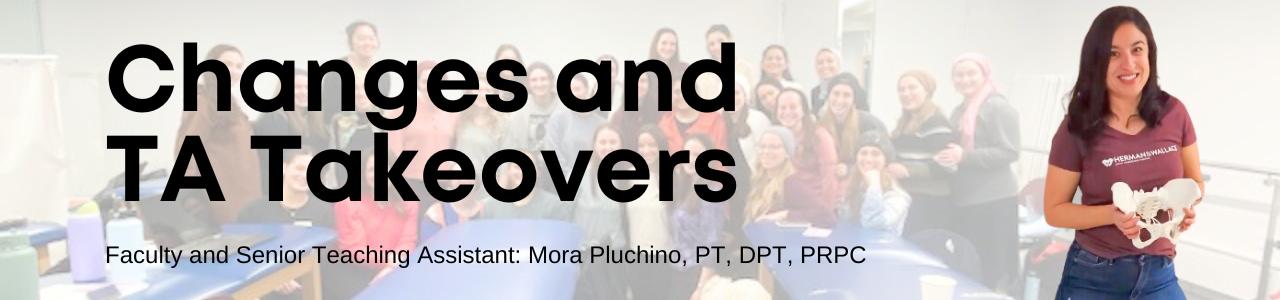
It's been four years since my pelvic floor bestie (fellow Lead TA Carly Gossard) convinced my introverted self to try my hand at teaching assistant. I was hesitant, to say the least. I had taught small lab groups at Stockton University and mentored many of my colleagues in different areas, including pelvic health, but a class of 50 people relying on me to guide them through their first pelvic exam experience…I was terrified. It was the weekend before the world shut down for COVID, so there was this underlying current of “What does the future hold” and “Should we steal the gloves and hand sanitizer?”
Flash forward to the present day. I consider myself so lucky to wear many hats for Herman & Wallace. That first TA experience sparked this love of being with the Level 1 students as they embark on their pelvic health provider journeys. When HW needed to shift to the satellite model, I was one of the first TAs to jump into that role. When Megan Chamberlain (herder of the TAs) asked for help building a Lead TA program, I gave her my list of suggestions (I may consider Leslie Knope from Parks & Rec a role model). One of my favorite things about HW is that they take feedback seriously. At one point, they realized they needed someone to track the patterns of that feedback and guess who got that job….ME!
In 2023, the HW team decided it was time to take that feedback and update the main series to be more…more inclusive, more advanced, more hands-on, more to take home immediately to clinical practice. I was quick to chime in as I had a lot of subjective data from years of review synthesis. We have been organizing, researching, considering, consulting, and revamping the main series, and the first two classes of the series launched in January 2024! As the series rolled out, I decided I needed to TA each class to feel and experience the changes.
I spent January 14th and 15th at Hunter College in NYC with 30+ students during the second run of Pelvic Function Level 1. It went just as amazing as I had hoped as I helped the content team build it. The precourse work laid the foundation for more inclusive providers, reviewed the basics, and set students up to be ready for more advanced and hands-on content in class. There was penile-scrotal anatomy in this course instead of participants having to dive deeper into the pelvic floor series to learn these structures exist. It took about 2 years of my pelvic health career for that to happen in a class for ME! Students came in with more comfort on what they were going to do in person. They also confirmed that the workbook was the thing that hands-on, visual learners dream of. They even noticed we used bigger fonts and included closed captioning.
If you’ve interacted with me at all, through TA experiences, classes, or watching me mic run at HWConnect 2023, you’ll see I’ve come a long way from being the shy wallflower in the back of a PF1. This January, in addition to being one of the teaching assistants for Pelvic Function Level 1 in NYC, I’m also one of the first “TA Takeover” guinea pigs. What does this mean? Probably more videos of me dancing with pelvic organs from iHeartGuts joining the internet! I do hope to show you a little glimpse into what it's like to take a class with HW. In all seriousness though, HW’s goal and mission to bring quality, accessible, and inclusive care to all individuals makes it easy for me to say yes and sign up for any adventure they propose.
By accepting you will be accessing a service provided by a third-party external to https://hermanwallace.com/
All Upcoming Continuing Education Courses
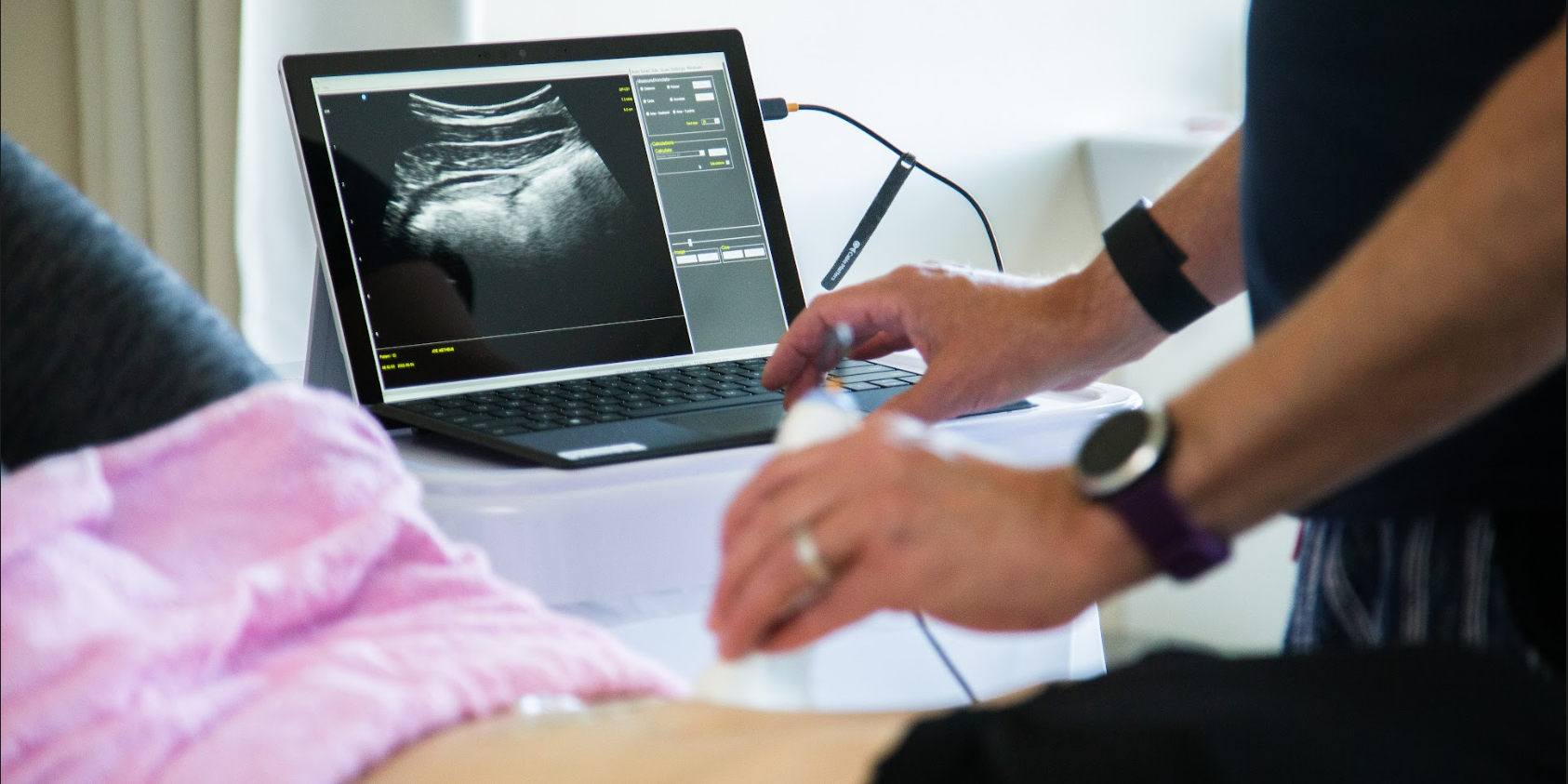
Rehabilitative Ultrasound Imaging: Pelvic Health Satellite Lab Course - Self-Hosted - April 19 - 21 2024 - SOLD OUT
Apr 19 2024 - Apr 21 2024

Rehabilitative Ultrasound Imaging: Pelvic Health Satellite Lab Course - Cedar Knolls NJ - April 19 - 21 2024
Apr 19 2024 - Apr 21 2024

Pelvic Function Level 2C - Satellite - Torrance CA - April 20 - 21 2024 - SOLD OUT
Apr 20 2024 - Apr 21 2024



Pelvic Function Level 2C - Satellite - Springfield MO - April 20 - 21 2024
Apr 20 2024 - Apr 21 2024

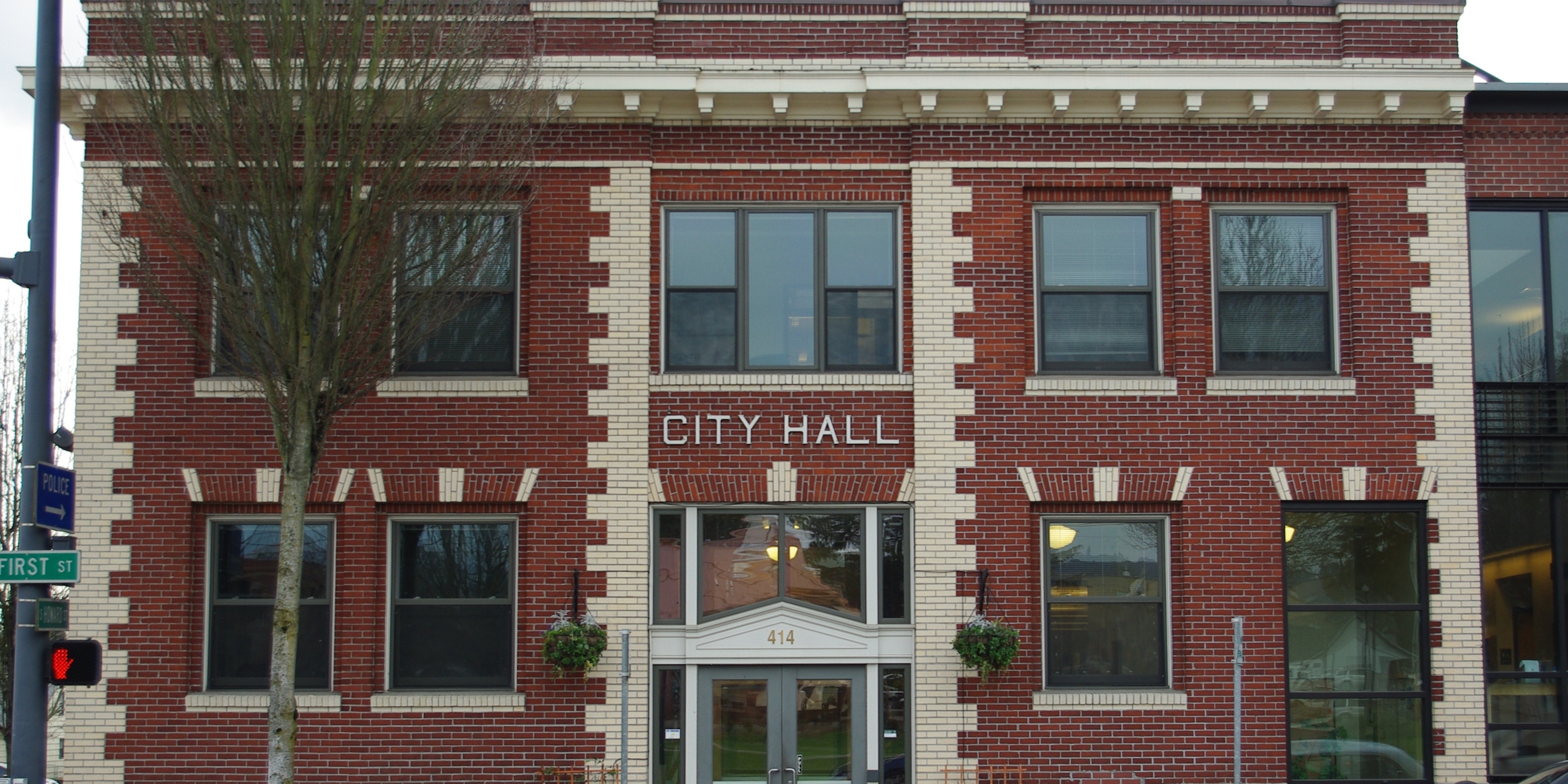
Pelvic Function Level 1 - Satellite - New Bern NC - April 20 - 21 2024 - SOLD OUT
Apr 20 2024 - Apr 21 2024


Pelvic Function Level 1 - Satellite - Arlington VA - April 20 - 21 2024 - SOLD OUT
Apr 20 2024 - Apr 21 2024

Pelvic Function Level 1 - Satellite - Omaha NE - April 20 - 21 2024 - SOLD OUT
Apr 20 2024 - Apr 21 2024
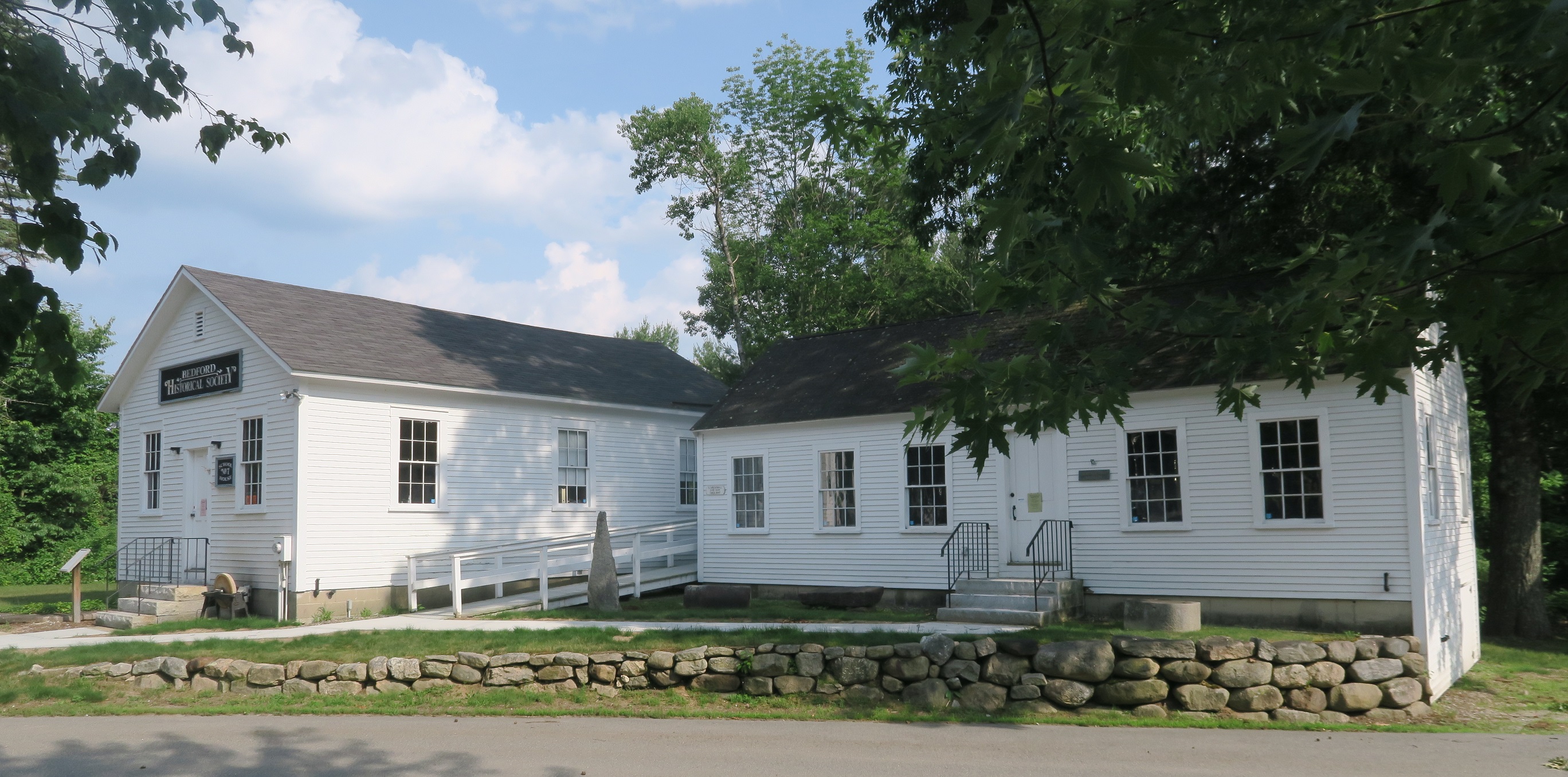
Pelvic Function Level 1 - Satellite - Bedford NH - April 20 - 21 2024 - SOLD OUT
Apr 20 2024 - Apr 21 2024

Pelvic Function Level 1 - Satellite - Leavenworth KS - April 20 - 21 2024 - SOLD OUT
Apr 20 2024 - Apr 21 2024

Pelvic Function Level 1 - Satellite - Boston MA - April 20 - 21 2024 - SOLD OUT
Apr 20 2024 - Apr 21 2024

Pelvic Function Level 2B - Satellite - Seattle WA - April 27 - 28 2024 SOLD OUT
Apr 27 2024 - Apr 28 2024


Pelvic Function Level 2B - Satellite - Cranford NJ - April 27 - 28 2024 - SOLD OUT
Apr 27 2024 - Apr 28 2024

Menopause Transitions and Pelvic Rehab - Remote Course - April 27 - 28 2024
Apr 27 2024 - Apr 28 2024

Nutrition Perspectives for the Pelvic Rehab Therapist - Remote Course - April 27 - 28 2024
Apr 27 2024 - Apr 28 2024

Pelvic Function Level 2B - Satellite - Des Plaines IL - April 27 - 28 2024
Apr 27 2024 - Apr 28 2024



Pelvic Function Level 2B - Satellite - Hilton Head SC - April 27 - 28 2024
Apr 27 2024 - Apr 28 2024








Pelvic Function Level 1 - Satellite - Kankakee IL - May 4 - 5 2024 - SOLD OUT
May 4 2024 - May 5 2024
Pelvic Function Level 1 - Satellite - Wichita KS - May 4 - 5 2024 - SOLD OUT
May 4 2024 - May 5 2024

Pelvic Function Level 1 - Satellite - Ann Arbor MI - May 4 - 5 2024 - SOLD OUT
May 4 2024 - May 5 2024

Pelvic Function Level 2B - Satellite - Fairfax VA - May 11 - 12 2024 SOLD OUT
May 11 2024 - May 12 2024