
Pelvic Rehab Report
The official Herman & Wallace blog. New blogs post every Friday on topics relating to the field of pelvic floor dysfunction.
Sarah Hughes has been practicing in Seattle for almost 15 years and opened her private practice, Arrow Physical Therapy in 2016. Her specialties include dance medicine, the CrossFit and weightlifting athlete, and conditions of the hip and pelvis such as femoroacetabular impingement and labral tears. In 2017, she began coaching other PTs who wanted to start their own practices, and from there, she co-founded FulDraw Consulting with her partner Dr. Kate Blankshain. Together, they offer coaching, consulting, and several 8-week online business courses for Physical Therapy entrepreneurs. Dr. Hughes earned a BS in exercise science from Gonzaga University and a DPT from the University of Washington. Sarah instructs the remote course, Weightlifting and Functional Fitness Athletes.
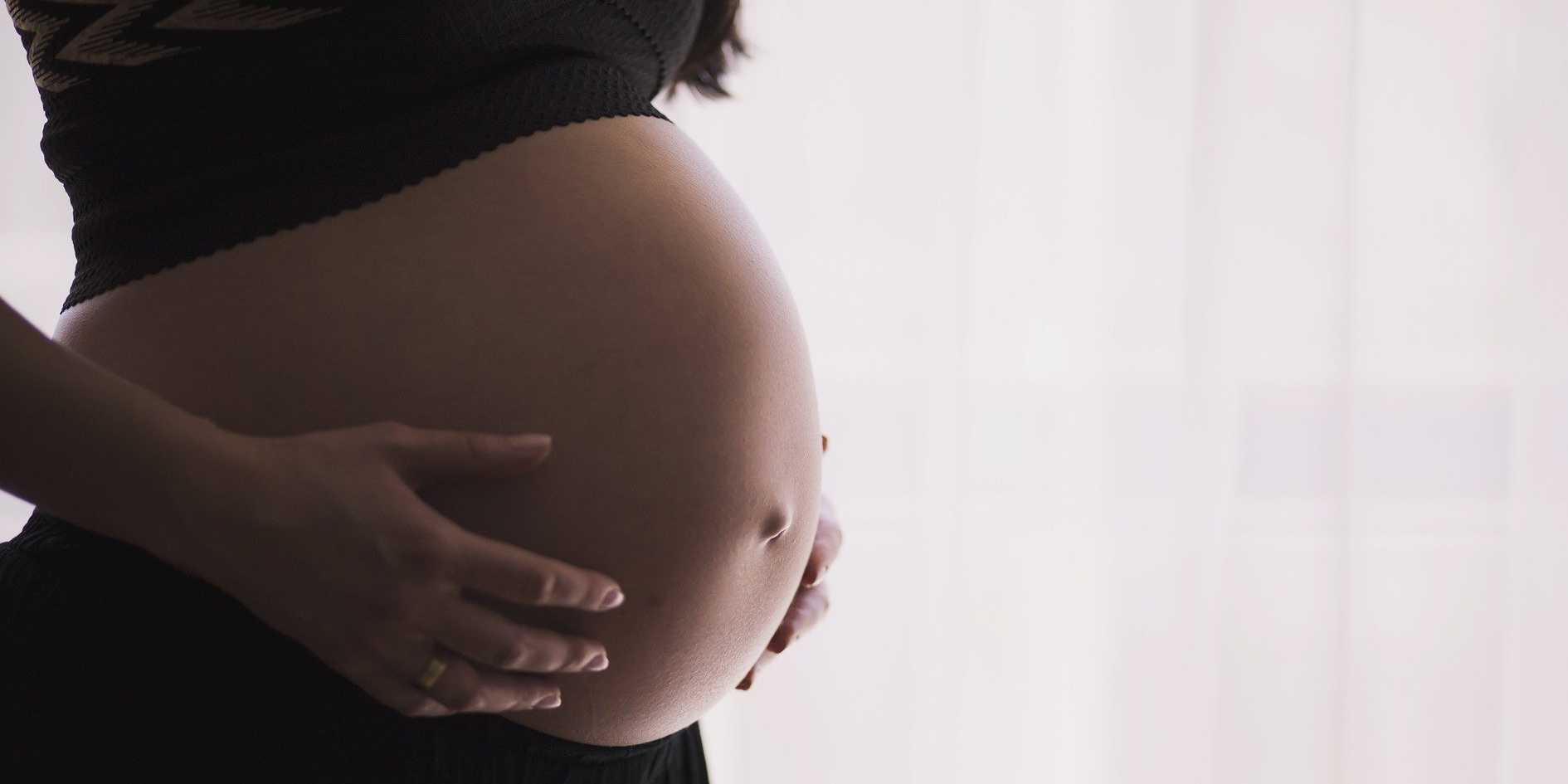
Not sure what to tell your pregnant patients when they want to continue to do CrossFit?? Below is a sneak peek into the Weightlifting and Functional Fitness course with some pregnancy modifications for CrossFit and functional fitness athletes:
MODIFY OLYMPIC LIFTS:
Start at the “hang” positions: Modify the lifts by starting from the hang position when the belly increases in size, as this makes it harder to lower the barbell to the ground.
Finish in the “power” position: Often pregnant people don’t feel comfortable catching in the squat position. You can still work these barbell movements by catching in power positions.
Forego the barbell: Finally, when the size of the pregnant belly starts to change the bar path (ie. you are swinging that weight way out in front to avoid hitting your bump), consider switching to dumbbells or kettlebells for the Olympic lifts. An improper bar path leads to bad habits and can cause injury.
MODIFY OTHER STRENGTHENING LIFTS:
The biggest thing to note here is that there is no reason to be doing max efforts when you are pregnant. You are not going to be setting any records and the cost/benefit isn’t worth it. However, that is not to say you shouldn’t be lifting. Just be sure that you are managing your breathing and not creating too much pressure with these lifts. You need to be exhaling as you exert effort so as to avoid bearing down into the pelvic floor and abdominals.
A few specific notes:
When it comes to moving weight overhead, be sure that you are not over-arching your back and instead keeping the weight manageable so that you can maintain the best form
If squatting feels vulnerable because the bottom of the position feels weak, you can squat to a box to limit the range of motion.
You will still be able to strengthen while protecting your body from an unstable position when deadlifting, really think about dialing weight back in order to avoid using a bearing down “Valsava maneuver
MODIFY PLANKS AND HOLLOW HOLDS:
If you cannot feel your abs engaging, chances are that they aren’t. You can try side planks perhaps or planks on an elevated surface. At some point, you might just cut them out of your program.
MODIFY BURPEES:
If you have somewhat of a belly, please don’t do burpees. Step out to a plank and back up. You can also do an incline push-up using a bench, plates, or boxes. If you are adding a jump over a barbell or other apparatus consider stepping over to avoid a potential fall and to minimize the impact through the pelvis. If burpees lead to incontinence or an “urge sensation”, modify.
Weightlifting and Functional Fitness Athletes - Remote Course
 Price: $295.00 Experience Level: Beginner Contact Hours: 9 hours
Course Dates: October 14
Description: This course will review the history and style of Crossfit exercise and Weightlifting, as well as examine the role that therapists must play for these athletes. Common orthopedic issues presented to the clinic will be examined. However, while things like urinary function, pregnancy and postpartum, hip impingement, LBP/pelvic pain, prolapse, and diastasis will be touched on, this will not be a course in addressing pelvic health concerns in these athletes. These topics will be more fully addressed in the course: Pregnancy and Postpartum Considerations for High Intensity Athletics with Emily McElrath.
Labs will introduce and practice the movements of Crossfit and Weightlifting, discussing the points of performance for each movement. The practitioner will not only learn how to speak the language of the athlete but will experience what the movement feels like so that they may help their client to break it down into its components for a sport-specific rehab progression. The goal of this course is to provide a realistic breakdown of what these athletes are doing on a daily basis and to help remove the stigma that this type of exercise is bad for our patients. It will be important to examine the holes in training for these athletes as well as where we are lacking as therapists in our ability to help these individuals. We will also discuss mindset and culture issues such as the use of exercise gear (i.e. straps or a weightlifting belt), body image and the concept of "lifestyle fitness". Finally, we will discuss marketing our practices to these patients.

Allison Ariail, PT, DPT, CLT-LAANA, BCB-PMD is one of the creators of the Herman & Wallace Oncology of the Pelvic Floor Course Series. Allison Ariail is a physical therapist who started working in oncology in 2007 when she became certified as a lymphatic therapist. She worked with breast cancer, lymphedema patients, head and neck cancer patients, and the overall oncology team to work with the whole patient to help them get better. When writing these courses, Allison was part of a knowledgeable team that included Amy Sides and Nicole Dugan among others.
September is Ovarian Cancer Awareness Month. According to the American Cancer Society, in 2023 about 19,710 individuals with ovaries will receive a new diagnosis of ovarian cancer. About 13,270 individuals will lose their battle with the disease (1). Ovarian cancer is the deadliest of all gynecological cancers. However, the incidence rates have decreased by 1 to 2% each year from 1990 to the mid 2010s; and by 3% per year from 2015 to 2019 (1).
This is partially due to increased usage of oral contraceptives in the last half century, and the decreased usage of hormonal therapy in menopausal individuals (1). Researchers are continually looking to find ways to help fight ovarian cancer. From the use of new targeted therapies, to hormonal therapies, to surgeries; doctors and researchers are doing what
they can to try to prolong the lives of individuals who have this diagnosis.
Recently, it has been identified that the most common type of ovarian cancer starts in the cells of the fallopian tubes, not the ovary (2). It is now believed that fallopian tube lesions may be a precursor to high-grade serous ovarian
carcinomas (3). Additionally, there usually is a longer time between the development of a mutation to the development of lesions in the fallopian tubes, than from when it develops in the ovaries and metastasizes beyond.
The average time between a mutation and the development of a fallopian tube lesion is decades. The time between the development of fallopian tube lesions and ovarian cancer is 6.5 years. However, the average time between the development of ovarian cancer and metastasis is 2 years (3,4). This is important to understand. If lesions and mutations can be identified while they are still in the fallopian tube, this would allow diagnosis at an earlier stage, and could save lives. We now see that some surgeries such as tubal ligations, and hysterectomy reduce the risk for the development of ovarian cancer.
It is not recommended to have these surgeries to prevent cancer, but it is a does decrease the risk in some patients if they are undergoing one of these surgeries for a medical reason (5). We also are seeing emerging research on the development for biomarkers for fallopian tube mutations. It is exciting to see the development of new procedures and the emerging research to help identify screening tools to help treat this type of cancer.
To learn more about gynecological cancers and how we can use our skills to help these patients you can take Oncology and the Pelvic Floor Level 2B. This course is part of a series that covers cancers that effect the pelvic region. In Oncology and the Pelvic Floor Level 1 we cover general oncology, cancer treatment, short-term side effects, long-term side effects, and learn rehab techniques to help these patients. In Oncology and the Pelvic Floor Level 2A and Oncology and the Pelvic Floor Level 2B we go more in-depth with pelvic-related cancers. In Level 2A we cover topics related to testicular cancer, prostate cancer, penile cancer, and colorectal cancers while in Level 2B we cover topics related to gynecological cancers and bladder cancer. In all courses, you learn hands-on treatment techniques to help individuals recover function, and feel better.
Please join us by taking this series to be able to help these patients!
Resources:
1. Erickson B, Conner M, Danden C. The role of fallopian tube in the origin of ovarian cancer. AJOG. 2013; 209(5): 409-414.
2. Cancer.gov. (n.d.). Ovarian, fallopian tube, and primary peritoneal cancer.
https://www.cancer.gov/types/
3. Shih-lM, Wang Y, Wang TL. The origin of ovarian cancer species and precancerous landscape. Amer. J of Path. 2021; 191 (1): 26-39.
4. Begun C. (2022, March 24). Mutation in fallopian tube lesions may help catch ovarian cancer years earlier. Penn Medicine News. https://www.pennmedicine.org/
releases/2017/october/
5. American Cancer Society. (2018, April 11). Can ovarian cancer be prevented? https://www.cancer.org/cancer/

Oncology of the Pelvic Floor Level 2B - partner needed for registration. This course was designed to build on the information that was presented in Oncology of the Pelvic Floor Level 1.
Price: $600.00 Experience Level: Intermediate Contact Hours: 19.25 hours
Course Dates: December 9-10
Description: Information will be provided focusing on gynecological and bladder cancers including risk factors, diagnosis, and prognosis. The participant will also understand the sequelae of the medical treatment of cancer and how this can impact a patient’s body and quality of life. Other topics include rehabilitation and nutritional aspects focusing on these specific cancers, as well as home program options that patients can implement as an adjunct to therapy.
Carole High Gross, PT, MS, DPT, PRPC earned her Doctorate of Physical Therapy from Arcadia University in 2015, her Master of Science in Physical Therapy in 1992 from Thomas Jefferson University, and her Pelvic Rehabilitation Practitioner Certification in 2021. Carole works with Herman & Wallace as a Lead Teaching Assistant as well as an instructor for her own course Eating Disorders and Pelvic Health Rehabilitation. Carole serves on the Pelvic Workgroup of the Ehlers-Danlos International Consortium and has a special interest in working with individuals living with eating disorders, and hypermobility throughout the pregnancy and postpartum journey. In addition, Carole enjoys working with all genders with pelvic, bowel, bladder, and abdominal issues. You can join Carole in her next scheduled Eating Disorders and Pelvic Rehabilitation on October 28-29 2023.
The effects of weight stigma on individuals with and without clinical eating disorders are profound and detrimental. Weight stigma refers to the negative assumptions, attitudes, and beliefs that are directed towards a person based on their body weight, shape, or size. People with higher weight often experience stigma from health professionals, educators, peers, employers, the media, family, and friends.
Weight stigmatization may unintentionally occur with people who are seeking rehabilitation or medical services due to health professionals' implicit and explicit bias towards people with higher body weights. This negatively impacts the quality of healthcare and exacerbates the challenges of recovery for those struggling with eating disorders. In addition, the result of weight bias from health care providers impacts and reinforces increased internalization, negative body image, poor self-esteem, self-criticism, increased unhealthy eating behaviors, poorer health outcomes, and disruption of mental wellness. Fear of judgment or discrimination from a health care provider based on weight biases can lead to delayed or avoidance of health care, increased behaviors or symptoms, and increased risks of medical complications from eating disorders.
Eating Disorders are complex pervasive mental health conditions that affect people of all genders, cultures, ages, shapes, sizes, and weights. Eating disorders do not discriminate - and have serious physical, emotional, psychological, and physiological consequences. Unfortunately, eating disorders can, and are, life-threatening and can lead to multisystem medical complications of all body systems including the cardiovascular, gastrointestinal, integumentary, endocrine, musculoskeletal, urinary, and genital systems. In addition, individuals with eating disorders are at risk of low bone density, dental issues, incased body weight, and nutritional deficiencies. Often mental health dysfunctions occur with eating disorders including depression, mood disorders, anxiety, obsessive-compulsive disorder, self-harming behaviors, substance use disorder, and/or alcohol use disorder.
Pelvic health care providers may observe signs and symptoms of eating disorders such as upper or lower gastrointestinal symptoms and distress with constipation, esophageal dysfunction, reflux, delayed gastric emptying, abdominal pain, abdominal bloating, gastric dilation, or even superior mesenteric artery syndrome. Other reported symptoms may include diarrhea due to chronic laxative use, pelvic organ prolapse, urinary dysfunction, or pelvic pain.
Eating disorder behaviors exist in a cyclical nature and often cause gastrointestinal distress both during the state of malnutrition and with nutritional rehabilitation. Therefore, consequences of disordered behaviors may lead to further engagement in behaviors such as purging, binging, overeating, or food restriction. This increase in disordered behaviors may worsen and prolong the symptoms experienced. With increased awareness of the connections between symptoms and behaviors, healthcare providers can adapt the way they interact with these individuals.
The role of the health care provider is to provide support, advocacy, and guidance to all persons regardless of a person’s weight or size rather than providing judgment or criticism. The messages in society, health care systems, health profession schooling, social media, and news/entertainment media often portray “health” and “healthy” unrealistically. Health looks different for every person individually. Verbal, visual, or implied messaging of the societal and healthcare ideals of “health”, “thinness”, and “weight” contributes to negative self-worth and stigmatization of those living and suffering from diagnosed or undiagnosed eating disorders. Larger-bodied individuals often are stereotyped negatively implying moral or effort failures leading to their weight status.
Even unintentional weight stigma can lead to verbal or nonverbal negative messaging, interactions, comments, or suggestions. These messages can trigger harmful behaviors, lead to decreased trust, and promote hesitation to disclose or trust a provider with important information about their health or wellness. Unfortunately, there are biases that live inherently in all people - including healthcare professionals and individuals with eating disorders. Health professionals can make intentional efforts to recognize and challenge both conscious and unconscious weight biases with thoughts, interactions, and behaviors.
The saying: “You cannot judge a book by its cover” is relevant to all people. A person may be living with an eating disorder or engaging in harmful disordered eating behaviors despite how a body “looks” or appears. People living with a lower weight body, larger body, or at a perceived “healthy “or “normal” weight body may be struggling biologically, psychologically, and physically leading to life-altering and life-threatening medical complications and consequences. Stress of stigmatization resulting from direct experience or suspected or anticipated stigma can elicit physiological, psychological, and behavioral responses, which harm health over time. Studies have also shown that weight stigma can negatively impact cortisol levels in individuals who live in larger bodies.
The foundation of healthcare has always been to “do no harm”, however, often without malice or intent, this occurs every day. Often medical providers unintentionally reward and glorify restrictive behavior with individuals who may appear to be at a perceived “healthy” weight or those who are living in lower-weight bodies. Comments may be made with only the best of intentions, however, the interpretation and internalization of these comments could be extremely triggering for someone with an eating disorder. A casual expression of, “You look great!” or “Wow, did you lose some weight?” or “You look so healthy” could have incredibly negative effects on someone who has, or had, an active eating disorder.
Likewise, comments assigning moral value to food or body image/size can be equally destructive. This may look like a comment such as: “I was good today and didn’t have a cupcake” or “I was so bad today” (referring to eating a large lunch) or even “Don’t eat too much!” (when wishing someone a Happy Thanksgiving). For those who live in larger bodies, comments such as, “Well, maybe your knees wouldn’t hurt so much if you lost a little bit of weight”, or “We will have to pick a different exercise bike that you fit on comfortably” or “Let me go get the bigger blood pressure cuff” could be extremely traumatic and have a negative effect on their wellbeing.
Addressing weight stigma with rehabilitation is a multifaceted approach, including strategies to enhance a provider’s knowledge and awareness about eating disorders warning signs, symptoms, and manifestations. Education should also include strategies to evoke empathy and improve non-stigmatizing communication and language strategies. It is necessary for healthcare providers, and students, to learn strategies to encourage weight inclusivity and focus on an individual’s health and wellness, rather than focus on weight values in isolation. Assumptions and comments directed at a person’s weight or appearance should be avoided. Promotion of body positivity and self-acceptance will assist an individual in developing a healthier relationship with their bodies and can encourage someone to seek and receive appropriate treatment and support from trained mental wellness, medical, rehabilitation, and nutritional professionals.
The weight biases of health care professionals, including rehabilitation students and clinicians, present detrimental challenges to individuals living with eating disorders. These underlying biases contribute to negative effects including emotional distress, treatment barriers, and/or disruption of the therapeutic relationship between a healthcare professional and the patient. Healthcare professionals should provide a supportive, compassionate, and encouraging environment to facilitate improved treatment outcomes and recovery for individuals with eating disorders. Addressing the weight biases within the healthcare provider will assist in promoting a future when a person is treated with deserved respect and dignity regardless of their body weight.
The Association for Size Diversity and Health (ASDAH) is a nonprofit organization that is committed to the principle of Health at Every Size (HAES). This organization provides educational resources, referral opportunities, and networking of advocates and professionals who celebrate bodies of all shapes and sizes, and who envision a future in which people are not discriminated against based on body weight. The ASDAH also pursues opportunities for oppressed communities to receive equal access to resources that are supportive of health and well-being. Foundational principles of Health At Every Size (HAES) support that health exists on a continuum and varies for each person with time and circumstances. HAES principles also validate that health status is not a moral decision or obligation and should not be used to judge, oppress, or assign value to an individual.
The intention of this message is to open conversation, facilitate self-reflection, and encourage opportunities to consider subtle adaptations in our communications to improve our support to every person, regardless of body size or weight. As rehabilitation professionals, we have dedicated our lives to working with our patients to improve their quality of life and to assist them in achieving their goals. We work hard to help them to not just survive this life, but to thrive in this life. Awareness of the weight stigma within the healthcare system will help all of us achieve our goals.
Eating Disorders and Pelvic Health Rehabilitation: The Role of a Rehab Professional is a remote course, with pre-course teachable content, offered on October 28-29, 2023 instructed by H&W faculty member Carole High Gross PT, DPT, PRPC. This course will further explore different eating disorders, medical complications, signs/symptoms, and treatment strategies for individuals living with eating disorders. A full description and schedule of the course are available on the Herman & Wallace website. There is a lecture dedicated to weight stigma included in the pre-course Teachable content provided by Dr. Krista Rompolski, a fierce and dedicated advocate for reducing weight stigma within rehabilitation and health care.
References:
About Health At Every Size (HAES). Association for Size Diversity and Health. n.p. Accessed September 1, 2023. https://asdah.org/health-at-every-size-haes-approach/
Gaudiani JL. Sick Enough: A Guide to the Medical Complications of Eating Disorders. Routledge; 2019.
McEntee ML, Philip SR, Phelan SM. Dismantling weight stigma in eating disorder treatment: Next steps for the field. Front Psychiatry. 2023;14:1157594. Published 2023 Apr 11. doi:10.3389/fpsyt.2023.1157594
Puhl RM, Neumark-Sztainer D, Austin SB, Luedicke J, King KM. Setting policy priorities to address eating disorders and weight stigma: views from the field of eating disorders and the US general public. BMC Public Health. 2014;14:524. Published 2014 May 29. doi:10.1186/1471-2458-14-524
Puhl RM, Heuer CA. Obesity stigma: important considerations for public health. Am J Public Health. 2010;100(6):1019-1028. doi:10.2105/AJPH.2009.159491
Talumaa B, Brown A, Batterham RL, Kalea AZ. Effective strategies in ending weight stigma in healthcare. Obes Rev. 2022;23(10):e13494. doi:10.1111/obr.13494
Weight Stigma. National Eating Disorders Collaboration. n.p. Accessed September 1, 2023. https://nedc.com.au/eating-disorders/eating-disorders-explained/weight-stigma/
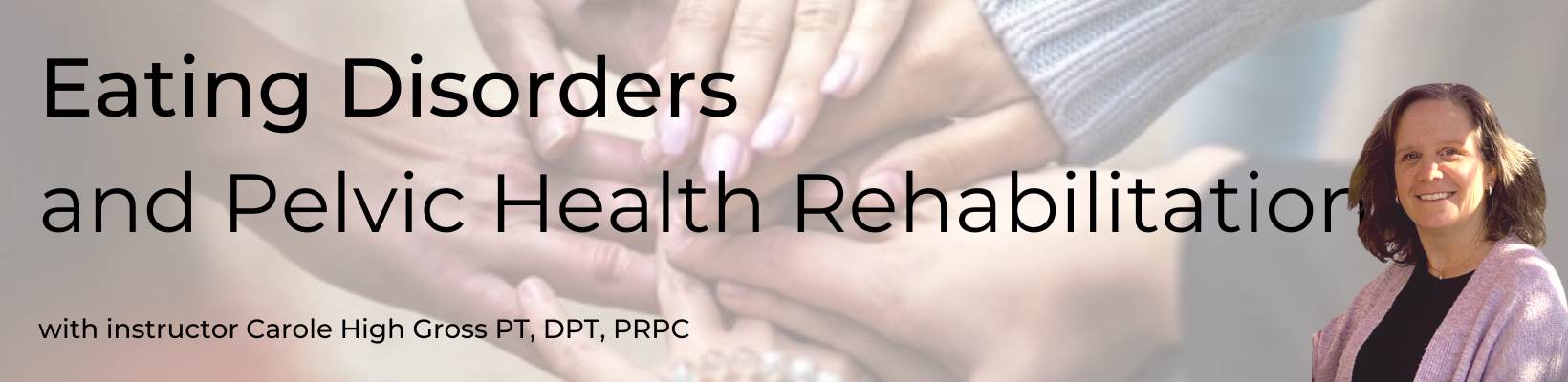
Eating Disorders and Pelvic Health Rehabilitation
Price: $495.00 Experience Level: Beginner Contact Hours: 17 hours
Course Date: October 28-29 2023, April 6-7 2024
Description: This course explores types of eating disorders including anorexia nervosa, bulimia nervosa, binge eating disorder, ARFID (Avoidant Restrictive Feeding Intake Disorder), and OSFED (Otherwise Specified Feeding and Eating Disorder). We will also discuss conditions that do not yet have formal diagnostic criteria such as orthorexia and diabulimia and we will touch on Pica and Rumination Disorders.
Interviews with eating disorder professionals from throughout the country are included in the pre-course lecture to deepen the understanding of the multidimensional effects of eating disorders and the multidisciplinary team necessary to provide support for these individuals.
Rachna Mehta, PT, DPT, CIMT, OCS, PRPC, RTY 200 is the author and instructor of the Acupressure for Optimal Pelvic Health course. Rachna brings a wealth of experience to her physical therapy practice and has a personal interest in various eastern holistic healing traditions.
According to the National Center for Complementary and Integrative Health (NCCIH), a branch of NIH, pain is the most common reason for seeking medical care (Pain: Considering Complementary Approaches published by National Center for Complementary and Integrative Health, 2019). There is a rising clinical interest in Integrative medicine for non-pharmacologic treatment options as our healthcare system faces a crisis of pills and opioid use (Monson, 2019).
A few days ago, I saw an elderly patient who walked in with 8/10 shoulder pain. The patient had fallen in his home a few weeks ago and had suffered a shoulder contusion. An x-ray showed no fractures, yet his shoulder pain was severe and unrelenting. He was on pain medications but still could not sleep at night.
Through further questioning and testing, I discovered that most of his pain was not in the joint itself but in the general area of the deltoid muscles and that he also had developed symptoms of secondary proximal biceps tendinitis. The patient was very anxious and upset due to the high pain and lack of sleep at night.
I decided to use an Integrative approach to address the patient's shoulder pain and anxiety. Thermotherapy is used in rehabilitation to reduce pain and stiffness and to increase mobility. It helps to relax muscles and increases circulation to the affected area, thus reducing pain and stiffness (Bin, 2022). I combined thermotherapy using an application of a hot pack on the patient’s shoulder with mindful breathing and gentle pressure on two potent Acupressure points CV 17 (center of the chest) and Yintang (EX-HN 3), which is in the center of the forehead between the eyes.
Within a few minutes, the patient reported feeling more relaxed, his pain levels improved to 4/10, and we were able to apply several interventions to improve his shoulder joint mobility. As part of his home program, I gave him instructions on gentle self-stretching and range of motion exercises within his pain threshold, mindful breathing, and an Acupressure self-care program with specific points listed for daily practice.
Anxiety is a very common psychiatric symptom and can also occur in many physical conditions. Due to the limitations of conventional pharmacotherapy, the discovery of nonpharmacologic treatments that alleviate anxiety effectively is clinically important. Yintang (EX-HN 3), an acupoint located between the eyebrows, is known to have a mentally stabilizing effect in Traditional Chinese Medicine (Kwon, 2017).
Acupressure has been studied extensively as a method for pain management. A meta-analysis of 15 studies showed that Acupressure is effective for relieving a variety of pains including dysmenorrhea, labor pain, low back pain, chronic headache, and other traumatic pain (Chen, 2012) and it is an effective Complementary and Alternative Medicine (CAM) therapy.
Acupressure derives its roots from Acupuncture which is part of Traditional Chinese Medicine (TCM). It involves applying pressure to specific Acupuncture points that lie along meridian lines to improve the flow of Qi in the body. This Qi can also be defined in our Western scientific perspective as the bio-electric energy that flows through a vast network of interstitial connective tissue connecting the peripheral nervous system to the central viscera (Langevin, 2002).
As the evidence continues to grow, both medical providers and patients are seeking effective non-pharmacological approaches for symptom relief. Clinically Acupressure shows promising results and adds value to an Integrative approach to Rehabilitation wherein we can combine holistic mindful-based interventions into our best evidence-based practices.
References- Pain: Considering Complementary Approaches published by National Center for Complementary and Integrative Health, 2019
- Monson E, Arney D, Benham B, et al. Beyond Pills: Acupressure Impact on Self-Rated Pain and Anxiety Scores. J Altern Complement Med. 2019;25(5):517-521
- Bin C, Cimin S, Li N, Wang L, Chen D. Thermotherapy for shoulder pain: A protocol for systematic review. Medicine (Baltimore). 2022;101(3):e28446. doi:10.1097/MD.0000000000028446
- Kwon CY, Lee B. Acupuncture or Acupressure on Yintang (EX-HN 3) for Anxiety: A Preliminary Review. Med Acupunct. 2018;30(2):73-79. doi:10.1089/acu.2017.1268
- Chen YW, Wang HH. The effectiveness of acupressure on relieving pain: a systematic review. Pain Manag Nurs. 2014;15(2):539-550. doi:10.1016/j.pmn.2012.12.005
- Langevin HM, Yandow JA. Relationship of acupuncture points and meridians to connective tissue planes. Anat Rec. 2002;269(6):257-265. doi:10.1002/ar.10185
- Kang H, An SC, Kim B, et al. Reduced Pain by Mind-Body Intervention Correlates with Improvement of Shoulder Function in People with Shoulder Pain: A Randomized Controlled Trial. Evid Based Complement Alternat Med. 2022;2022:6149052. Published 2022 Mar 24. doi:10.1155/2022/6149052
Acupressure Patient Testimonial
On March 5, 2023 I began experiencing searing pelvic pain. I went to the emergency room twice because the pain was so unbearable. I had an MRI, CT Scan, numerous ultrasounds, bloodwork, cultures and pelvic exams. All of the results were negative and the pain was spreading to my entire vaginal area. I saw a pain medicine doctor who thought my diagnosis could be pudendal neuralgia. He referred me back to my GYN. My gynecologist was stumped and recommended pelvic physical therapy with Rachna.
On April 20, 2023 I saw Rachna for the first time. At that point, my pain ranged between an 8/10 to a 10/10. Once the pain started, it seemed to spread and just become worse and worse throughout the day. The more pain I was in, the more anxious I became. I was caught in an endless loop of searing, burning pain to the left vaginal wall and perineum. During that first visit Rachna showed me a few acupressure points that I could use when the pain became overwhelming. I started using the third eye acupressure point and I immediately felt what I can only describe as energy and a sense of calm. The pain was still there, but I was able to breathe through it and focus my mind on the pressure point rather than just on the pain.
Over the course of the next month, I came to rely on those pressure points as an important tool to control (and accept) the pain. Eventually I was able to stop the pain from spreading. Instead of letting anxiety flame the pain, I could focus on the acupressure point and the feeling of energy that came with it instead of the pain. Once I was able to redirect my focus from pain to energy, my anxiety (which worsens my diagnosis) abated. I also found myself using acupressure to deal with stressful work/family situations or when I felt anxiety creeping up. Acupressure has become a coping mechanism that I lean on frequently.
My pain levels have been decreasing week to week. After one month of PT and acupressure, my pain is down to a soreness or 4/10 level. While I am still seeking treatment for pudendal nerve irritation, I'm confident that I can rely on acupressure to get me through.
Acupressure for Optimal Pelvic Health

Price: $450.00 Experience Level: Beginner Contact Hours: 12.50 hours
Description: This two-day course offers an evidence-based perspective on the application of Acupressure for evaluating and treating a host of pelvic health conditions including bowel, bladder and pelvic pain issues. The course explores a brief history of Acupressure, its roots in Acupuncture and Traditional Chinese Medicine (TCM) and presents current evidence that supports the use of complementary and alternative medicine as an adjunct to western medicine. TCM concepts of Meridian theory and energy channels are presented with scientific evidence of Acupoints transmitting energy through interstitial connective tissue with potentially powerful integrative applications through multiple systems.
Lectures evidence on use of potent Acupressure points and combinations of points for treating a variety of pelvic health conditions including chronic pelvic pain, dysmenorrhea, constipation, digestive disturbances and urinary dysfunctions to name a few. Key acupoints for decreasing anxiety, stress and bringing the body back to a state of physiological balance are integrated throughout the course.
Participants will be instructed through live lecture and demonstrations on the anatomic location and mapping of acupressure points along five major meridians including the spleen, stomach, kidney, urinary bladder and gall bladder meridians. Key associated points in the pericardium, large intestine, small intestine, lung and liver meridians as well as the governing and conception vessels will also be introduced. The course offers a brief introduction to Yin yoga and explores Yin poses within each meridian to channelize energy through neurodynamic pathways to promote healing across multiple systems. Participants will learn how to create home programs and exercise sequences and will be able to integrate acupressure and Yin yoga into their orthopedic and pelvic health interventions.
Course Date: October 14-15, 2023
The PRPC Is Getting A Facelift!
In order to ensure that our certification exam, the PRPC, stays current and reflective of the knowledge and skills of the minimally competent pelvic rehab practitioner working in the field today, it is best practice to evaluate the test blueprint every 7-10 years. As PRPC nears its 10th birthday, we have been working for the last year with a team of Subject Matter Experts, made up of members of our Series Faculty, to go through the current exam and analyze the items (questions and answers) to ensure that they are still relevant.
Some of the updates have included changing terminology that has become dated and updating case studies to be less binary and more inclusive of patients across the gender spectrum. This includes doing a deep dive look at the items and deciding which ones to throw out, rework, or keep. The result of this process will be an exam that does not change significantly - items will still cover knowledge and skills for treating pelvic rehab patients throughout the life cycle - but that keeps up with the newest research in that field.
The Subject Matter Experts, which include our Senior Faculty (those who have been teaching for the Institute for over a decade) live and work all over the country, meaning our team members come from diverse backgrounds and regional patient populations (also important for an exam that will be administered worldwide).
By going through this process, we ensure that the PRPC remains a valid and legally defensible distinction of competence in the field.
Questions About PRPC Eligibility & Benefits

@sir_duke_samoyed I be good boy helping my mom study for her PRPC 📚🎓
Use #PRPC to share photos of your PRPC Certificate and study sessions on social media!
Do I need to take any particular courses to be eligible for this certification?
There is no required coursework one must complete in order to sit for the PRPC exam. Those therapists who possess the required clinical experience who apply for and successfully pass the exam will be awarded PRPC. Most therapists complete pelvic rehab coursework and then use those skills in the clinic for years prior to pursuing certification.
It is recommended that therapists considering applying for the PRPC review the List of Knowledge and Skill Statements covered on the exam and assess their comfort level with those topics. Advanced coursework may be useful in filling any knowledge gaps that exist.
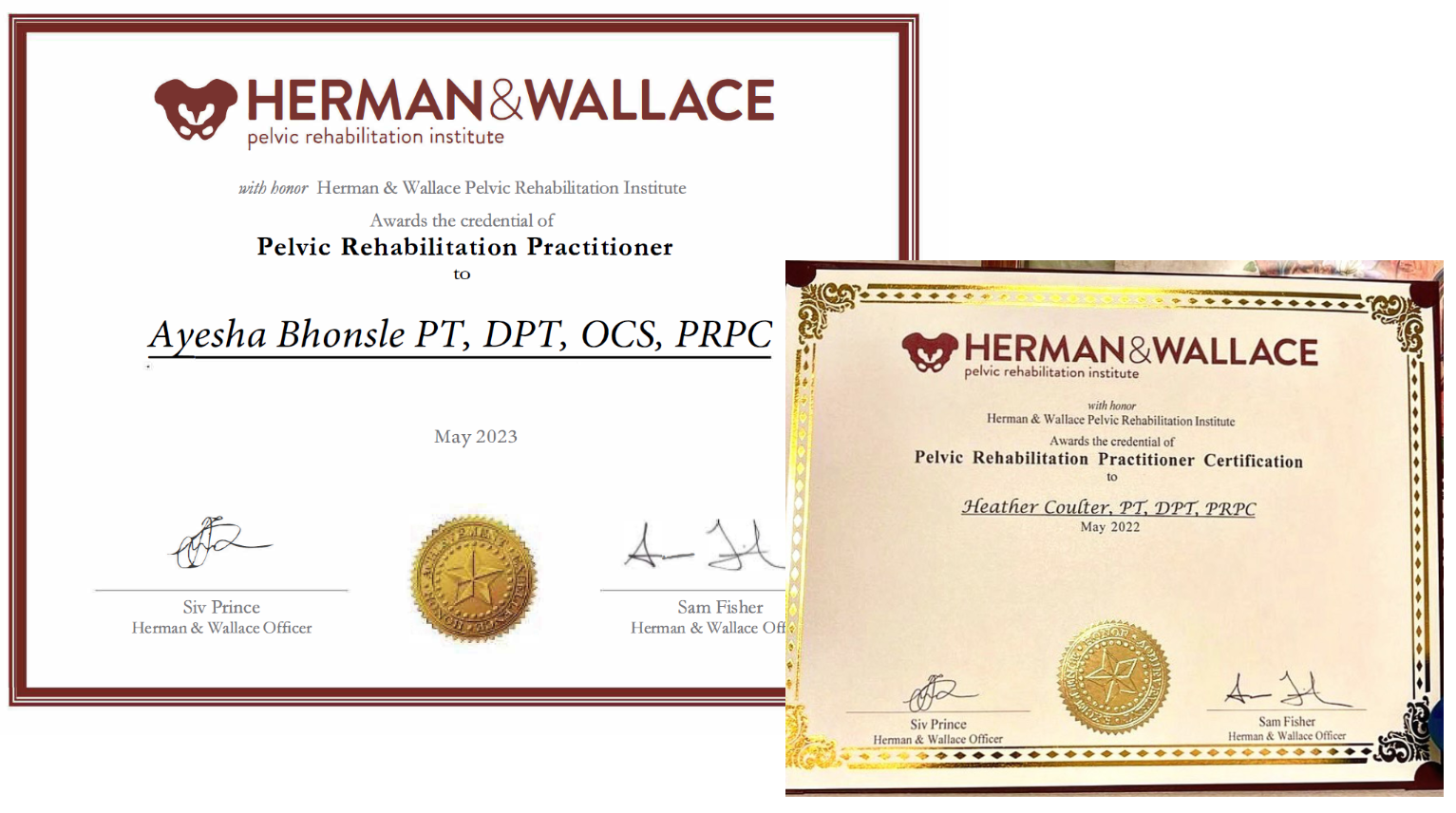
Thank you to Ayesha Bhonsle and Heather Coulter for sharing their PRPC certificates with H&W.
What are the eligibility requirements to apply for PRPC?
To be eligible to sit for the exam, all applicants must have completed 2000 hours of direct pelvic patient care in the past 8 years, 500 of which must have been completed in the last 2 years. Patient care hours can only be earned by a licensed clinician, and hours spent with patients prior to licensure do not satisfy this requirement.
Definition of Pelvic Patient Care
For purposes of this application, pelvic patient care includes hours spent on direct patient care related to conditions of pelvic pain, pelvic girdle dysfunction, conditions of bowel, bladder, and sexual dysfunction that relate, in whole or in part, to the health and function of pelvic structures and the pelvic floor. Other conditions that qualify as direct pelvic patient care may include dysfunctions of the abdomen, thoracolumbar spine, or the lumbo-pelvic-hip complex. These hours can include care for pediatric, adolescent, adult, and aged patients of any gender.
Definition of Direct Patient Care
There is no comprehensive list of activities that encompass direct patient care. A general guideline is that direct patient care includes any time spent by a clinician that has a direct influence on the care of a specific individual patient. This time may be paid, or provided at no cost. While time spent on the examination, evaluation, diagnosis, prognosis, or intervention of an individual absolutely qualifies as direct patient care, there are other activities that applicants may apply toward this requirement. Applicants who have a question about whether or not a certain activity qualifies as direct patient care should contact H&W for a clarification.
Approved Professions
All clinicians holding a license as a: Physical Therapist (PT), Physical Therapist Assistant (PTA), Physician (MD), Registered Nurse (RN), Occupational Therapist (OT), Certified Occupational Therapy Assistant (COTA), Doctor of Osteopathy (DO), Advanced Registered Nurse Practitioner (ARNP), or Physician’s Assistant (PA-C) are automatically approved to apply for PRPC. If an individual wishes to sit for the exam who does not hold one of the above licenses, they may request permission to apply to sit for the exam, and will be evaluated on a case-by-case basis.
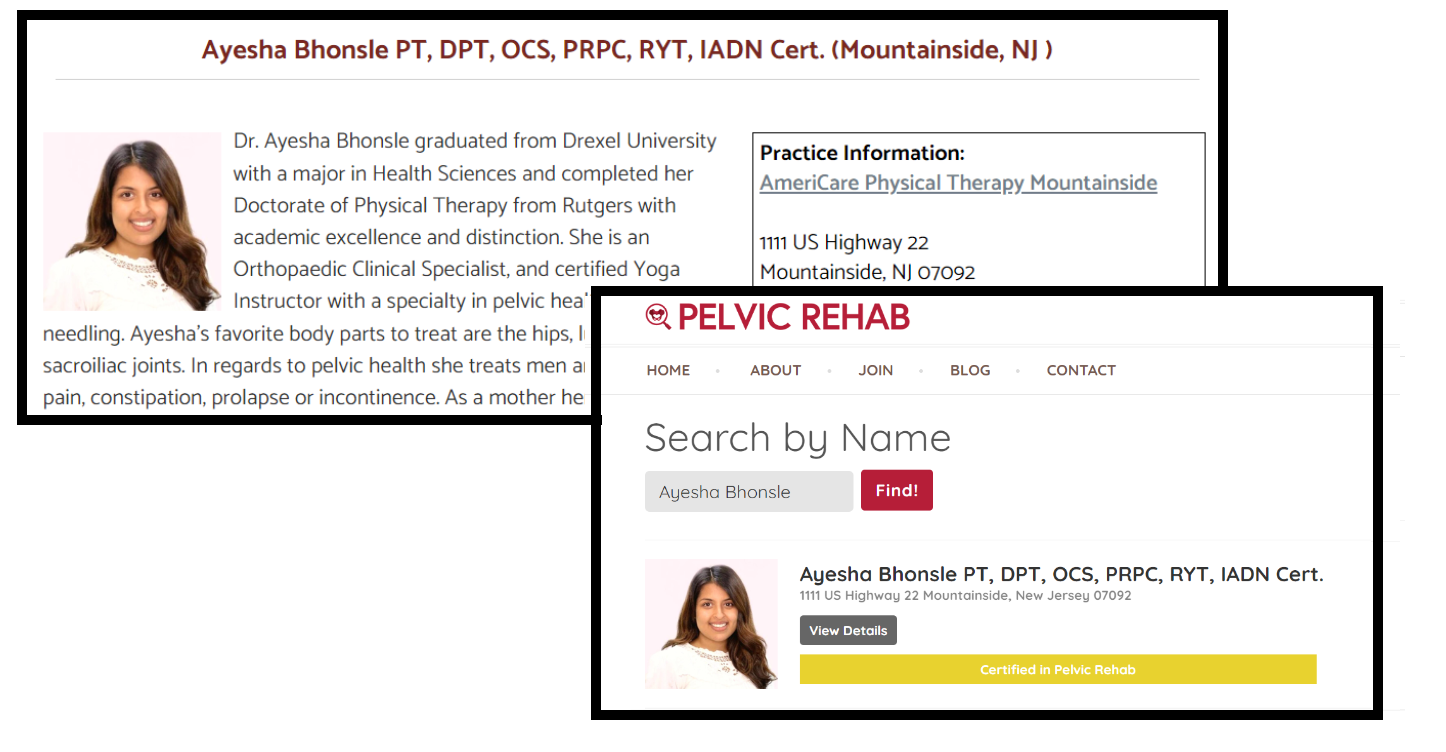
Thank you to Ayesha Bhonsle for sharing her practitioner listings with H&W for this article.
What are the benefits of becoming a PRPC certified practitioner?
Clinicians who earn the PRPC certification may amend their professional title and all accompanying documentation (CV, business cards, resume) with the letters "PRPC" to distinguish themselves as an expert in the field of pelvic rehabilitation.
The following benefits are also available to you as a certified pelvic rehabilitation practitioner:
Lifetime Course Discount!
H&W extends a lifetime $50 discount on all of our live courses. This discount code can only be applied to registrations for the certified practitioner and can be applied toward any course you attend while you are actively PRPC certified.
Website Feature
H&W has a page dedicated to highlighting Certified Pelvic Rehabilitation Practitioners!
Feature on PelvicRehab.com!
As a PRPC-certified practitioner, your listing shows at the top of the search list and stands out on this map with a gold color pin.
Click Here to Learn More About Becoming Certified!
Is your certification expiring soon?
Did you know that the PRPC Certification expires every 10 years?
That means that if you became certified in 2014 you will need to retake the PRPC exam to keep your credentials! Since the pricing will be changing in 2024 - this is the perfect time to reapply for the exam.
As a PRPC Certified Practitioner wanting to renew your credentials you will need to:
- 1. Submit an Application, Direct Patient Hours Worksheet, and copy of your active Practitioners License
- *There is no fee for this
- 2. Pay the Exam Fee of $950
- *The PRPC discount can be applied toward this so the discounted fee would be $900
- 3. Sit and Pass the Exam!
Apply to Renew Your PRPC Certification
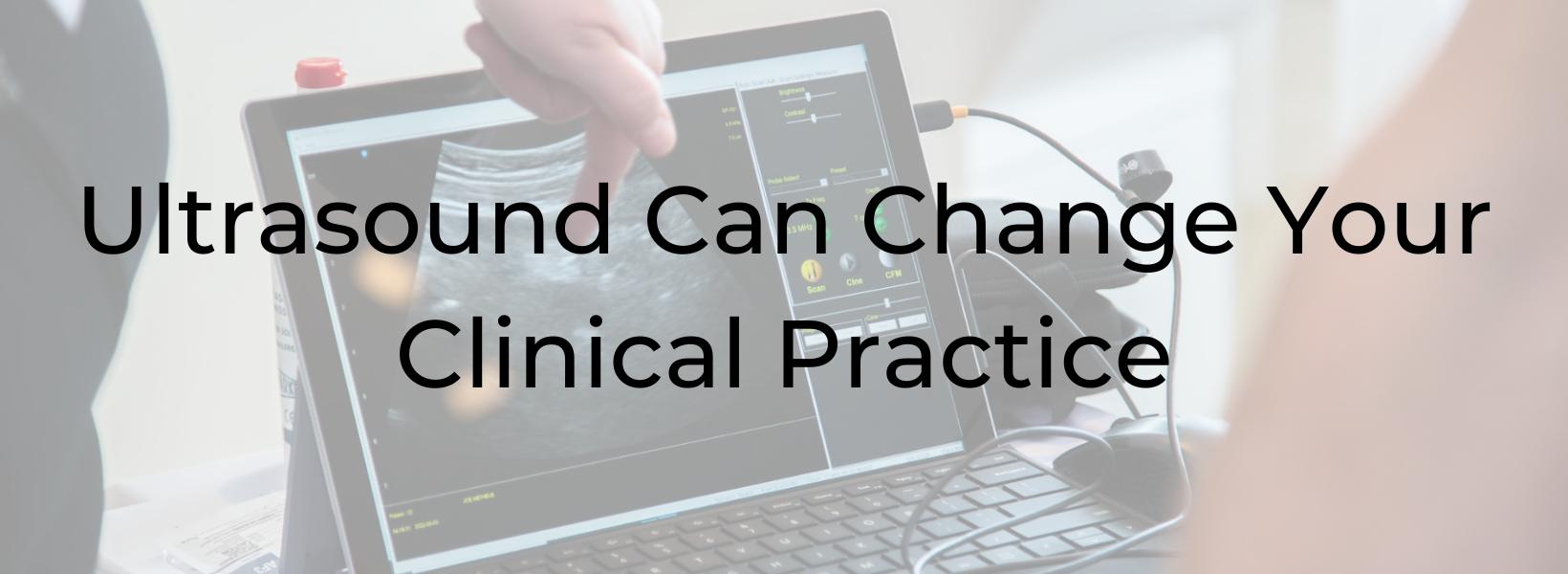
Allison Ariail, PT, DPT, CLT-LAANA, BCB-PMD is one of the creators of the Herman & Wallace Oncology of the Pelvic Floor Course Series as well as created the Rehabilitative Ultraosund courses.. Allison Ariail is a physical therapist who started working in oncology in 2007 when she became certified as a lymphatic therapist. You can join Allison in her upcoming two-day course September 29-30 (Rehabilitative Ultrasound: Orthodedic Topics) or the extended three-day course Rehabilitative Ultrasound: Women's Health and Orthodedic Topics that is through October 1st. You can also see Allison at HWConnect in the vendor hall where she will be doing ultrasound demonstrations. HWConnect is being held in Seattle, Washington this October 6-8, 2023.
“The widespread use of imaging has the potential to change the management of pelvic floor morbidity, such as urinary and anal incontinence, pelvic organ prolapse and related conditions ………. the insights provided by real-time imaging will enhance diagnostic and therapeutic capabilities.”1 This is a quote from an opinion article in Obstetrics and Gynecology by Hans Peter Dietz. Dietz has been researching the use of ultrasound and how it can assist in the diagnosis and treatment of pelvic floor disorders for years. I couldn’t agree more with this quote! Over the last 20 years that I have been using US imaging in my practice, I have seen more and more clinicians embrace ultrasound and let it change how they treat patients.
I have always told clinicians that using ultrasound will not only change your practice, but it will change patients’ lives. From using it to help postpartum women relearn to activate their core muscles, to helping chronic back pain patients that don’t get better with traditional treatment, to recent advances in a more targeted training method for postprostatectomy patients; using ultrasound will influence your treatments and help patients get back to living the lives and doing what they love to do.
In my experience, using ultrasound has been a rewarding experience to see how this tool can assist patients to meet their goals. There is something about the visual biofeedback and seeing what it happening inside the body to help patients have that “aha” moment where they get excited about treatment, become more motivated, and start to see results that they may not have had before. I recently had a patient that came to see me after having multiple sessions of therapy for urinary incontinence after a prostatectomy with another very qualified clinician. He was still having some leakage with sit-to-stand and during his tennis game. We were able to use ultrasound imaging to see that when he was performing a task that required more physical effort, he was no longer holding the pelvic floor contraction and was in fact using the incorrect strategy that increased pressure on his bladder. The visual biofeedback provided by ultrasound helped him learn to properly engage his pelvic floor with sit-to-stand and during athletic maneuvers. I only saw this patient for two treatments before I received a call from him telling me that he had seen so much progress and was doing so well that he felt he was ready to graduate from therapy.
Ultrasound can change your clinical practice. You can use it with back and sacroiliac joint patients, urinary and fecal incontinence patients, prolapse patients, post-prostatectomy patients, bowel patients, postpartum patients,….the list goes on! The prices of ultrasound units continue to go down and make it much more affordable for clinicians to be able to afford. I would recommend considering adding this tool to your list of available tools in your clinic.
At HWConnect, you will hear speakers discuss using ultrasound in their research and can see a demo of ultrasound use for a pelvic floor patient. You can also learn to use ultrasound in your practice with a Rehabilitative Ultrasound Imaging course offered through Herman and Wallace this September, as well as several dates for next year! If you do decide to get this exciting new tool, I promise you won’t be disappointed once you learn to use it and implement it into your clinical practice!
References:
- Dietz, HP. Ultrasound in the investigation of pelvic floor disorders. Curr Opin Obstet Gynecol. 2020; Dec; 32(6):431-440.

Rehabilitative Ultrasound Imaging - Women's Health and Orthopedic Topics - September 29 - October 1, 2023
*3 Day course (Friday-Saturday-Sunday) with internal and external labs
Experience Level: Intermediate
Contact Hours: 22.5
Description: This three-day course is designed to provide instruction in the generation and interpretation of rehabilitative ultrasound images as they relate to the pelvic girdle. Both lecture and lab material will be presented that will allow the participant to immediately incorporate the use of rehabilitative ultrasound imaging into their evaluation and treatment plans for patients with diagnoses including lumbopelvic pain and instability, pelvic organ prolapse, and urinary incontinence.
The course comprises of lectures and labs that present both ideal and abnormal responses of real-time imaging of the transverse abdominals, rectus abdominis, deep multifidus, levator ani, bladder, bladder neck, urethra, and vagina during contraction and Valsalva. Imaging methods used during labs will consist of transabdominal viewing as well as transperineal/translabial viewing methods. Prior experience with perineal and vaginal assessments is required to take the course. During labs, participants will be able to practice using machines provided by course sponsors.
This is an intermediate-level rehabilitative ultrasound imaging course intended for therapists having sound knowledge of training techniques for the local stabilizing muscles of the pelvic floor, transverse abdominals, and deep multifidi muscles and experience with internal vaginal exams. Prior coursework regarding the local stabilizing muscles (Diane Lee/ Linda Joy Lee, Paul Hodges, Pelvic Floor/Pelvic Girdle) is required.
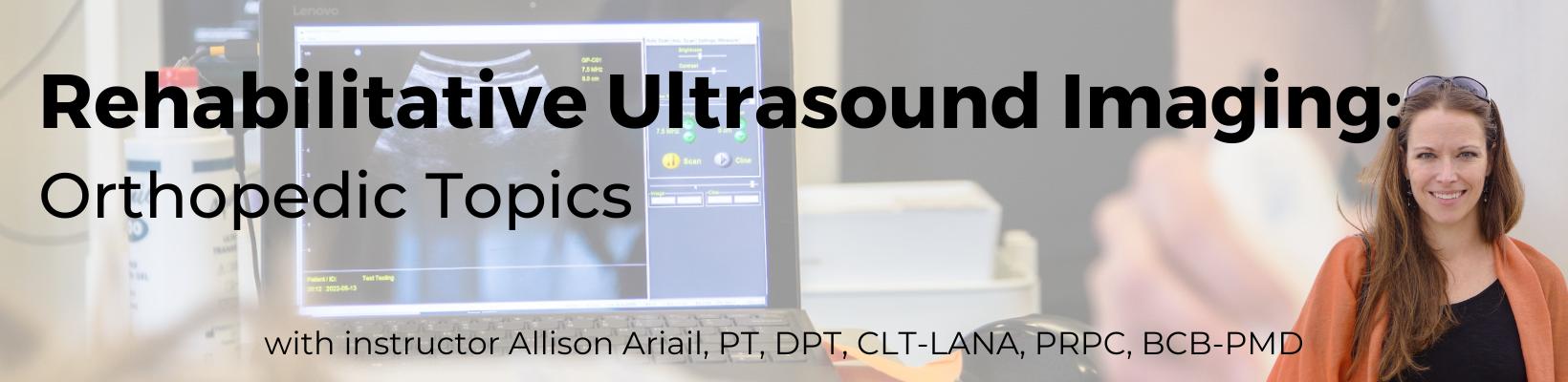
Rehabilitative Ultrasound Imaging - Orthopedic Topics - September 29-30, 2023
*2 Day course (Friday-Saturday) with external labs only
Price: $475
Experience Level: Intermediate
Contact Hours: 14
Description: This two-day course is designed to provide instruction in the generation and interpretation of rehabilitative ultrasound images as they relate to the pelvic girdle and low back stabilization. Both lecture and lab material will be presented that will allow the participant to immediately incorporate the use of rehabilitative ultrasound imaging into their evaluation and treatment plans for patients with diagnoses including lumbo-pelvic pain and instability.
This course comprises of lectures and labs that present both ideal and abnormal responses of real-time imaging of the transverse abdominals, rectus abdominis, deep multifidus, levator ani, bladder, and bladder neck. During labs, participants will be able to practice using machines provided by course sponsors.
This is an intermediate level rehabilitative ultrasound imaging course intended for therapists having a sound knowledge in training techniques for the local stabilizing muscles of the pelvic floor, transverse abdominals, and deep multifidi muscles. Prior coursework regarding the local stabilizing muscles is required.
Tara Sullivan, PT, DPT, PRPC, WCS, IF is on faculty with Herman & Wallace. She created Sexual Medicine in Pelvic Rehab and co-created Pain Science for the Chronic Pelvic Pain Population which she instructs alongside co-creator Alyson N Lowrey, PT, DPT, OCS. Tara started in the healthcare field as a massage therapist, practicing over ten years including three years of teaching massage and anatomy and physiology and has specialized exclusively in Pelvic Floor Dysfunction treating bowel, bladder, sexual dysfunctions, and pelvic pain since 2012. Join Tara in her next on September 23-24 in her remote course Sexual Medicine for Pelvic Rehab.
Since 2012, Dr. Tara Sullivan, PT, PRPC, WCS, IF, has exclusively specialized in pelvic pain and treating pelvic floor dysfunction (PFD). Previously, she worked as a massage therapist while attending college to eventually receive a doctorate degree in physical therapy from A.T. Still University. Sullivan continued her education to earn a Pelvic Rehabilitation Practitioner Certification (PRPC), which showcases her expertise in the field of pelvic rehabilitation. She also serves as a fellow of the International Society for the Study of Women's Sexual Health and is a board-certified clinical specialist in women’s health.
Sullivan established the pelvic health program at HonorHealth in Scottsdale, Az., which now has nine locations. She mentors 11 pelvic physical therapists locally and also teaches other physical therapists throughout the country about pelvic health as a member of the faculty team at Herman and Wallace. Sullivan passionately educates both the public and other healthcare providers about PFD and its treatment through her own website. She recently took the time to share some of her passion for pelvic floor health with us, including misconceptions about PFD, how she’s treating it, and what she’s excited about for the future.
What changes have you seen in the 11 years you’ve been treating PFD?
“The best change I’ve seen is that there’s more awareness from the medical community that pelvic therapy is beneficial for more than incontinence,” Sullivan said. “It used to be harder to get referrals for patients from doctors to pelvic therapy. They didn’t know we existed or they thought we only taught patients how to do Kegels.”
Nowadays, though, Sullivan said more and more doctors have begun to recognize the role pelvic floor physical therapy can play in treating patients with IC. Patients are benefitting from more public awareness and medical recognition of pelvic floor physical therapy.
“We can help patients with most bowel, bladder, and sexual dysfunctions and pelvic pain,” Sullivan said. “People don’t have to live with these debilitating conditions.”
What are some misconceptions IC patients have about PFD?
Sullivan often encounters patients who think IC is a very specific diagnosis separate from the pelvic floor. However, for IC patients without Hunner’s ulcers, the bladder is not usually the only cause of their symptoms, including pelvic pain.
“Patients and doctors don’t recognize the relationship between the pelvic floor and the bladder,” she said. Pelvic floor dysfunction can mimic and trigger the urinary symptoms associated with IC/BPS.
What treatments for PFD are you utilizing most right now?
Sullivan has two main components to treating PFD: bladder retraining and manual therapy.
“We do bladder retraining to teach the brain to not misinterpret a signal that it received from the bladder or nearby structures,” Sullivan said. “When you have IC, there are a lot of sensations that are being misinterpreted by the brain.”
The ultimate goal of bladder retraining is teaching patients how to discern between an IC urge or pain versus a normal bladder sensation. “We’re tapping into the neural loop that’s teaching the brain, the bladder, and the pelvic floor what is what,” Sullivan said.
Manual therapy is an in-office component of her treatment for PFD. She works externally on fascial training as well as intravaginally and intrarectally to help muscles release their tension. With a variety of techniques, Sullivan helps patients to down-train — or learn to relax — their pelvic floor muscles. She uses dry needling to help release those same muscles or trigger points and to down-train the nervous system as well. A needle similar to the ones used in acupuncture, is inserted right into a trigger point in a tense muscle. Sullivan said needle insertion may be uncomfortable, but many patients report feeling calm and a release just after insertion as the muscle begins to relax.
How does nutrition play a role in pelvic floor health?
“What we eat and drink causes inflammation,” she said. “Sugar, spicy and other acidic food and beverages increase inflammation in the body, especially the bladder.”
A normal amount of inflammation is healthy for healing; however, too much inflammation can have the opposite impact. While a non-ICer may be able to tolerate the inflammation from certain foods without as much repercussion, it may be more than an IC body can manage. Sullivan said if we picture inflammation in the body as being a cup, we’re fine as long as the cup doesn’t get overfull.
“That cup is constantly not getting too full,” she said of a healthy body. “It’s emptying, filling, emptying, filling. Our body is finding that balance. With patients who have IC, think of that cup as finally full and it’s overfilling.”
What might be a normal amount of inflammation for someone without IC will be more than the IC body can handle. Sullivan said diet modifications are a big component of her treatment of PFD patients. She has patients stick with a diet of foods and beverages that won’t increase inflammation.
“We have to empty the cup and then teach the body to be more balanced so that they can tolerate those [inflammatory components] in the future," Sullivan said.
What research are you most excited about for the future?
“A huge component that we keep overlooking is the effect of birth control on our overall body, but our bladder as well,” Sullivan said, mentioning she’s had many IC patients feel significantly better once they stopped oral contraceptive pills. “There’s a hormonal component to IC as well. The bladder likes estrogen which is suppressed with hormonal birth control. I’d like to see more research on how birth control is related to IC.”
She also hopes to see breakthroughs in is the neurological pain science connection to IC. She said research has already shown that the brain interprets symptoms of IC, not the bladder. As such, she’d like to see that research expounded upon.
Where can patients go to find a good pelvic floor physical therapist near them?
Finding a physical therapist trained in pelvic floor physical therapy is important. Fortunately, more and more facilities offer pelvic floor physical therapy. Sullivan said she recommends patients check out PelvicRehab.com a site run by Herman and Wallace that helps patients find qualified pelvic floor physical therapists in their area.
Special thanks to Tara Sullivan and article author Stacey A. Shannon for allowing Herman & Wallace to share this article. The original post can be found on the IC Network site here: https://www.ic-network.com/getting-to-know-the-experts-dr-tara-sullivan/.
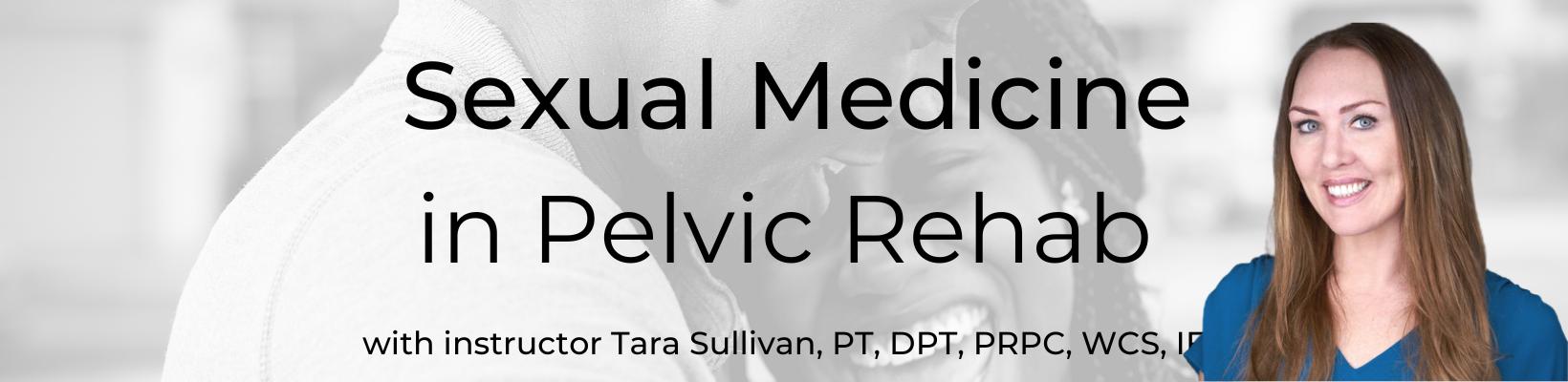
Sexual Medicine in Pelvic RehabSexual Medicine in Pelvic Rehab - September 23-24, 2023
Price: $450
Experience Level: Beginner
Contact Hours: 15
Description: This two-day, remote continuing education course is designed for the pelvic rehab specialist who wants to expand their knowledge, experience and treatment in sexual health and dysfunction. This course provides thorough introduction to pelvic floor sexual function, dysfunction and treatment interventions for males and females of all sexual orientations, as well as an evidence-based perspective on the value of physical therapy interventions for patients with chronic pelvic pain related to sexual conditions, disorders, and multiple approaches for the treatment of sexual dysfunction including understanding medical diagnosis and management.
Lecture topics include hymen myths, squirting, G-spot, prostate gland, sexual response cycles, hormone influence on sexual function, anatomy and physiology of pelvic floor muscles in sexual arousal, orgasm, and function and specific dysfunction treated by physical therapy in detail including vaginismus, dyspareunia, erectile dysfunction, hard flaccid, prostatitis, post prostatectomy; as well as recognizing medical conditions such as persistent genital arousal disorder (PGAD), hypoactive sexual desire disorder (HSDD) and dermatological conditions such as lichen sclerosis and lichen planus. Upon completion of the course, participants will be able to confidently treat sexual dysfunction related to the pelvic floor as well as refer to medical providers as needed and instruct patients in the proper application of self-treatment and diet/lifestyle modifications.
Sarah Hughes PT, DPT, OCS, CF - L2 has been a practicing physical therapist since 2007 and opened her private practice Arrow Physical Therapy in 2016. She now owns and operates Arrow remotely while residing in the Chicago area and practicing at Outlier Physical Therapy. Her specialties include dance medicine, the CrossFit and weightlifting athlete, and conditions of the hip and pelvis such as femoroacetabular impingement and labral tears. Dr. Hughes earned a BS in exercise science from Gonzaga University and a DPT from the University of Washington, she wrote and instructs Weightlifting and Functional Fitness Athletes.
Modifying exercise, particularly CrossFit and weightlifting exercises, when pregnant is critical to reducing your risk for injury. It’s hard to do for sure. We all want to maintain our fitness and remain competitive. But, the priority during and after pregnancy is the safety and health of both baby and the birthing person.
Remember, just because you aren’t in pain or you are still capable of performing in the way you did pre-pregnancy, you may be doing yourself a disservice by setting yourself up for problems down the line, or at the very least some bad habits as you change your technique with various movements.
Of course, we are not discouraging exercise. In fact, please continue to exercise!! But, just use your best judgment and consider the ways in which you might modify your workouts during your pregnancy.
Below are modification examples:
MODIFY OLYMPIC LIFTS:
- Start at the “hang” positions: Modify the lifts by starting from the hang position when the belly increases in size, as this makes it harder to lower the barbell to the ground.
- Finish in the “power” position: Often pregnant people don’t feel comfortable catching in the squat position. You can still work these barbell movements by catching in power positions.
- Forego the barbell: Finally, when the size of the pregnant belly starts to change the bar path (ie. you are swinging that weight way out in front to avoid hitting your bump), consider switching to dumbbells or kettlebells for the Olympic lifts. An improper bar path leads to bad habits and can cause injury.
MODIFY OTHER STRENGTHENING LIFTS:
The biggest thing to note here is that there is no reason to be doing max efforts when you are pregnant. You are probably not going to be setting any records and the cost/benefit may not end up being worth it. However, that is not to say you shouldn’t be lifting, or even lifting heavy. Just be sure that you are managing your breathing and not creating too much pressure with these lifts. You need to be exhaling as you exert effort so as to avoid bearing down into the pelvic floor and abdominals.
A few specific notes:
- when it comes to moving weight overhead, be sure that you are not over-arching your back and instead keeping the weight manageable so that you can maintain the best form.
- if squatting feels vulnerable because the bottom of the position feels weak, you can squat to a box to limit the range of motion. You will still be able to strengthen while protecting your body from an unstable position.
- when deadlifting, really think about dialing weight back in order to avoid using a bearing down Valsava maneuver.
MODIFY KIPPING MOVEMENTS:
Pregnant or postpartum people may experience a “separation” of the abs which we call a diastasis recti. Diastasis recti is caused by a stretching of the linea alba, the tissue that connects the left and right halves of the rectus abdominis muscle. This is a very common condition caused by the growing uterus expanding against the abdominal muscles.
This can happen naturally, just by nature of the abdomen growing. However, if you have a weak core wall or are not properly engaging it during a kipping motion, you might be making the condition worse. It’s not necessarily that you aren’t skilled enough to do the movement, but rather that your core is stretched out (thanks baby!) and the muscles are unable to contract appropriately after a certain point. By continuing to kip when this is the case, you are risking over-stretching your core wall.
- Kipping motions include: pulls up, muscle-ups, toe-to-bars, knees to elbows & knee raises.
- Modify by doing strict motions (band them as needed).
- Pull-ups can be further modified with ring rows.
- Toes-to-bar and knees-to-elbow can take a back seat. Perform Russian swings with a kettlebell if you want a metabolic stimulus and planks if you want a core stimulus.
- The ability to kip will return. You aren’t losing out on anything.
MODIFY MUSCLE UPS:
Muscle Ups: same as above. Let’s stay strict and no Valsalva maneuver. You want to avoid pressure bearing down on the pelvic floor.
If these modifications are out of reach, you can practice muscle-up transitions from your toes or using a band. You can also modify with jumping muscle-ups (stick to the ring as you won’t want your belly to hit that bar).
MODIFY PLANKS AND HOLLOW HOLDS:
If you cannot feel your abs engaging, chances are that they aren’t. You can try side planks perhaps or planks on an elevated surface. At some point, you might just cut them out of your program.
MODIFY BURPEES:
Step out to a plank and back up. You can also do an incline push-up using a bench, plates or boxes. If you are adding a jump over a barbell or other apparatus consider stepping over to avoid a potential fall and to minimize the impact through the pelvis. If burpees lead to incontinence or an “urge sensation”, modify.
A quick guide to common movement substitutions:
- Kipping Pull-Up = controlled kipping without pull-up, strict pull-up, or ring row.
- Kettlebell Swing = may modify to single arm swing for comfort on the back swing, may modify to Russian swing.
- Deadlift = sumo or kettlebell deadlifts may be more comfortable.
- Sit Ups = plank, pallof press, slam ball, side plank, hanging knee raise.
- Bench Press = press, push up (elevated as necessary).
- Handstand Push Up = modified pike on box or floor, dumbbell or barbell press/push press.
- Box Jump = lower box at first, and then step up.
- Snatch/Clean =hang power versions, then dumbbells as necessary once the belly is in the way. Can perform the power version of the movement and then squat under control. Moderate load deadlifts are also a great sub.
- Jump Rope/Running = as far as your level of comfort allows. Rowing is a good sub. Kettlebell swings and/or slam ball for a similar metabolic effect.
- Thrusters/Wall Ball = controlled squat and presses either with a barbell or dumbbells.
- Push Ups/Burpees = on a raised surface like a box, parallettes or a bar in a squat rack.
Of course, there are many many other modifications and these are not meant to be medical advice. Talk to your physical therapist or coach and listen to your body!
Sarah Hughes' original article can be found on the Arrow Physical Therapy website at https://www.arrowptseattle.com/news/crossfitmodificationsforpregnancy.
Weightlifting and Functional Fitness Athletes - October 14, 2023
Price: $295
Experience Level: Beginner
Contact Hours: 9
Description: When it comes to Crossfit and Weightlifting, opinions are divided among Physical Therapists and other clinicians. Why is it that these sports cause such strong differences among rehab professionals? In this half-day, remote continuing education course, instructor Sarah Haran PT, DPT, OCS, CF-L2 looks at the realities and myths related to Crossfit and high-level weight-lifting with the goal of answering “How can we meet these athletes where they are in order to keep them healthy, happy and performing in the sport they love?" This course will review the history and style of Crossfit exercise and Weightlifting, as well as examine the role that therapists must play for these athletes. Common orthopedic issues presented to the clinic will be examined. However, while things like urinary function, pregnancy and postpartum, hip impingement, LBP/pelvic pain, prolapse, and diastasis will be touched on, this will not be a course in addressing pelvic health concerns in these athletes. These topics will be more fully addressed in the course: Pregnancy and Postpartum Considerations for High-Intensity Athletics with Emily McElrath.
Labs will introduce and practice the movements of Crossfit and Weightlifting, discussing the points of performance for each movement. The practitioner will not only learn how to speak the language of the athlete but will experience what the movement feels like so that they may help their client to break it down into its components for a sport-specific rehab progression. The goal of this course is to provide a realistic breakdown of what these athletes are doing on a daily basis and to help remove the stigma that this type of exercise is bad for our patients. It will be important to examine the holes in training for these athletes as well as where we are lacking as therapists in our ability to help these individuals. We will also discuss mindset and culture issues such as the use of exercise gear (i.e. straps or a weightlifting belt), body image, and the concept of "lifestyle fitness". Finally, we will discuss marketing our practices to these patients.

The message below is written by HW Senior Faculty Member Jennafer Vandevegte and Elizabeth Akincilar, the Co-Program Directors of the Pelvic Health Physical Therapy Program.
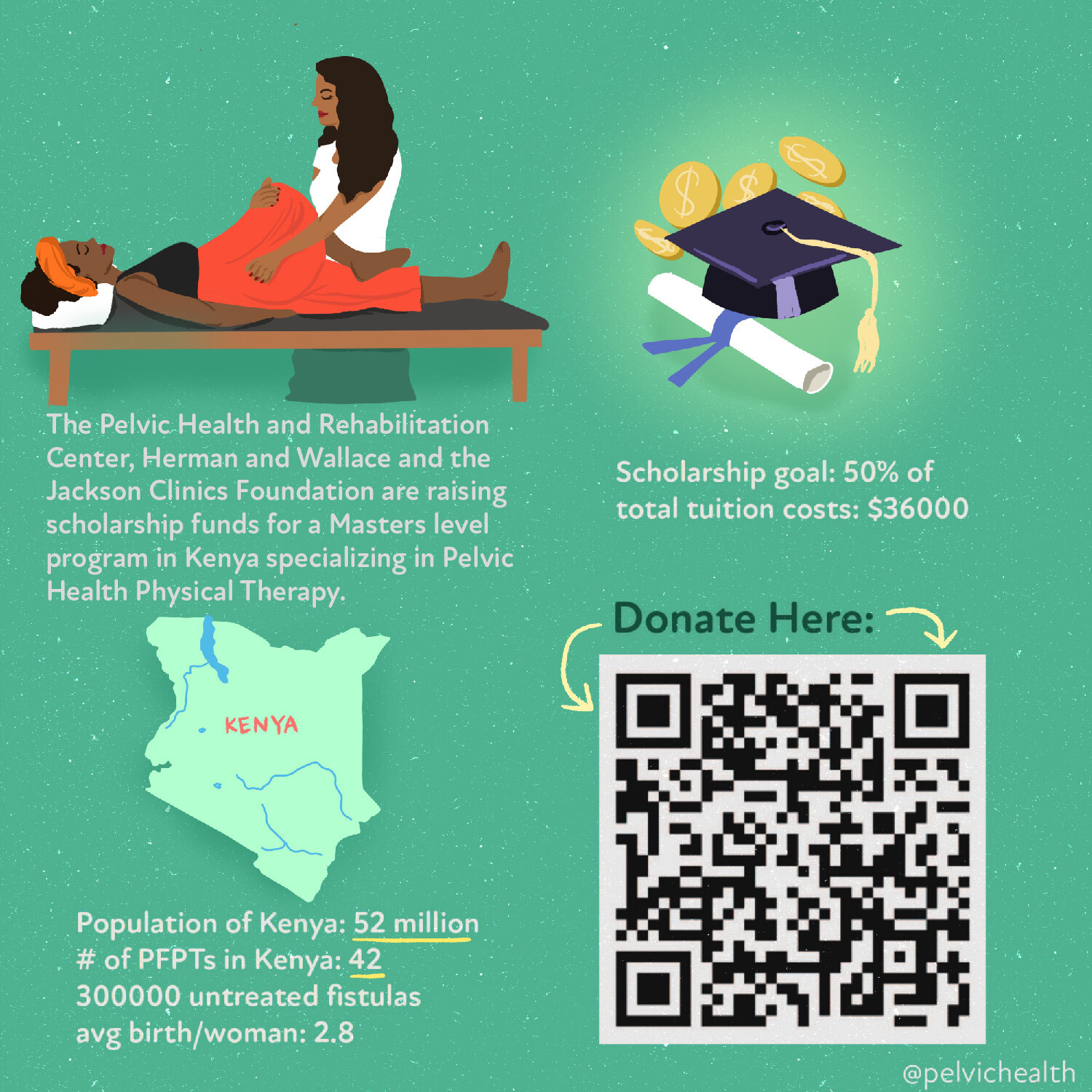
I am writing to introduce an exciting new initiative that will create scholarship opportunities for Kenyan physical therapists pursuing a degree specializing in pelvic health physical therapy.
The Jackson Clinics Foundation was formed in 2012 to fund educational efforts in East Africa. To date, the foundation has sent over 100 faculty members from their clinics and from around the country to teach in East and Central Africa. Some of the best and brightest physical therapists in the United States have volunteered their time to travel to Africa to teach these students and upgrade their education.
In 2019 the Pelvic Health Physical Therapy program in Kenya was launched by the Jackson Clinics Foundation and the Kenya Medical Training College with educational content and instructor support from the Herman and Wallace Pelvic Rehabilitation Institute and Pelvic Health and Rehabilitation Center. As you may be aware, pelvic health issues have become increasingly common in Kenya, with millions of people suffering from conditions like urinary incontinence, pelvic organ prolapse, and sexual dysfunction secondary to untreated medical conditions such as vaginal fistulas and the deleterious effects of female genital mutilation and prostate cancer. Unfortunately, there is a lack of trained professionals in this field to provide the necessary care and treatment to those affected. In fact, this program trained the first group of pelvic health physical therapists in all of East Africa.
Due to the enormous success of the initial Pelvic Health Physical Therapy program and the growing need for specialized physical therapists, The Jackson Clinics Foundation has created a two-year degree specializing in Pelvic Health. This program will become available to Kenyan physical therapists in 2024. This advanced degree will provide extensive training in assessing and treating various pelvic health conditions for adults and children. Additionally, graduates of this program will also learn how to teach their medical colleagues about pelvic health issues, bringing much-needed attention to the grossly untreated pelvic health conditions in East and Sub-Saharan Africa.
The tuition costs for this program are the primary obstacle preventing therapists from pursuing this advanced degree; therefore, we have established the Pelvic Health Physical Therapy Scholarship Fund. The fund will provide financial assistance to physical therapists in Kenya who are interested in pursuing their specialized training in Pelvic Health.
The scholarship fund seeks to raise $36,000 over the next year. We would be honored if you could contribute any amount towards this goal. Your tax-deductible contribution will go directly to the scholarship fund and will be used exclusively for pelvic health program scholarships.
Please visit our website to donate to this fund. Click on the dropdown menu to select Pelvic Heath. We appreciate any support you can offer us.
Thank you for considering this request. The infrastructure is in place, and the programs are ever-expanding and improving. These initiatives have one purpose: To improve human lives. We function under one premise, "Teach One - Treat Many." Together, we can create a healthier and more vibrant future for Kenyan communities.
Sincerely,
Elizabeth Akincilar Jennafer Vandevegte
Co-Program Director Co-Program Director

The Herman & Wallace Pelvic Floor Series and the Pregnancy and Postpartum Series course content will comprise the two-year degree and are being adapted for this audience by Senior H&W faculty member Jennafer Vande Vegte, Program Co-Director along with Elizabeth Akincilar. This degree will also include information from other contributors, including H&W faculty members Dawn Sandalcidi (on Pediatrics) and Ramona Horton (on visceral mobilization).
If you would like to learn more about this program, Jennafer and Elizabeth will be at HWConnect 2023, where a booth will be devoted to fundraising and spreading information about this incredible opportunity to bring pelvic rehab education to a greater audience across the globe.

Jennafer Vande Vegte, MSPT, BCB-PMD, PRPC began her career as a physical therapist at Spectrum Health in Grand Rapids, MI. Since 2002 Jen has focused her professional attention on treating women, men, and children with pelvic health disorders. She has been faculty for Herman and Wallace Pelvic Rehabilitation Institute since 2009 and loves to inspire other rehab professionals treating pelvic floor dysfunction. She is an author of the chapter, “Manual Therapy for the Pelvic Floor” which was published in the book, “Healing in Urology.” Jen was a contributing writer for the Pelvic Floor Capstone curriculum and also co-authored the continuing education course, “Boundaries, Self-Care and Meditation” with Nari Clemons.
Do you ever feel like you put more care into treating your patients than do for themselves?
Do you often have patients reaching out to you via phone or email outside of their appointment times?
Do you feel alternatively burdened by patient care/documentation and proud of the way you give 100% to your work?
Do you often give your all to your patients and come home depleted and even grumpy with the people you love?
As rehab professionals, we had to work really hard, and strive even, to get really good grades in high school and college to be accepted into our rigorous and demanding training programs. We developed strong work ethics and were praised for our success. During those years, self-care may not have been a priority. Maybe we were single, childless with significantly fewer responsibilities. We could put the pedal to the proverbial metal and keep on going.
Did anyone in school teach us about energy preservation? Offer up the idea that if we continued to work that hard, and give that much it would lead to job DISsatisfaction, compromise our relationships and our health and lead to burnout.
Probably NOT.
So we kept working and striving in our jobs, even though now our LIVES were getting more complicated. Maybe we found a life partner. Perhaps we bought a home. We found pets to care for. Maybe we had children. And we found ourselves utterly exhausted.
If this story sounds familiar to you, Nari Clemons and I would love to invite you to a different way to practice. A different way to live. We designed our class “Boundaries, Self-Care and Meditation” for YOU to find joy in work-life balance. To love what you do, but leave work with energy for all the things you love OUTSIDE of work.
Using a shared responsibility model, you will gain skills in allowing patients to own the responsibility for their recovery. You will illuminate where you are losing energy and develop the skillfulness to shift. Meditation and mindfulness will become a means to a healthier, more balanced nervous system for yourself as well as for your patients.
In short, this class can be LIFE-CHANGING. For both you and your relationships with your patients and the people in your life.
We invite you into a new way. Come join us this fall.
Boundaries, Self-Care, and Meditation Part 1 - September 9, 2023
Price: $400
Experience Level: Beginner
Contact Hours: 12.5
Description: This course is a two-part series intended to be completed in order. Participants should register for Part 1 and Part 2 at the same time, or complete Part 1 and wait to complete Part 2 at a later date. This course was developed by Nari Clemons, PT, PRPC, and Jennafer Vande Vegte, PT, PRPC, and was "born out of our own personal and professional struggles and our journey to having a life and a practice that we love and can sustain." The intention of this class is deep, personal, and professional transformation through evidence-based information and practices.
The instructors recommend completing this series in two parts to allow time to process and implement one leg of the journey before undertaking the next. Both Part One and Part Two have a significant amount of pre-work to digest and practice before meeting via Zoom. Please plan for up to 12 hours of pre-course work. This sets the stage for you to find your path to experiencing more joy, energy, and balance.
In Part One. participants begin their process of study, meditation, and self-reflection in the weeks prior to the start of the class. Pre-work includes a focus on the neuroscience of pain, trauma, PTSD, and meditation. Participants will learn about the powerful influence both negative and positive experiences have on our nervous system’s structure and function. Personal meditation practice and instruction will create changes in the participant's own nervous system. Participants will also learn how to prescribe meditation for various patient personalities and needs, as well as analyze yourself through inventories on coping, self-care, empathy, burnout, and values as well as track how you spend your time. Commitment to pre-work will facilitate rich discussion as we put what you have learned into practice around building a shared responsibility model of patient care, language to support difficult patients, and both visualizing and planning steps to create new, healthier patterns in your life and in your practice.
Boundaries, Self-Care, and Meditation Part 2 - November 4, 2023
Price: $400
Experience Level: Beginner
Contact Hours: 13
Description: This course is a two-part series intended to be completed in order. Participants should register for Part 1 and Part 2 at the same time, or complete Part 1 and wait to complete Part 2 at a later date. This course was developed by Nari Clemons, PT, PRPC, and Jennafer Vande Vegte, PT, PRPC, and was "born out of our own personal and professional struggles and our journey to having a life and a practice that we love and can sustain." The intention of this class is deep, personal and professional transformation through evidence-based information and practices.
The instructors recommend completing this series in two parts to allow time to process and implement one leg of the journey before undertaking the next. Both Part One and Part Two have a significant amount of pre-work to digest and practice before meeting via Zoom. Per the instructors "This sets the stage for you to find your path to experiencing more joy, energy, and balance."
Part Two continues the focus on personal and professional growth for the participant, with a deeper dive into meditation and self-care practices. Yoga is introduced as a means of mindful movement and energy balance. Participants will learn to identify unhealthy relational patterns in patients and others and skills on how to use language and boundaries to create shifts that keep the clinician grounded and prevent excessive energic and emotional disruptions. There is a lecture on using essential oils for self-care and possibly patient care. Learning new strategies to preserve energy, wellness, and passion while practicing appropriate self-care and boundaries will lead to helpful relationships with complex patients. This course also includes a discussion of energetic relationships with others as well as the concept of a "Higher Power". Discussion will also include refining life purpose, mission, and joy potential, unique to the individual participant. The goal is that the participating clinician will walk away from this experience equipped with strategies to address both oneself and one's patients with a mind, body, and spirit approach.
By accepting you will be accessing a service provided by a third-party external to https://hermanwallace.com/
All Upcoming Continuing Education Courses

Pelvic Function Level 2B - Satellite - Seattle WA - April 27 - 28 2024 SOLD OUT
Apr 27 2024 - Apr 28 2024


Pelvic Function Level 2B - Satellite - Cranford NJ - April 27 - 28 2024 - SOLD OUT
Apr 27 2024 - Apr 28 2024

Menopause Transitions and Pelvic Rehab - Remote Course - April 27 - 28 2024
Apr 27 2024 - Apr 28 2024

Nutrition Perspectives for the Pelvic Rehab Therapist - Remote Course - April 27 - 28 2024
Apr 27 2024 - Apr 28 2024

Pelvic Function Level 2B - Satellite - Des Plaines IL - April 27 - 28 2024
Apr 27 2024 - Apr 28 2024



Pelvic Function Level 2B - Satellite - Hilton Head SC - April 27 - 28 2024
Apr 27 2024 - Apr 28 2024






Pelvic Function Level 1 - Satellite - Kankakee IL - May 4 - 5 2024 - SOLD OUT
May 4 2024 - May 5 2024

Pelvic Function Level 1 - Satellite - Wichita KS - May 4 - 5 2024 - SOLD OUT
May 4 2024 - May 5 2024

Pelvic Function Level 1 - Satellite - Ann Arbor MI - May 4 - 5 2024 - SOLD OUT
May 4 2024 - May 5 2024

Pelvic Function Level 2B - Satellite - Fairfax VA - May 11 - 12 2024 SOLD OUT
May 11 2024 - May 12 2024

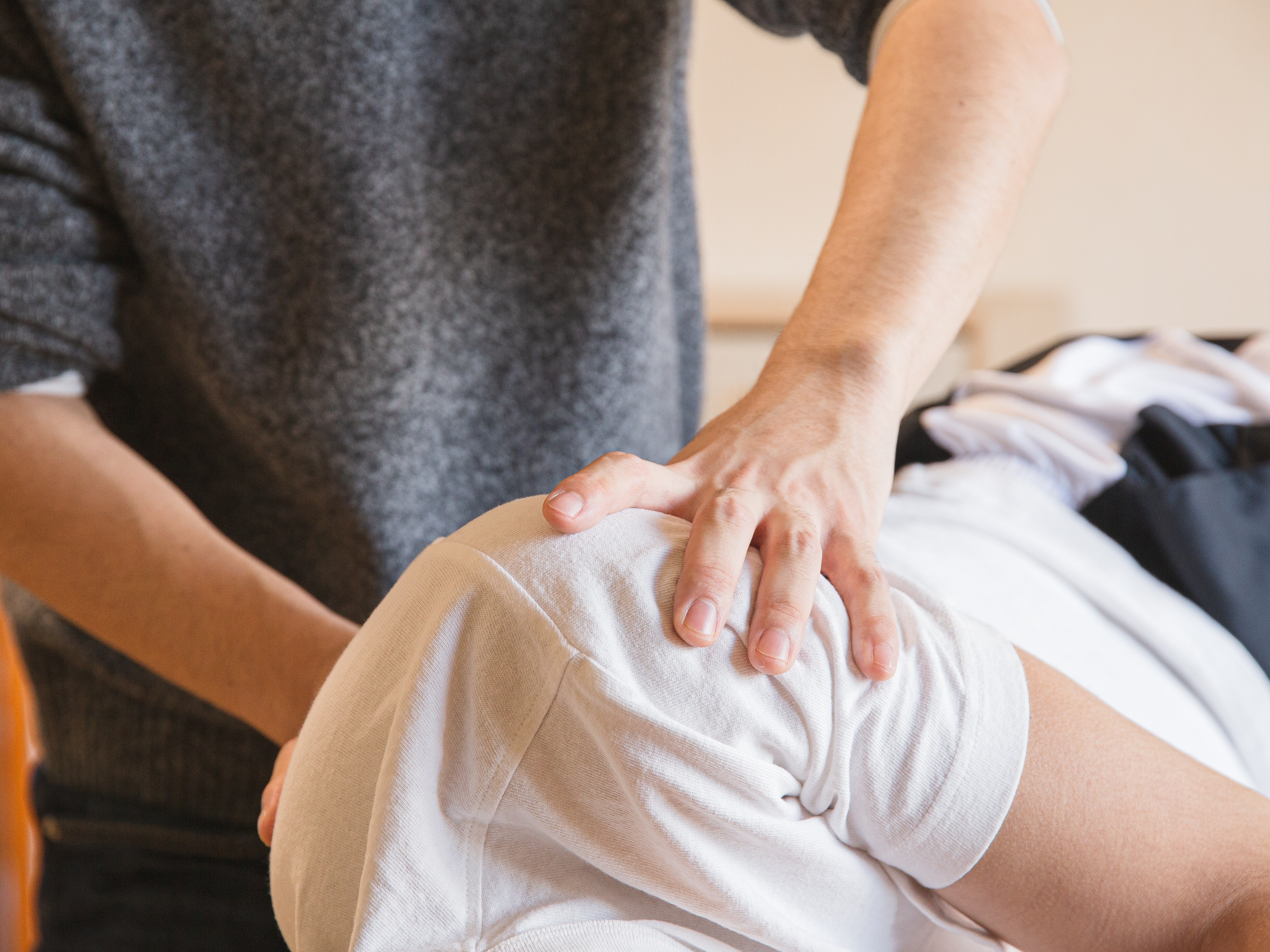
Trauma Awareness for the Pelvic Therapist - Remote Course - May 11 - 12 2024
May 11 2024 - May 12 2024

Pelvic Function Level 2B - Satellite - East Greenwich RI - May 11 - 12 2024
May 11 2024 - May 12 2024
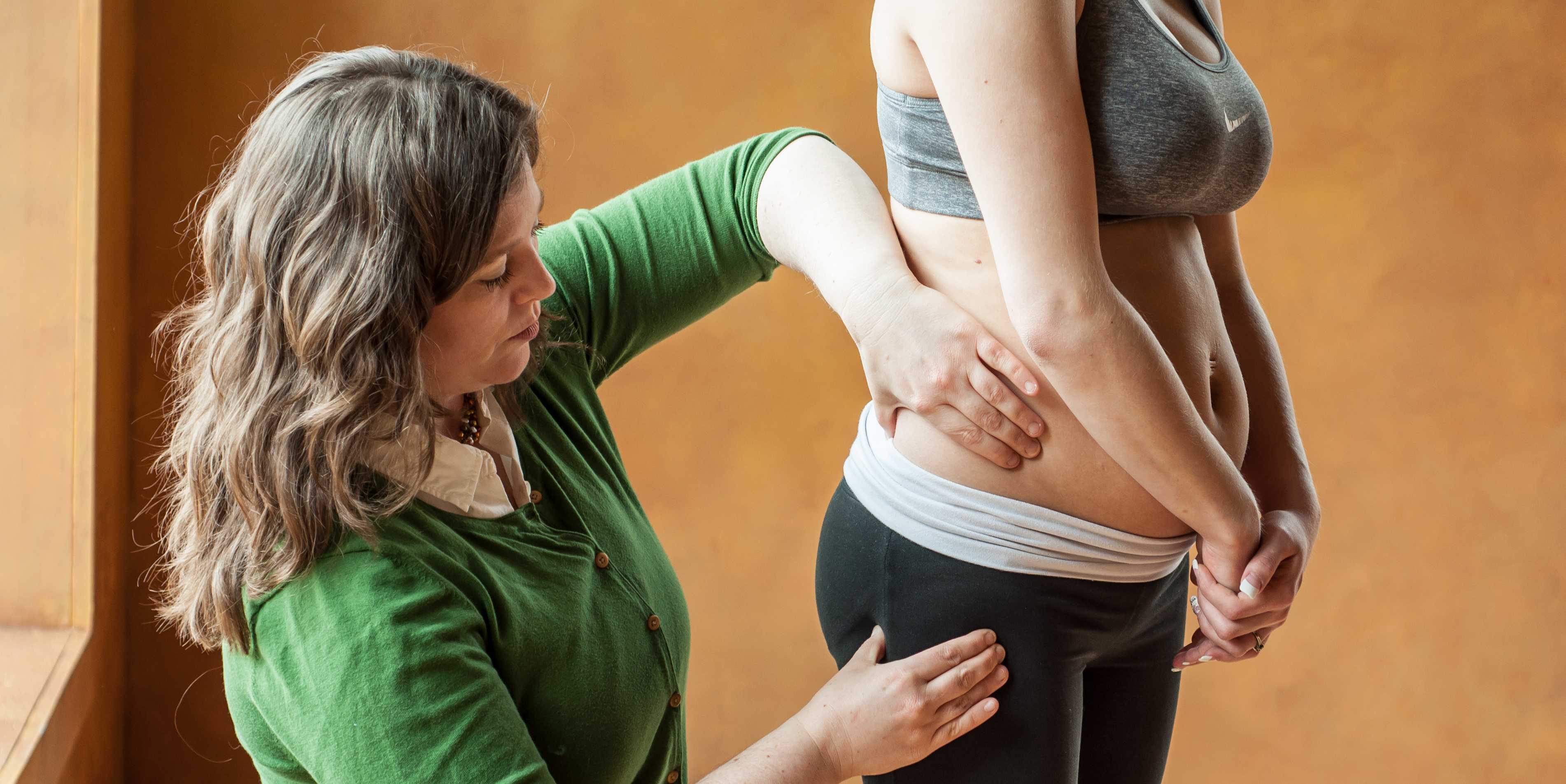
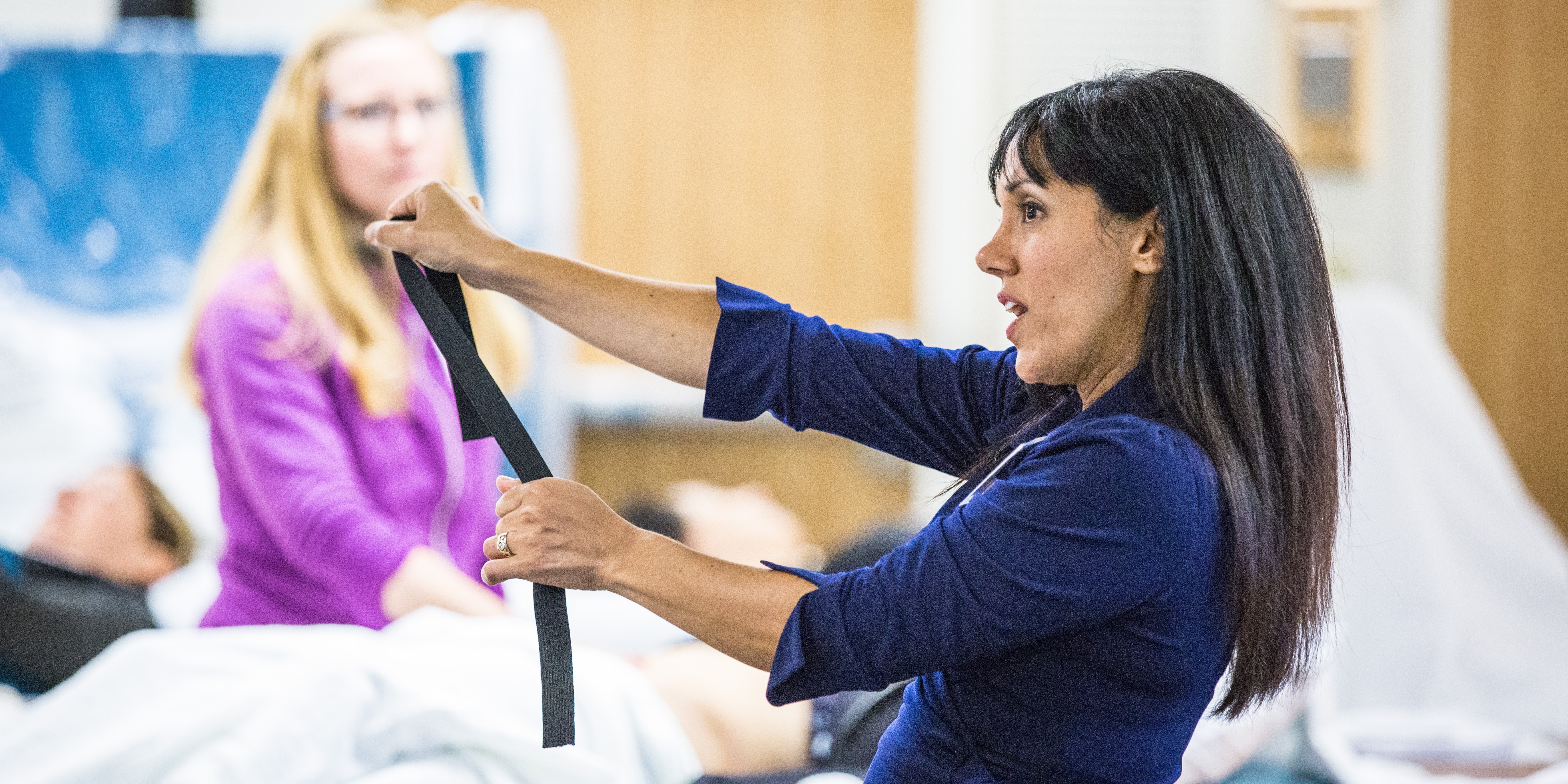
Sacral Nerve Manual Assessment and Treatment - Remote Course - May 11 - 12 2024
May 11 2024 - May 12 2024


Mobilization of Gastrointestinal Visceral Fascia Satellite Lab Course - Self-Hosted - May 17 - 19 2024
May 17 2024 - May 19 2024

Mobilization of Visceral Fascia: Gastrointestinal Satellite Lab Course - Torrance CA - May 17 - 19 2024
May 17 2024 - May 19 2024
Mobilization of Visceral Fascia: The Gastrointesti System Satellite Lab Course - Bedford NH - May 17 - 19 2024
May 17 2024 - May 19 2024

Mobilization of Visceral Fascia: The Gastrointestinal System - Asheville NC - May 17 - 19 2024
May 17 2024 - May 19 2024

Mobilization of Visceral Fascia: The Gastrointestinal System Satellite Lab Course - Lansing MI - May 17 - 19 2024
May 17 2024 - May 19 2024

Mobilization of Visceral Fascia: The Gastrointestinal System Satellite Lab Course - Scarborough ME - May 17 - 19 2024
May 17 2024 - May 19 2024

Mobilization of Visceral Fascia: Gastrointestinal Satellite Lab Course - Medford OR - May 17 - 19 2024
May 17 2024 - May 19 2024

Pediatrics Level 1 - Treatment of Bowel and Bladder Disorders - Remote Course - May 18 - 19 2024
May 18 2024 - May 19 2024

Pelvic Function Level 1 - Satellite - Phoenix AZ - May 18 - 19 2024 - SOLD OUT
May 18 2024 - May 19 2024