Why Pharmacology Belongs in Every Pelvic Health Provider's Toolkit
Pelvic health physical therapy sits at the intersection of multiple body systems: musculoskeletal, neuromuscular, gastrointestinal, urologic, reproductive, and psychological. Yet one critical piece is consistently underemphasized in clinical training: pharmacology.
As pelvic health providers, we routinely treat patients who are taking medications that directly influence bladder function, bowel motility, hormonal balance, tissue integrity, pain perception, sexual function, and autonomic regulation. If we are not confident in our understanding of those medications, we risk missing key contributors to our patients' symptoms — or worse, misinterpreting clinical presentation altogether.
Expanding pharmacologic literacy for pelvic health providers isn't optional anymore. It's essential.
Medications Influence the Pelvic Floor More Than We Think
Consider how commonly our patients are prescribed medications like these:
- Anticholinergics for overactive bladder
- Beta-3 agonists for urinary urgency
- Hormonal contraceptives or menopausal hormone therapy
- SSRIs and SNRIs
- Muscle relaxants
- Opioids
- Laxatives or stool softeners
Each of these medications can alter tissue quality, muscle tone, coordination, libido, arousal, bowel patterns, or pain processing. For example, oxybutynin (an anticholinergic) may reduce bladder urgency but contribute to constipation — which in turn increases pelvic floor strain. Hormonal changes driven by oral contraceptives or menopause can affect collagen integrity, vaginal tissue health, and load tolerance. Antidepressants may improve mood while simultaneously influencing sexual function or arousal.
When we assess biomechanics without considering pharmacology for pelvic health, we are seeing only part of the picture.
Medication Side Effects Can Mimic or Exacerbate Dysfunction
Patients frequently present with symptoms such as:
- Constipation or bowel irregularity
- Urinary retention, urgency, or frequency
- Sexual dysfunction or decreased arousal
- Vaginal dryness or tissue irritation
- Fatigue or dizziness affecting exercise tolerance
How often are these attributed solely to pelvic floor dysfunction when medication side effects may be a primary contributor? Understanding pharmacodynamics and pharmacokinetics allows us to recognize red flags early, identify medication-induced symptoms, modify exercise dosing appropriately, and collaborate more effectively with prescribing providers. This elevates our clinical reasoning from symptom management to genuinely comprehensive pelvic health care.
Interdisciplinary Collaboration Starts with Pharmacologic Fluency
Pelvic health PTs frequently collaborate with OB-GYNs, urogynecologists, urologists, gastroenterologists, pain specialists, and primary care providers. When we understand the indications for common pelvic medications — their mechanisms of action, contraindications, and side effect profiles — we can communicate clearly, advocate effectively for our patients, and participate meaningfully in care decisions.
This isn't about prescribing. It's about being an informed provider within a multidisciplinary team. Pharmacologic literacy is what allows pelvic health providers to show up at that table as true clinical partners.
Meet the Faculty: Kristina Koch, PT, DPT, CLT, PCES
Kristina Koch, PT, DPT, CLT, PCES is a board-certified specialist in women's health physical therapy and the creator of this course. With over two decades of clinical experience treating pelvic floor dysfunction across all genders and ages, Kristina brings unparalleled depth to this subject. She earned her doctorate from The College of St. Scholastica in 2021 and currently practices in Colorado Springs, CO, where she also serves as a guest lecturer for graduate PT students at Regis University in Denver and provides educational sessions for medical providers and community groups. Kristina has developed this course because she believes pharmacologic literacy is a professional responsibility — not just a clinical nice-to-have.
Invest in the Provider You're Becoming
Pelvic health is evolving rapidly. Our patients are complex. Our role is expanding. To practice at a high level, we must think beyond muscles and manual therapy — we must understand the biochemical and systemic influences that shape pelvic function, including the medications our patients take every day.
If you are ready to deepen your expertise, improve patient outcomes, and elevate your confidence in pharmacology for pelvic health, this is the course you've been waiting for.
Pharmacologic Considerations for the Pelvic Health Provider
Remote Course — Saturday, April 4, 2026 | 8:00 AM Pacific | Live via Zoom
This one-day remote course is designed specifically for pelvic health rehabilitation professionals and covers:
- Urologic medications and their effects on pelvic floor function
- Gastrointestinal pharmacology
- Hormonal therapies including gender-affirming care medications
- Pain medications and their impact on neuromuscular function
- Psychotropic medications and pelvic health
- Medication side effects that influence pelvic function
- Clinical decision-making and interdisciplinary communication
- Non-medication treatment alternatives
Your patients deserve comprehensive care, and you deserve the knowledge to deliver it. Register today at hermanwallace.com — spots are limited.
By accepting you will be accessing a service provided by a third-party external to https://hermanwallace.com/
All Upcoming Continuing Education Courses

Rehabilitative Ultrasound Imaging Pelvic Health Satellite Lab Course - Self-Hosted - April 17 - 19 2026
Apr 17 2026 - Apr 19 2026

Rehabilitative Ultrasound Imaging Pelvic Health Satellite Lab Course - Edmond OK - April 17 - 19 2026
Apr 17 2026 - Apr 19 2026

Pelvic Function Level 2B - Satellite - Bethpage NY - April 18 - 19 2026 - SOLD OUT
Apr 18 2026 - Apr 19 2026

Pelvic Function Level 1 - Satellite - Seattle WA - April 18 - 19 2026 - SOLD OUT
Apr 18 2026 - Apr 19 2026

Pelvic Function Level 1 - Satellite - Salt Lake City UT - April 18 - 19 2026 - SOLD OUT
Apr 18 2026 - Apr 19 2026

Pelvic Function Level 1 - Satellite - Newberg OR - April 18 - 19 2026 - SOLD OUT
Apr 18 2026 - Apr 19 2026

Menopause Transitions and Pelvic Rehab - Remote Course - April 18 - 19 2026
Apr 18 2026 - Apr 19 2026

Pelvic Function Level 1 - Satellite - Wichita KS - April 18 - 19 2026 - SOLD OUT
Apr 18 2026 - Apr 19 2026

Oncology of the Pelvic Floor Level 2A - Remote Course - April 18 - 19 2026
Apr 18 2026 - Apr 19 2026
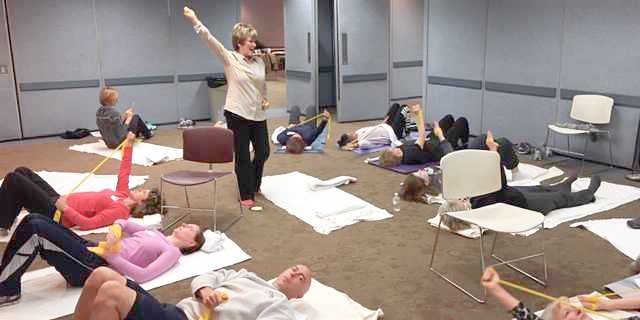
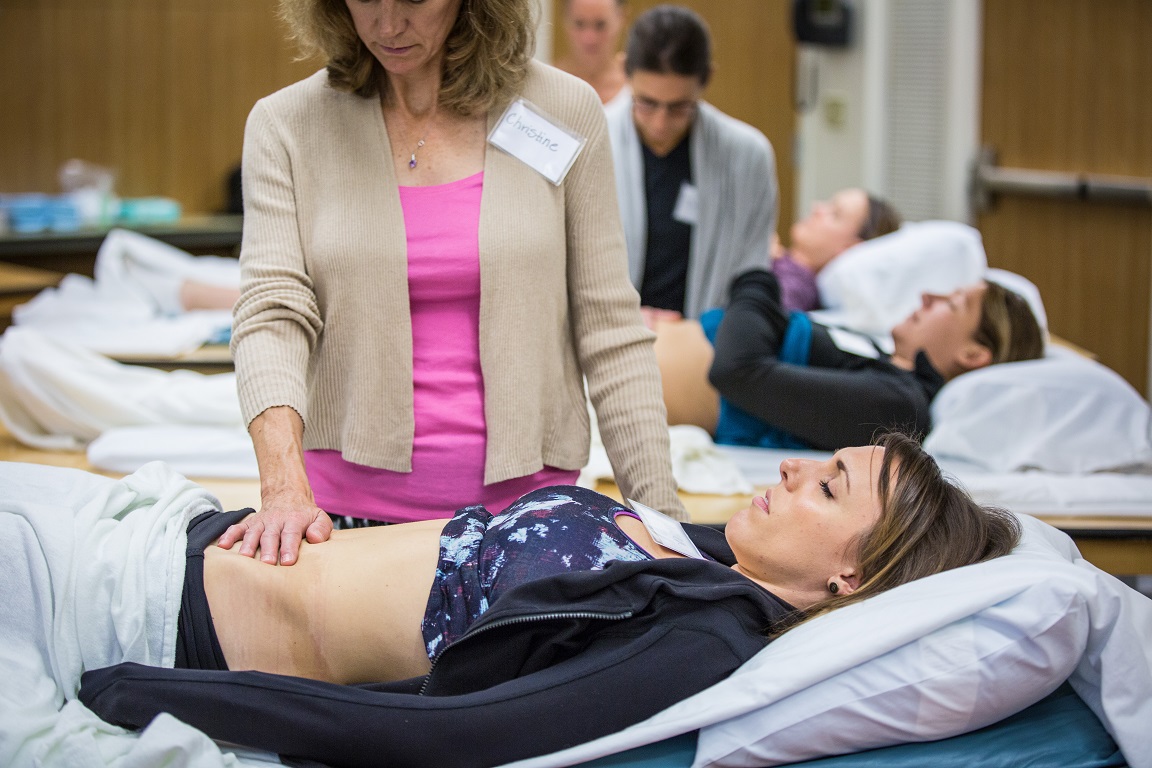

Pelvic Function Level 1 - Satellite - St. Augustine FL - April 18 - 19 2026
Apr 18 2026 - Apr 19 2026

Pelvic Function Level 1 - Satellite - Minneapolis MN - April 18 - 19 2026 - SOLD OUT
Apr 18 2026 - Apr 19 2026



Pelvic Function Level 1 - Satellite - Colorado Springs CO - April 18 - 19 2026
Apr 18 2026 - Apr 19 2026










Pelvic Function Level 2B - Satellite - Nashotah WI - May 9 - 10 2026 - SOLD OUT
May 9 2026 - May 10 2026


Mobilization of the Myofascial Layer - Satellite Lab Course - Torrance CA - May 15 - 17 2026
May 15 2026 - May 17 2026
Mobilization of the Myofascial Layer - Satellite Lab Course Self-Hosted - May 15 - 17 2026
May 15 2026 - May 17 2026

Mobilization of the Myofascial Layer - Satellite Lab Course - McKinney TX - May 15 - 17 2026
May 15 2026 - May 17 2026

Mobilization of the Myofascial Layer - Satellite Lab Course - Bradenton FL - May 15 - 17 2026
May 15 2026 - May 17 2026

Mobilization of the Myofascial Layer - Satellite Lab Course - Atlanta GA - May 15 - 17 2026
May 15 2026 - May 17 2026

Pediatrics Level 2 - Adv Pediatric Bowel and Bladder Disorders - Remote Course - May 16 - 17 2026
May 16 2026 - May 17 2026


Pelvic Function Level 1 - In-Person - Bridgewater NJ - May 16 - 17 2026 - SOLD OUT
May 16 2026 - May 17 2026