As reported in Female Pelvic Medicine & Reconstructive Surgery, women who were successfully treated for stress urinary incontinence also noted improvements in sexual function. Women in the study were treated with a pessary, with behavioral therapy for incontinence, or with a combination of these treatments. Behavioral therapy included pelvic muscle strengthening and continence strategies. At 3 months, sexual function was assessed using short forms of both the Pelvic Organ Prolapse-Urinary Incontinence Sexual Function Questionnaire (PISQ-12) and the Personal Experiences Questionnaire (SPEQ).
The researchers found that in those women who experienced improved urinary continence, sexual activity was one of the activities in which a reduction of urinary leakage occurred. Patients also reported less restricted sexual function due to fear of leakage.
Interestingly, patients who experienced both urge incontinence and stress incontinence (versus stress incontinence alone) reported a lower level of sexual function at baseline.
It is well documented in the literature that urinary incontinence impairs quality of life in women, and this includes sexual health. The American Urological Association (AUA) recommends that medical providers ask questions about urinary incontinence and about level of bother of symptoms. The AUA also recommends that providers use validated surveys to assess a patient's function. As physical therapists, we can include screening questions on our intake forms, provide more detailed continence questionnaires, and discuss these sensitive issues with our patients to ensure that we are getting the best information about our patient's function.
Behavioral modification training for patients who have urinary issues commonly involves education about dietary triggers. The IC-Network lists green tea as "probably problematic" for triggering increased symptoms. Researchers in Japan, however, have reported an inverse relationship between urinary incontinence and drinking green tea.
Researchers at Curtin University in Western Australia and at the University of Tokyo completed dietary intake questionnaires for 300 Japanese community dwelling women aged 40-75 years. A urinary continence questionnaire was also completed (International Consultation on Incontinence Questionnaire- Short Form).
In the 27.5% of women who experienced urinary incontinence, less green tea was consumed on a daily basis versus those who did not leak. Average consumption of green tea for those who did not report incontinence was over 3 cups (757 ml). This relationship was not identified to be in effect for coffee, black or oolong tea.
Perhaps an important message to take from this research is that in our clinical experiences patients rarely respond equally to the same dietary factors. Some of our patients cannot, despite vigorous logging of food and beverage intake, find a consistent association between certain foods or fluids and their bladder symptoms. Even though some of our patients may benefit from reducing coffee and teas, we can appreciate that at least in Japan, where this information was gathered, a diet that includes green tea may not necessarily contribute to bladder issues.
Perhaps an important message to take from this research is that in our clinical experiences patients rarely respond equally to the same dietary factors. Some of our patients cannot, despite vigorous logging of food and beverage intake, find a consistent association between certain foods or fluids and their bladder symptoms. Even though some of our patients may benefit from reducing coffee and teas, we can appreciate that at least in Japan, where this information was gathered, a diet that includes green tea may not necessarily contribute to bladder issues.
All Upcoming Continuing Education Courses


Pelvic Function Level 1 - Satellite - Fairfax VA - February 7 - 8 2026 - SOLD OUT
Feb 7 2026 - Feb 8 2026

Pelvic Function Level 1 - Satellite - Queens NY - February 7 - 8 2026 - SOLD OUT
Feb 7 2026 - Feb 8 2026

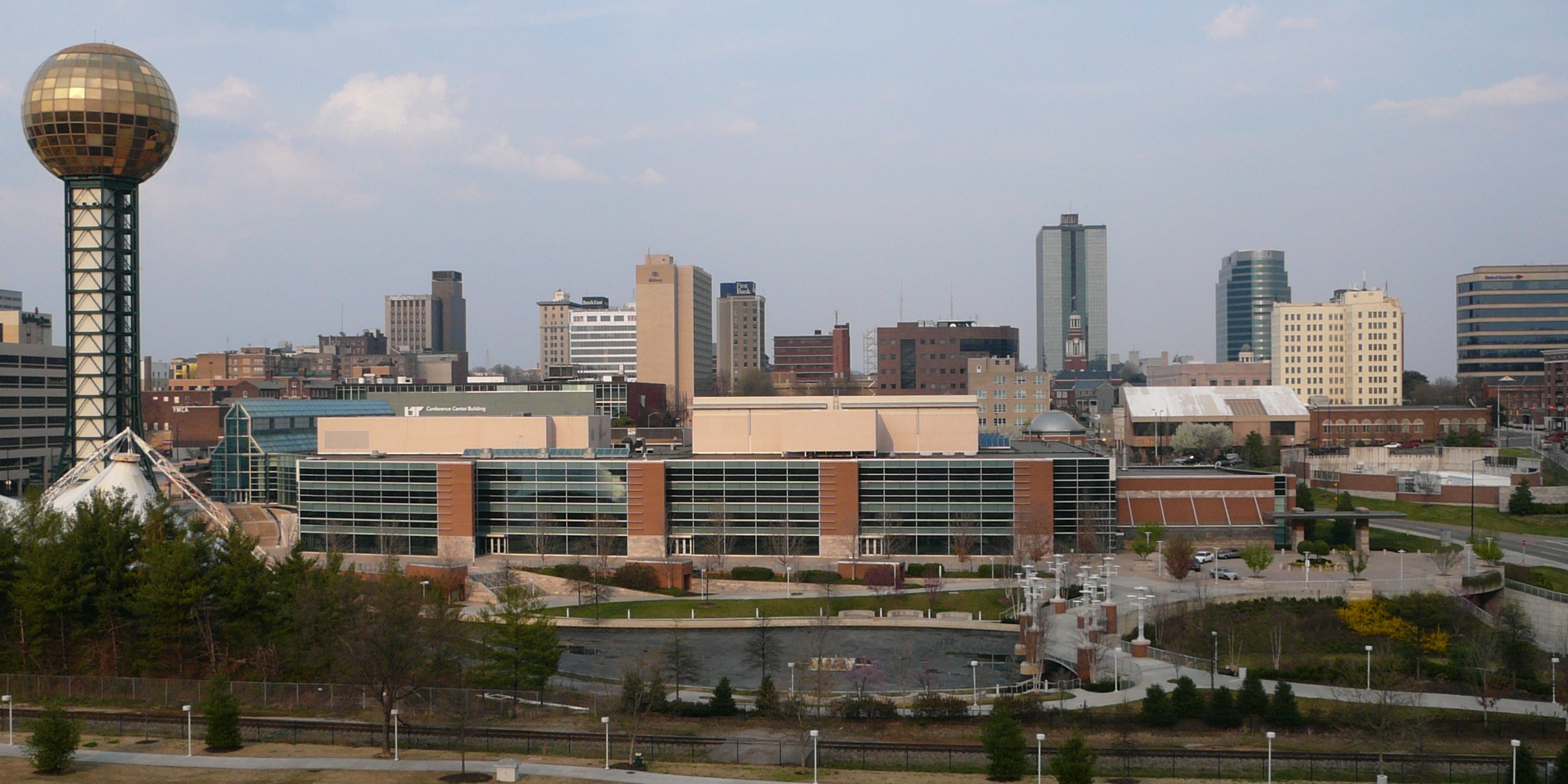
Pelvic Function Level 1 - Satellite - Knoxville TN - February 7 - 8 2026 - SOLD OUT
Feb 7 2026 - Feb 8 2026

Pelvic Function Level 1 - Satellite - Detroit MI - February 7 - 8 2026 - SOLD OUT
Feb 7 2026 - Feb 8 2026

Pelvic Function Level 1 - Satellite - Greenwich Village NY - February 7 - 8 2026 - SOLD OUT
Feb 7 2026 - Feb 8 2026


Pelvic Function Level 2B - Satellite - Seattle WA - February 14 - 15 2026 - SOLD OUT
Feb 14 2026 - Feb 15 2026

Pelvic Function Level 2B - Satellite - Galloway NJ - February 14 - 15 2026
Feb 14 2026 - Feb 15 2026

Pelvic Function Level 2B - Satellite - Owensboro KY - February 14 - 15 2026
Feb 14 2026 - Feb 15 2026

Mobilization of Visceral Fascia: Urinary - Satellite Lab Course - Torrance CA - February 20 - 22 2026
Feb 20 2026 - Feb 22 2026

Mobilization of Visceral Fascia: The Urinary System Satellite Lab Course - Self-Hosted - February 20 - 22 2026
Feb 20 2026 - Feb 22 2026

Mobilization of Visceral Fascia: Urinary - Satellite Lab Course - Lake Stevens WA - February 20 - 22 2026
Feb 20 2026 - Feb 22 2026

Mobilization of Visceral Fascia: Urinary - Satellite Lab Course - Medford OR - February 20 - 22 2026
Feb 20 2026 - Feb 22 2026
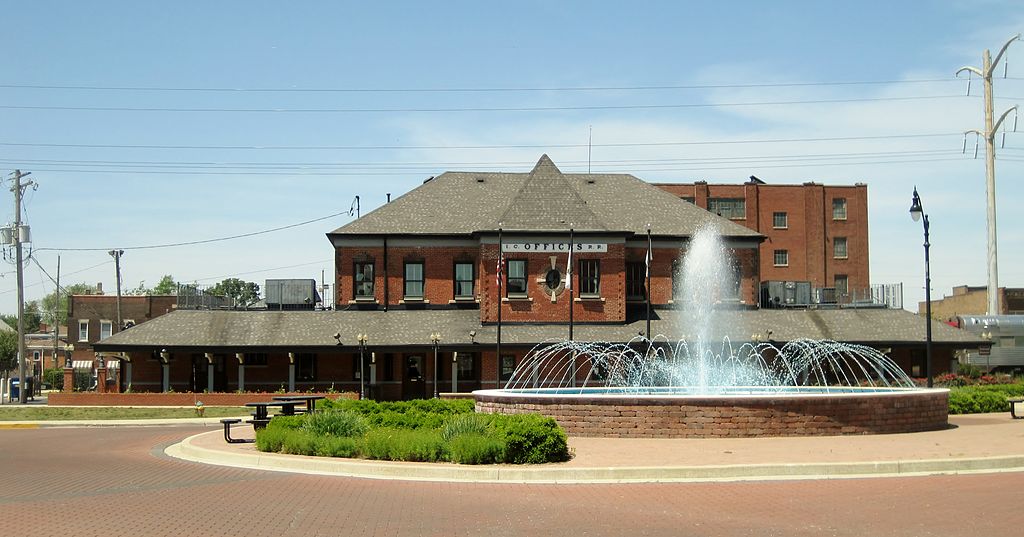
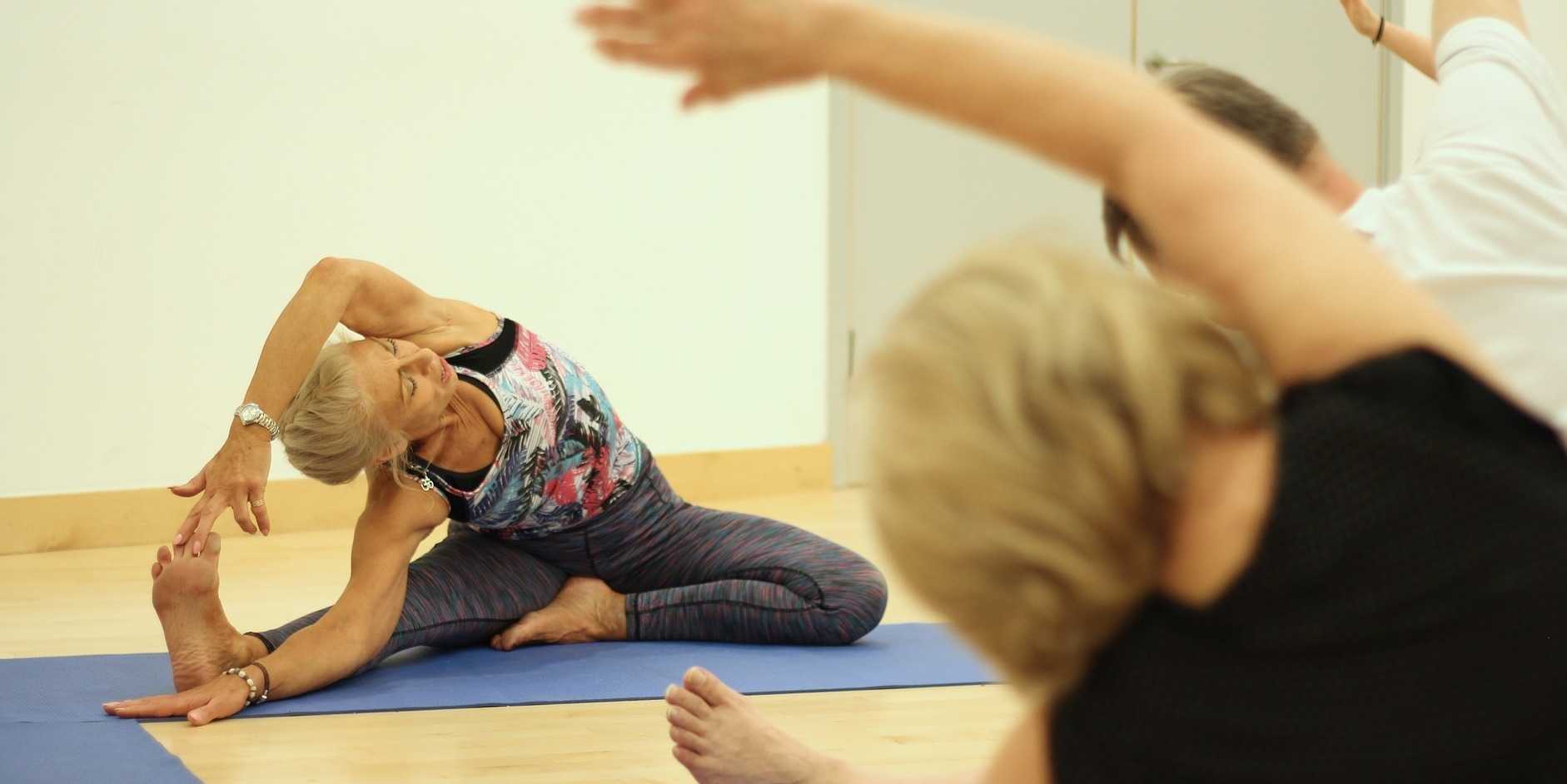
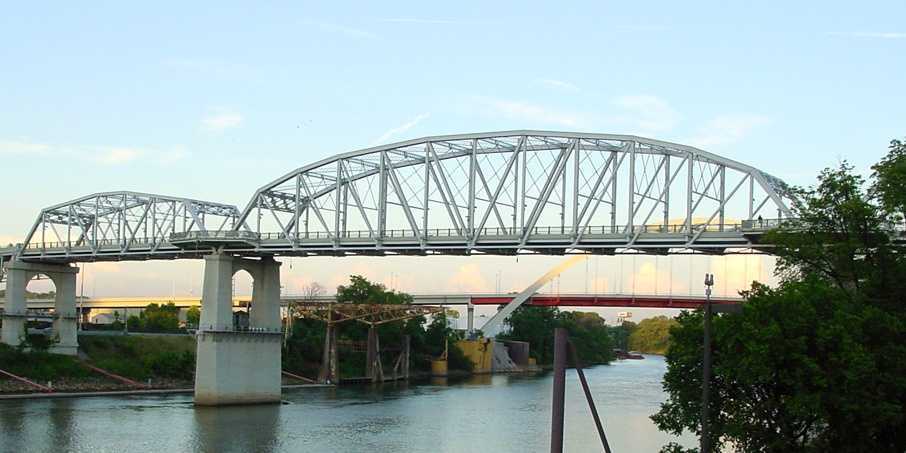
Pelvic Function Level 1 - Satellite - Nashville TN - February 21 - 22 2026
Feb 21 2026 - Feb 22 2026
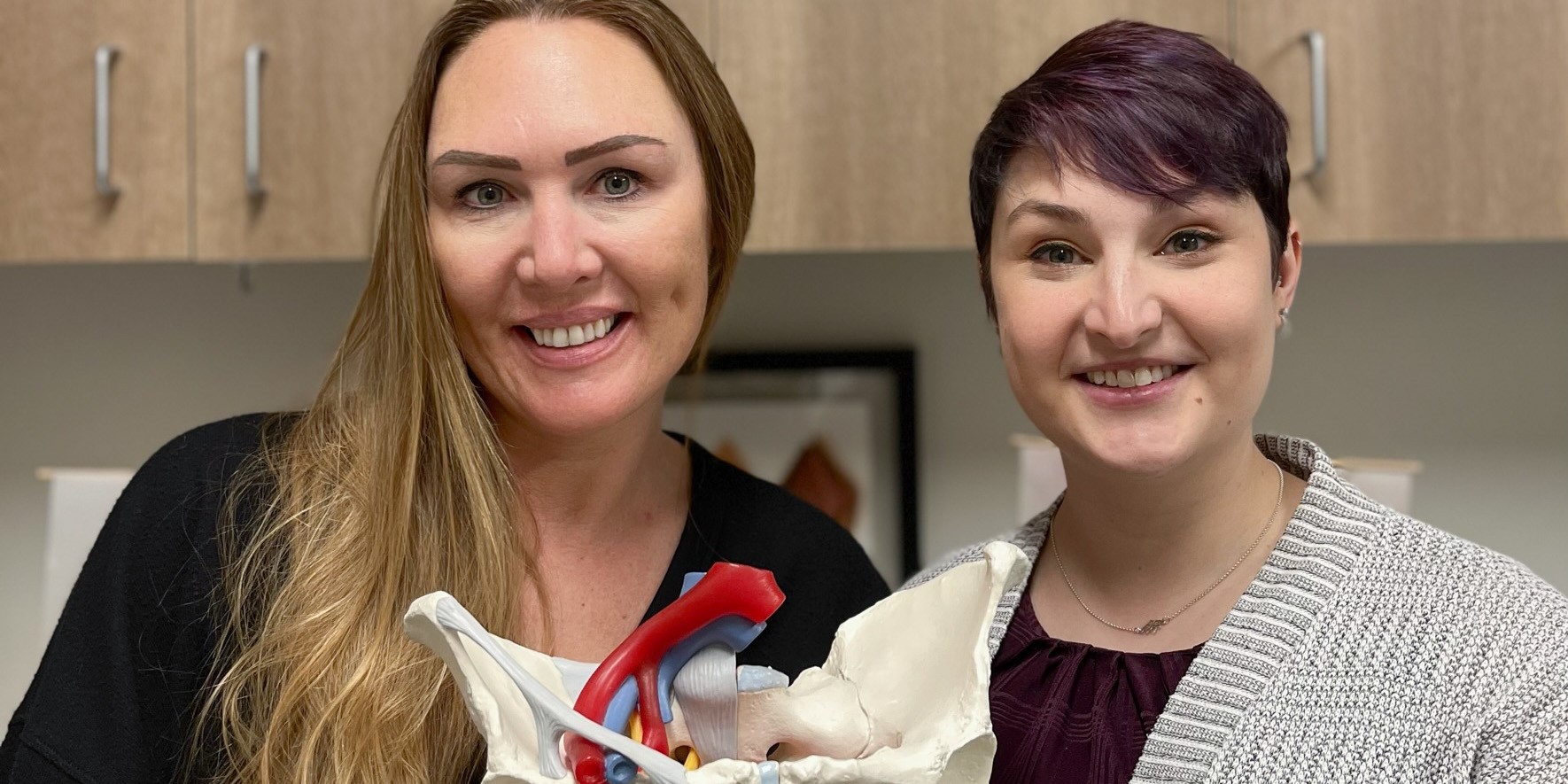
Pain Science for the Chronic Pelvic Pain Population - Remote Course - February 21 - 22 2026
Feb 21 2026 - Feb 22 2026

Pelvic Function Level 1 - In-Person - Grand Rapids MI - February 21 - 22 2026
Feb 21 2026 - Feb 22 2026

Pelvic Function Level 1 - Satellite - Las Vegas NV - February 21 - 22 2026
Feb 21 2026 - Feb 22 2026




Pelvic Function Level 2B - In-Person - Rochester MN - February 28 - March 1 2026 - SOLD OUT
Feb 28 2026 - Mar 1 2026

Pelvic Function Level 1 - In-Person - Boston MA - February 28 - March 1 2026
Feb 28 2026 - Mar 1 2026

Pediatrics Level 1 - Treatment of Bowel and Bladder Disorders - Remote Course - February 28 - March 1 2026
Feb 28 2026 - Mar 1 2026

Menopause Transitions and Pelvic Rehab - Remote Course - February 28 - March 1 2026
Feb 28 2026 - Mar 1 2026
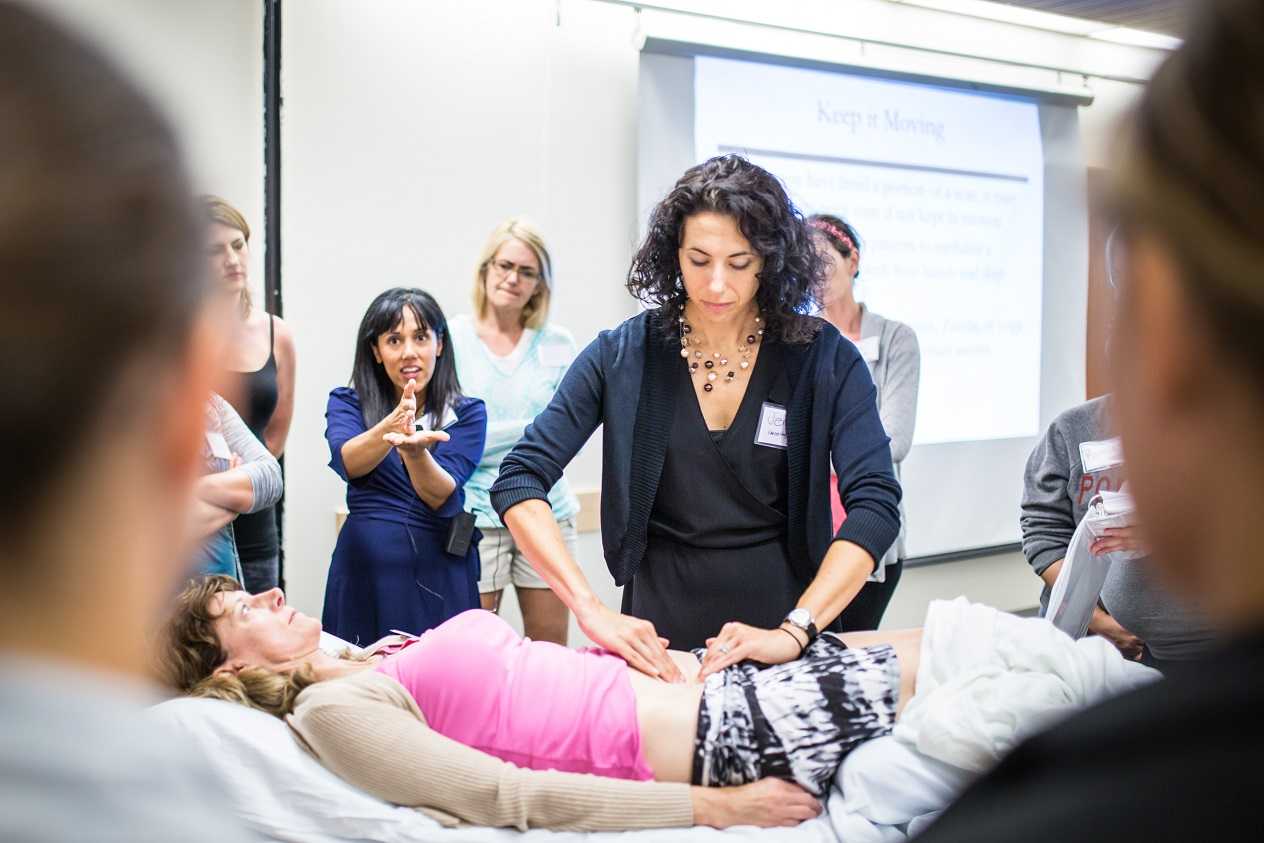
Boundaries Self-Care and Meditation - Remote Course - February 28 - March 1 2026
Feb 28 2026 - Mar 1 2026
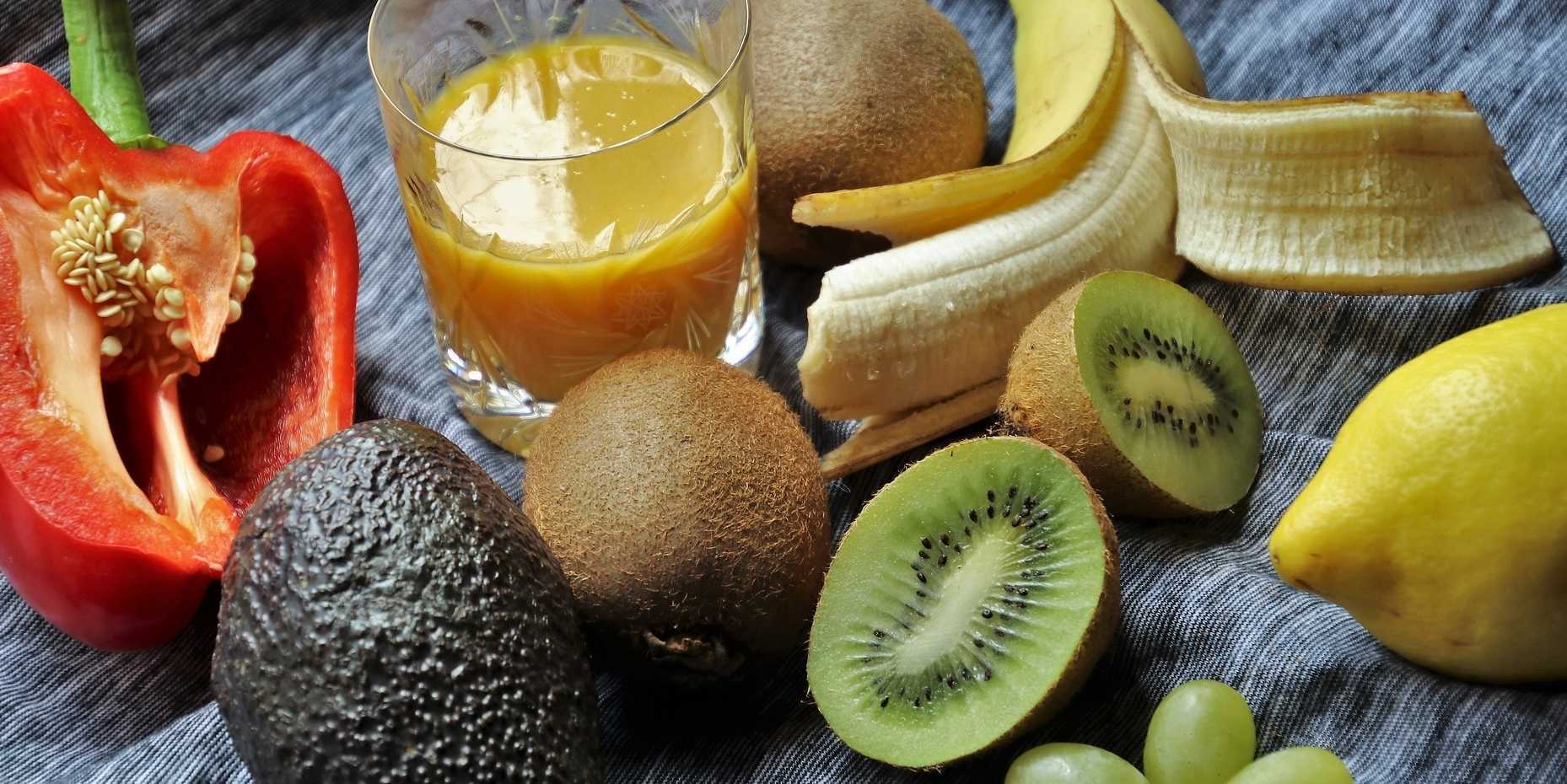
Nutrition Perspectives for the Pelvic Rehab Therapist - Remote Course - March 7 - 8 2026
Mar 7 2026 - Mar 8 2026

Pelvic Function Level 1 - Satellite - Long Beach CA - March 7 - 8 2026 - SOLD OUT
Mar 7 2026 - Mar 8 2026

Pelvic Function Level 1 - Satellite - Fort Worth TX - March 7 - 8 2026 - SOLD OUT
Mar 7 2026 - Mar 8 2026