

While the co-existence of fecal incontinence (FI) and constipation is well-recognized in the pediatric and geriatric population, the authors of this article suggest that the relationship is under-appreciated in the adult population. Samuel Nurko, MD, and Mark Scott, PhD, describe the association between pediatric functional fecal incontinence and constipation, stool retention, and incomplete evacuation. In adults, they point out, constipation may also be related to pelvic floor dysfunction and denervation. The negative impact on quality of life creates the need for these issues to be addressed more readily, both in adults and in children.
The study mentioned above cites a prevalence of fecal incontinence in school-aged children of 1-4%. The majority of the research cited in the article report that this incontinence is related to underlying constipation. Factors that may contribute to childhood holding of stool or to rectal dysfunction include constipation early in childhood, painful bowel function, "coercive toilet training practices and social stressors", fecal impaction, and treatments involving anal manipulation. It has been surprising to me how many adult patients describe psychologically stressful childhood associations with bowel function.Fortunately, the psychological stress, low self-esteem, and decreased quality of life that is associated with childhood bowel dysfunction improves with successful treatment of the condition. Childhood behavioral issues including bullying, disruptive behavior, and social withdrawal also are noted to improve following improvement in fecal issues, suggesting that the terrible social impact of fecal incontinence may be to blame for some of the behavioral issues.
In relation to the adult population, the authors state that while the coexistence of constipation and FI may not be known, constipation has been shown to be an independent risk factor for FI and incomplete emptying is associated with fecal incontinence.In the patient who has poor emptying of the bowels, overflow can occur, and this type of leakage is then associated with constipation. It follows, then, that treatment of the constipation should improve the fecal leakage. Three mechanisms are described regarding the pathophysiology of incontinence caused by constipation: overflow due to fecal impaction; post-defecation leakage caused by rectal stool retention from a rectal evacuatory disorder; and general pelvic floor weakness or denervation. Certainly, neurological or other disease conditions can cause bowel dysfunction, yet this article focuses on "functional" constipation not caused by such diseases.
Clinically, patients who present with fecal leakage can have a difficult time understanding the relationship between constipation and fecal incontinence. Educating the patient about bowel health and function are critical in "selling" the self-management strategies that will form the foundation of the patient's recovery. If you are interested in learning more about bowel health and function, come to the 2A course that instructs the participant in common colorectal conditions, constipation, and fecal incontinence. If you have already taken the course, check out the Institute's new course on bowel dysfunction that includes a lab for anorectal balloon re-training.
In the April Physical Therapy Journal, authors ask the question: does the relationship between the patient and the physical therapist impact patient outcome? This relationship, or therapeutic alliance, was measured through use of the Working Alliance Inventory at the second treatment session. The 182 patients included in the reporting were all diagnosed with chronic low back pain, and they completed outcomes before and after 8 weeks of treatment including the Patient-Specific Functional Scale, the Global Perceived Effect Scale, the visual analog scale, and the Roland-Morris Disability Questionnaire. The patients were divided among 7 experienced physical therapists.
The authors conclude that "Higher levels of therapeutic alliance...were associated with greater improvements in perceived effect of treatment, function, and reductions in pain and disability." Considering that this alliance was measured at the second visit, it clearly does not take a patient long to decide if there is a positive alliance formed. So how do we create that alliance? One of the reported limitations of the study is the lack of knowledge about the therapists' behaviors or interpersonal skills, therefore a correlation between such skills and patient's perceived alliance cannot be made. Another research article appearing in the same journal may offer some clues towards this issue.
An article titled "Measuring Verbal Communication in Initial Physical Therapy Encounters" suggests that clinical communication is critical in providing the patient with a positive experience. How can that be measured? 27 patient initial evaluations completed among 9 physical therapists were observed, audio recorded, and categorized using the Medical Communications Behavior System, a tool created to measure information-providing interactions. The results of the categorizations included that the therapists spoke for nearly 50% of the time compared to the patient's 33%. Emotional content was rarely included. Experienced clinicians were found to give more advice or suggestions, to utilize less restatement, and were also noted to be more likely to talk concurrently or interrupt the patient.
Documented negative therapist behaviors included being interrupted in the clinic, giving disapproval, or using jargon. These types of interactions or behaviors may be easily limited with setting standards for limiting interruptions (only in emergencies), or by being certain that each treatment room is stocked with similar equipment, that sort of thing. Avoiding disapproving statements or use of jargon requires that the therapist "listen" to him or herself, avoid falling into verbal habits, and make an effort to consciously choose language that is patient-centered and positive. The authors point out that basic clinical communication requires listening without interruption and making effort to hear what the patient is truly saying or is trying to say.
In our efforts to provide information in our clinic setting, where it seems there is never quite enough time to complete patient and clinician paperwork/documentation, share home program information and complete clinical interventions, it is easy to understand why the above tasks may be challenging. Both research articles are groundbreaking in that when evaluating some of the factors that are related to the patient/therapist relationship and communication, our profession is beginning to make connections among variables that appear to be less tangible. It is this information that can help explain why some patients are more adherent, why some respond better to particular interventions, or to a particular person. For our part, when outside of the research community, we can make efforts to attend to patient rapport, relationships, and communication, and look for more guidance on how to measure these variables and provide the optimal experience for our patients.
Among the patients who we serve, the diagnosis of orthotopic neobladder, or "neobladder" can leave the pelvic rehab therapist wondering about the procedure itself as well as the best course of therapy. Understanding the anatomy and physiology of the surgical diversion, the risks and benefits, and the common urinary dysfunctions can assist in development of the plan of care.The neobladder surgery is one option for patients who must have the bladder removed, often in the event of bladder cancer. As the 4th most common cancer in the United States, theNational Cancer Instituteestimates that there will be over 72,000 new cases of bladder cancer in the US in 2013. Other reasons a patient may be a candidate for a neobladder surgery include a neurogenic bladder that risks renal function, radiation injury to the bladder, severe urinary incontinence, and pelvic pain syndromes.
The surgery involves creating a pouch for storage of urine from a portion of the small intestine. For a brief and helpful video of how this surgery is completed, click here. Early complications of the surgery include rupture of the new bladder reservoir and bacterial peritoneal infection. This is a medical emergency and would be treated with antibiotics and surgical revision. Late complications can include urinary obstruction. More commonly, patients who are referred for pelvic rehabilitation may experiencedysfunctions including urinary incontinence and retention. While the latter tends to be an issue in the immediate post-surgical period, incontinence is more prevalent in later recovery. A Medscape article about urinary diversions and neobladder can be accessed here.
An article reviewing 1000 cases of neobladder surgery over 25 years reports complications including hydronephrosis, incisional hernia, ileus or small bowel obstruction, urinary tract infection, B12 deficiency, and occasional obstruction and even death. The authors conclude that patient age and comorbidities contribute to the challenge of avoiding such complications, and that patients are best managed in a surgical center where many of the operations are completed. In another article describing the urinary function outcomes in 49 women who were treated with a neobladder diversion, daytime incontinence was reported in 43%, nightime incontinence in 55%, and hypercontinence in 31%. Hypercontinence refers to difficulty emptying the neobladder. Aweb postingon a site for survivors of bladder cancer describes a technique that women can use to aid in emptying the pouch.
A review of websites and journal articles describing postoperative interventions typically lists "Kegel exercises" as one part of training. Further research will assist in providing recommendations for treatment, yet at this time, patients will be able to benefit from standard therapy approaches for urinary dysfunction. Behavioral training can help the new pouch stretch to some extent, the patient may need to learn to relax the pelvic floor while using low level abdominal pressure to empty the bladder, and information about proper hydration will also be beneficial. Because the lining of the neobladder is mucosal, it sloughs off bits of tissue that appear in the urine as a normal part of postoperative voiding. This fact increases the importance of maintaining a hydrated level of fluid in the body to help pass these bits of tissue and avoid blockage. Keep in mind that many patients who present with a neobladder may have experienced other medical treatments for cancer or other disease processes or illnesses, and the effects of these other medical interventions can affect speed of recovery.
A patient who was recently referred to me for continence training following a neobladder surgery progressed to 75% improvement of stress incontinence over a period of 6- 8 weeks, with a further recovery with home program to near 90% recovery. His examination included pelvic muscle strength, coordination, and endurance assessment via the rectal canal, and his treatment plan included a progressive exercise program based on the findings of the exam. Each patient who presents to our facilities will have a varied history, and a thorough subjective exam will guide the pelvic rehab provider in determining the appropriate examination approach. There are patient resources available on the internet that also inform the rehab therapist. For example, the Bladder Cancer Advocacy Network provides this handout "for patients from patients" that highlights suggestions and common questions. If you are working in or near a large hospital system, finding out who performs these surgeries may offer an opportunity for marketing if you are not yet seeing these patients. If you are in a more rural location, you may find that a patient living in your community can complete follow-up in your clinic while attending medical appointments with the surgeon as needed.
Pelvic Floor Muscles: To Strengthen or Not to Strengthen?
If that is the question, then who should provide the answer? As I was reading yet another article about how women should strengthen the pelvic floor muscles to have a better orgasm, I can't help but think about the unfortunate women for whom this is a bad idea. Yes, having healthy awareness of and strength in the pelvic floor muscles is important for healthy sexual function, but healthy muscles and building of awareness is challenging to achieve from viewing a few images.
If you clicked on the link above about the article in question, you will see that the recommendation is for activating the pelvic floor muscles and engaging in pelvic strengthening exercises for up to a couple minutes per exercise, with several exercises prescribed up to 2x/day for a period of weeks. And that if you visualize stopping the flow of urine, you will surely feel the muscles activate. Based on clinical experience, we know that this is not the case for most women. One verbal cue may not be enough. The woman may not feel the muscle activation. She may have tight, painful pelvic muscles that are limiting healthy sexual function. These are issues that pelvic rehab providers face on a daily basis: when and how to strengthen the muscles.
Rhonda Kotarinos and Mary Pat Fitzgerald did the world of pelvic rehab an immense good with their promotion of the concept of the "short pelvic floor."If a patient presents with pelvic muscle tension, shortening of the muscle, and poor ability to generate a contraction, a relaxation phase, or a bearing down of the pelvic muscles, how in the world will trying to tighten those overactive muscles bring progress? This concept is further described in a 2012 article from the Mayo Clinic by Dr. Faubion and colleagues. The article explains the cluster of symptoms commonly seen with non-relaxing pelvic floor muscles including pain and dysfunction in bowel, bladder, and sexual function. Medical providers and rehab clinicians should look for this cluster of symptoms and combine this knowledge with a pelvic muscle assessment to decide if pelvic muscle strengthening is warranted.
If this has not been a part of your current practice, please consider ruling out a shortened or non-relaxing pelvic floor prior to suggesting any "Kegels" or pelvic muscle strengthening. If you are well aware of this issue, then it is our responsibility and opportunity to educate the public and the medical community to STOP! strengthening when it is not appropriate. The way I often explain this to patients or students is to pretend that a patient has walked in to the clinic with the shoulders elevated maximally, complaining of headaches or shoulder dysfunction. Then I say, "Great! Let's hit the weights- you just need to strengthen your upper traps." This always gets a giggle or a smirk, but the point is this: that is exactly what providers are doing to patients who walk in with bowel, bladder, pain, or sexual dysfunction when the announcement is made that "you just need to do your Kegels."
While we do not want to villainize Kegels or strengthening of the pelvic muscles, we do want our colleagues, our patients, and the valued referring providers to know that there is way more to pelvic health than strengthening. The abundance of bad advice available to our patients may leave them in worse condition and with less hope about finding relief. While well-intentioned, advice that only describes strengthening as the cure is misleading and potentially harmful.
I would estimate that a large majority of pelvic rehabilitation providers are current or past students of yoga- some of you may even be experienced or new yoga teachers. As a yoga student myself (of various teachers and approaches, and a tendency to wish I was more consistent with my own practice) I have often marveled at how old and well-founded so many yogic practices are in relation to the "new" techniques "discovered" by entrepreneurial practitioners in health-related fields. Look at pelvic muscle activation: by engaging our patients in awareness techniques involving the pelvic floor we are continuing a long tradition of a yogic principle. This principle, known to many as mula bandha, is an ancient phrase often interpreted as referring to "root" and "lock."
Over the past 5 years I have observed a tremendous increase in yoga practitioners who are interested in not only exploring the ability of the locking or stabilizing ability of the pelvic muscles, but also in exploring the necessity to "unlock" the person who is holding too much tension in the base of the spine and pelvis. The discussions related to this issue are at times hotly debated as well as thoughtful and elegant. One article might suggest a flow within which mula bandha can be integrated, and other articles warn against the overuse of the lock and the lack of awareness required to properly use mula bandha during asanas.
Last year I was approached by a local yoga school and studio, Yoga North, to learn more about how they were already incorporating pelvic floor awareness and practices into curriculum and classes dedicated to pelvic health. I had an opportunity to attend a class by a yoga teacher trained in their curriculum and in somatics, and I was very impressed at the language and techniques used to improve pelvic muscle awareness. More than ever, pelvic rehabilitation providers have an opportunity to engage other community practitioners and teachers so that we can learn from each other. It is not necessary that we speak each other's languages fluently, but that we find the common principles and share successes and challenges with which our patients/students present.
Another valuable resource recently announced is the coursework created by Ginger Garner in Medical Therapeutic Yoga. Check out her website for more background information and the course information available at MedBridge Education. If you prefer to see Ginger at a live course, she will offer "Yoga as Medicine" courses for peripartum issues- check these courses out on the Institute's home page for courses. Dustienne Miller is also offering this weekend! her new Yoga for Pelvic Pain course. You may have seen her well-attended presentation at CSm this year in San Diego. If you would like to host one of these courses at your facility, please contact the Institute.
You may recall that late in 2011, the United States Preventive Services Task Force created significant controversy by recommending againstroutine PSA (prostate specific antigen) testing. (A blog post from November 2011 covers the topic if you would like to review the recommendations.) The recommendations against use of routine PSA for prostate cancer screening is thought to avoid unnecessary biopsies as well as prevent urinary incontinence and erectile dysfunction related to procedures for prostate cancer. In this year's January edition of the Annals of Internal Medicine we have updated information that addresses the implications of screening among different age groups.
Authors from the Fred Hutchinson Cancer Research Center and the University of Washington in Seattle ran computer models to determine risk reduction and mortality levels in populations of men. The bottom line is this: in men who are at low risk of developing prostate cancer, reducing the frequency of PSA testing significantly reduces the potential for harm from interventions, while not significantly increasing the risk of death. For example, in men ages 50-74 (who have low PSA levels) screening every other year versus annually increases lifetime death risk by 0.1% The number of PSA tests would be reduced by 59% and false positive tests (blamed for significant amount of pain and unnecessary treatments) would be reduced by nearly half. Click here for the journal abstract.
Even if you are not working specifically with male pelvic rehab patients, you are likely working with male patients who are at an age when screening for prostate disease is recommended. How else can we promote prostate health with our patients? The Fred Hutchinson Cancer Research Center has found that eating dark green and cruciferous vegetables, drinking moderate amounts of red wine, and avoiding deep fried foods, smoking, and obesity can improve a man's chances of avoiding prostate cancer. As with many cancers, family history plays a role. Screening male patients, especially those who are in their 5th decade of life, is important. The American Cancer Society estimates more than 238,000 new cases of prostate cancer will be diagnosed this year in the US. Be alert to male patients who have pain in the low back or pelvis, as these areas are typical sites of metastasis. The National Cancer Institute has an excellent summary of prostate cancer risks, general information, and images related to anatomy that you might find useful for your own knowledge or for patient education.
Female Genital Cosmetic Surgery
What is it?
Female surgeries for modifying the genitalia are completed for many reasons of aesthetics or for reconstruction purposes. These surgeries or procedures may include:
Labioplasty: the reduction or augmentation (injection) of the labia minora or labia majora
Vaginal tightening procedure: aka "vaginal rejuvination" this involves narrowing the lower third of the vagina to tighten the canal for improved sensation during intercourse
Hymenoplasty: Narrowing the vaginal orifice by stitching together the hymenal remnants (an unbroken hymen can be a sign in some cultures of virginal status and female worthiness)
Clitoroplasty: reduction of the clitoral hood, clitoral reduction
Others: Perineoplasty, pubic enhancement, G-spot amplification
For a summary of several of the procedures mentioned, please click here for an article from PubMed Central.
So what's the big deal?
From the article linked above by Dobbleir et al., in 2011: "The absence of guidelines and evidence about aesthetic genital surgery has led to a comparison with female genital mutilation." TheWorld Health Organizationdefines genital mutilation as "removing and damaging healthy and normal female genital tissue. The American Congress of Obstetricians and Gynecologists found this issue to be of concern and in 2007 issued a statement against non-medical procedures.
How is it marketed?
Women (and girls) interested in FGCS are likely to seek information on provider websites. More often these websites are from cosmetic surgery practices versus gynecology practices. An article in 2011 reported on the information found on such websites, and concluded that both the quality and quantity of the information on the websites was poor and included incorrect information.
How is it helpful for us to be aware of FGCS?
In a recent MedScape article, Dr. Iglesia describes how the media has influenced young women and girls in the fad of removed pubic hair and "Barbie-doll" genitalia, leaving little room for the typical variations that occur in size and shape of the female genitals. More young girls (and it is pointed out that mothers are bringing their young daughters in for these procedures) are requesting to have their genitals modified to fit this standard that appears in the media. We can serve as a resource when a girl or woman is asking about "how things should look" or about an aesthetic procedure. While there are medical indications for a vaginal surgery, a cosmetic indication must be considered carefully in light of the potential complications that can include permanent damage, nerve dysfunction, pain, and other known side effects. Dr. Iglesia also recommends that health professionals serve as educators, sharing information about the variety of genital anatomical presentations that are both normal and healthy. She also recommends the book Petals as a resource. Check out the website for the book and the other products and information on the website by author Nick Karras.
Mirjam Lukasse of the University of Tromso in Norway and colleagues have completed interesting and relevant research among women who have experienced childhood sexual abuse and pregnancy. In a longitudinal cohort study based on data from the Norwegian Institute of Public Health, nearly 5000 women were questioned about childhood abuse and feelings about pregnancy. Between 18 and 30 weeks of gestation and again 6 months postpartum, subjects were sent questionnaires to assess associations between childhood abuse and women's fears about childbirth or preference for cesarean section (c-section) during pregnancy.In the study, 21% of the women reported experiencing childhood abuse. Women who were abused reported a significantly higher rate of fear of childbirth when compared to women who did not report abuse (23% and 15%, respectively.) Subjects who reported abuse were also more likely to state a preference for a c-section during the second pregnancy (6.4% versus 4%.)
The same author was the primary researcher on an article summarized as the following: "Abuse in childhood is associated with increased reporting of common complaints of pregnancy." The authors point out that clinicians need to consider the issue of childhood abuse when working with pregnant women who have multiple complaints or increased challenges from typical complaints in pregnancy. In a similar updated article, Lukasse and colleagues describe the relationship between sexual violence and pregnancy-related symptoms. You can access the full text article by clicking HERE. Prior or recent severe sexual violence is correlated in this research with suffering from equal to or greater than 8 pregnancy-related symptoms. Symptoms include backache, fatigue, constipation, pelvic girdle dysfunction, nausea/vomiting, edema, headache, urinary dysfunction, pruritus, and others.
Let's address the potential value of this information. Most of us who work in pelvic rehabilitation also treat women who are pregnant or who may become pregnant. While assuming that a woman who has significant pregnancy-related symptoms has been abused is not appropriate, considering that she has a history of abuse may be helpful to the patient. A woman who is experiencing abuse while pregnant may feel especially vulnerable as she considers how to care and provide for her child. Knowing how to ask questions in a respectful and clear way can be extremely helpful. The website "Survivors of Childhood Sexual Abuse" has a page of helpful language and strategies for the primary care provider who is engaging in a conversation about abuse. If you scroll down to the bottom of the page in the link you will find a printable summary of how to sensitively ask questions about abuse. Consider utilizing this information for an upcoming article review or inservice to staff or colleagues. Sharing statistics with patients and developing the habit of asking all patients about abuse can help to normalize the discussion so that patients feel safe enough to reach out when able.
Many of you are familiar with the foundational work of Penny Simkin, who is trained as a physical therapist and a childbirth educator. One of her more recent contributions to the field of childbirth is her book "When Survivors Give Birth" which discusses the challenging journey many women who have been abused face when in the midst of a pregnancy. In addition to having books for purchase, Penny also gives lectures on many topics including survivors and birthing. Her website can be accessed here.
These topics are covered in various ways throughout the pelvic rehab series and other specialty coursework such as the new peripartum courses offered this year. Sexual abuse can be a very sensitive and uncomfortable topic for both the provider and the patient. Being more aware of the high prevalence of abuse and also of the potential negative consequences of prior or current abuse leads the pelvic rehab provider to more proficient options.
Have you packed your bags for Combined Sections Meeting? This year, many faces of the Pelvic Rehab Institute faculty and friends will be present and will be sharing thoughts, information, and cool products.If you would like to freshen your tech skills (or learn some completely new ones) check out the social media and technology presentation by Tracy Sher and Sandy Hilton. They will be training participants in how to gather information from Twitter, Facebook, LinkedIn, RSS feeds, in how to locate on-line exercise programs, health and research blogs, and in how to access the international on-line physical therapy community.
Planning on taking the Women's Health board certification offered through the American Board of Physical Therapy Specialties? Elizabeth Hampton, Stacy Tylka and colleagues will enlighten attendees about exam application, completing the case study, exam eligibility, and about the roles and responsibilities of the WCS in the clinic. An added touch: "Chocolates and encouragement are both provided..." Nice!
Dustienne Miller will share her knowledge integrating yoga for patients who have pelvic pain. The session is at maximum capacity, so if you signed up for it- get there early! Tracy Spitznagle and Christina Holladay will present cases and educate the participant in caring for the complicated patient, which is certainly necessary for therapist who treat patients who have pelvic dysfunction and multiple system involvement. Tracy will also present with Ryan DeGeeter on abdominal pain during running and how to differentiate between gastrointestinal symptoms versus mechanical symptoms.
Dawn Sandalcidi, who many of you will know from the pediatric bowel and bladder training coursework, will present on another of her valuable skills: trigger point dry needling. And if you plan to treat men or women with pelvic complaints, you absolutely must check out the table that faculty member Brandi Kirk designed for use in the clinic. The table optimizes body mechanics and allows the therapist to comfortably treat patients with pelvic dysfunction. The table has removable supports for the patient's lower extremities as well. You can find the table to check out at the Current Medical Technologies booth in the exhibitor hall (Booth 1403). There will be a demo of the table from 2-2:30 pm Tuesday, Wednesday, and Thursday.
One last mention: in a combined effort, the APTA Section on Women's Health and The Shae Foundation are hosting an event that will explore collaborative healthcare models in women's and men's health. The event is on January 22nd at 6 pm and it will be moderated by Karen Brandon. More details can be located here. Hope to see you at CSM!
Pregnancy-related pelvic girdle pain (PPGP) has received increased interest in the news and in the research community in the past few years. PPGP can cause significant movement dysfunction both during and after pregnancy, and therapists can play a valuable role in prevention, intervention and rehabilitation. In the news lately are several recent studies that I will summarize and for which I have provided abstract links below.
Is pelvic girdle pain predictable?
The International Association for the Study of Pain reports on predictors of pelvic girdle pain in the working mom. In the study, 548 pregnant Dutch working women were recruited, and at 12 weeks postpartum nearly half of the women reported pain in the pelvic girdle. The pregnancy-related predictors for pelvic girdle pain at 12 weeks were low back pain history, increased somatisation, 8 hours or more sleep or rest/day, and uncomfortable postures at work. Pregnancy and postpartum-related predictors included increased disability and having pelvic girdle pain at 6 weeks, higher somatisation, higher baby birth weight, uncomfortable postures at work, and number of days of bed rest. The authors concluded that when a woman has pelvic girdle pain during pregnancy, increased attention should be given to the woman to prevent serious pelvic girdle pain in the postpartum period and beyond.
Research addressing mode of delivery and pelvic girdle painin 10,400 women who had singleton pregnancies found an association between cesarean section and persistent pelvic girdle pain following birth. A planned c-section was associated with 2-3 times higher rates of pelvic girdle pain at 6 months postpartum. The authors conclude that for women who have pelvic girdle pain in pregnancy, unless there is a compelling medical reason for c-section birth, a vaginal birth is recommended. In a study by the same lead author,Dr. Bjelland of Norway, women were found overall to have high rates of recovery from pelvic girdle pain in the postpartum period, yet women who experienced significant emotional distress during 2 times points in pregnancy had an independent association with persistent pelvic girdle pain.
Another Norwegian study asked if women were following exercise guidelines in pregnancy and how that was related to pelvic girdle and low back pain. The authors conclude that most pregnant women in Norway do not follow the current exercise guidelines in mid-pregnancy. For women who exercised at or more than 3x/week, they had a lower rate of pelvic girdle pain. In the women who exercised 1-2x/week, rates of low back pain and depression were lessened. The study findings suggest that exercising during pregnancy may lower the risk of pelvic and low back pain.
The more we understand about the relationship between pregnancy-related pelvic girdle pain and postpartum persistent pelvic girdle pain, the better prepared we are as pelvic rehab providers to offer support and healing. The research addressing best rehabilitation approaches for pelvic girdle pain continues, with reviews of the literature often concluding that we need more and better research.
All Upcoming Continuing Education Courses
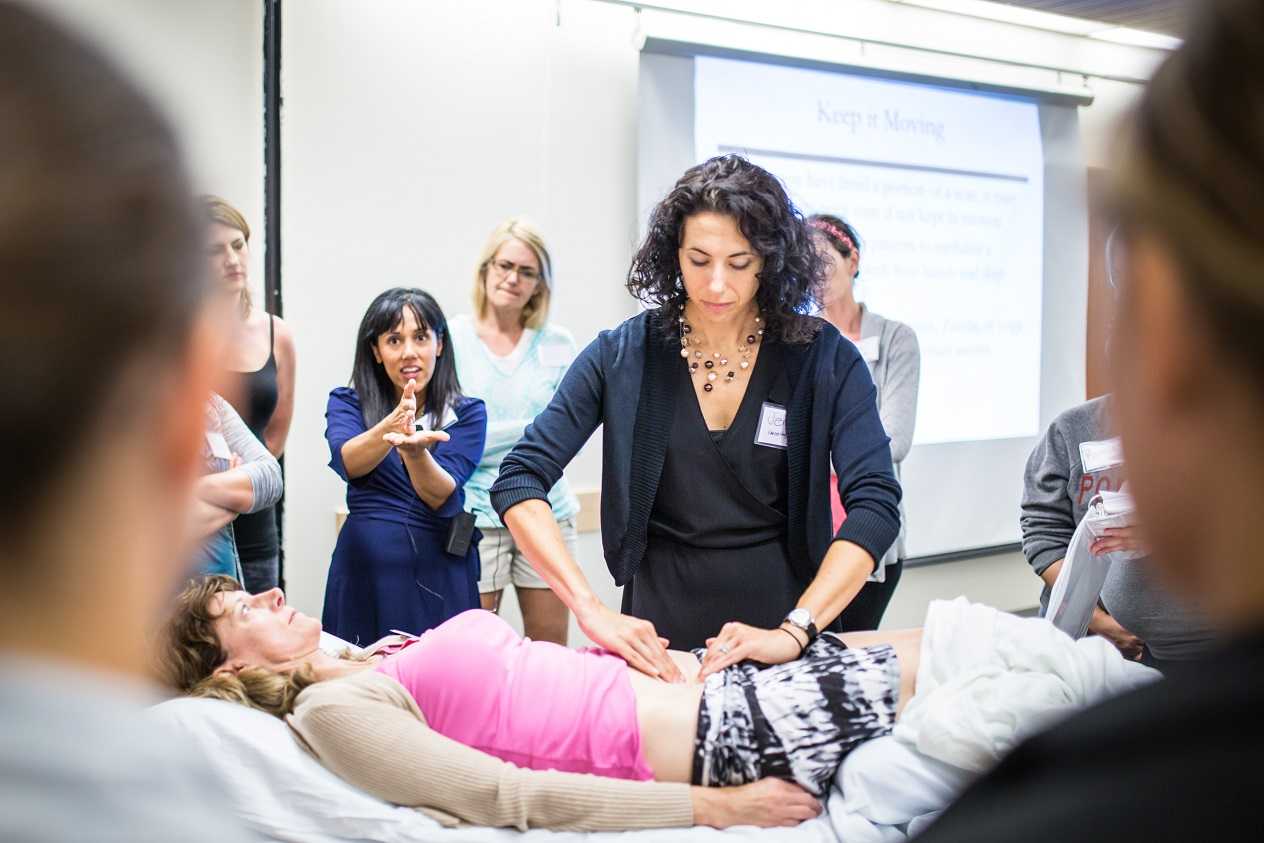


Mobilization of Gastrointestinal Visceral Fascia Satellite Lab Course - Self-Hosted - December 6 - 8 2024
Dec 6 2024 - Dec 8 2024

Mobilization of Visceral Fascia: The Gastrointestinal System - Phoenix AZ - December 6 - 8 2024
Dec 6 2024 - Dec 8 2024

Mobilization of Visceral Fascia: The Gastrointestinal System Satellite Lab Course - Woodbury NY - December 6 - 8 2024 - SOLD OUT
Dec 6 2024 - Dec 8 2024

Mobilization of Visceral Fascia - Gastrointestinal Satellite Lab Course - Raleigh NC - December 6 - 8 2024
Dec 6 2024 - Dec 8 2024

Mobilization of Visceral Fascia - Gastrointestinal Satellite Lab Course - Medford OR - December 6 - 8 2024
Dec 6 2024 - Dec 8 2024

Mobilization of Visceral Fascia: Gastrointestinal Satellite Lab Course - Milwaukee WI - December 6 - 8 2024
Dec 6 2024 - Dec 8 2024

Mobilization of Visceral Fascia - Gastrointestinal Satellite Lab Course - Ann Arbor MI - December 6 - 8 2024
Dec 6 2024 - Dec 8 2024


Nutrition Perspectives for the Pelvic Rehab Therapist - Remote Course - December 7 - 8 2024
Dec 7 2024 - Dec 8 2024

Biofeedback for Pelvic Muscle Dysfunction Satellite Lab Course - Self-Hosted - December 7 2024
Dec 7 2024
Sacral Nerve Manual Assessment and Treatment - Remote Course - December 7 - 8 2024
Dec 7 2024 - Dec 8 2024


Pelvic Function Level 2B - Satellite - Colorado Springs CO - December 7 - 8 2024
Dec 7 2024 - Dec 8 2024


Dry Needling and Pelvic Health Level 2 - Seattle WA - December 14 - 15 2024
Dec 14 2024 - Dec 15 2024

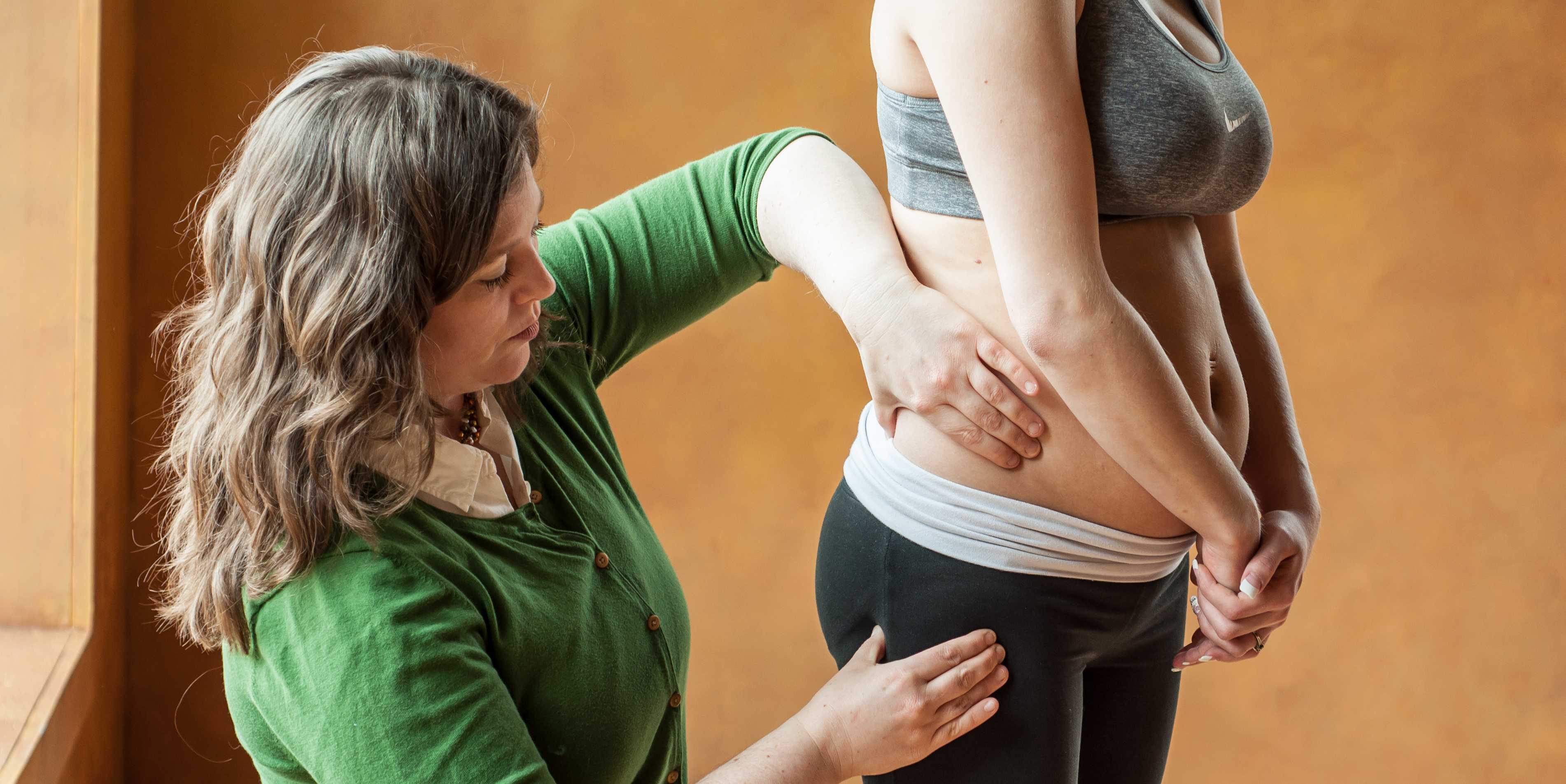

Pelvic Function Level 1 - Satellite - Denver CO - December 14 - 15 2024 - SOLD OUT
Dec 14 2024 - Dec 15 2024
Pelvic Function Level 1 - Satellite Lab Course - Lone Tree CO - December 14 - 15 2024 - SOLD OUT
Dec 14 2024 - Dec 15 2024

Pelvic Function Level 1 - Satellite - Jacksonville FL - December 14 - 15 2024
Dec 14 2024 - Dec 15 2024

Pelvic Function Level 1 - In-Person - New York NY - December 22 - 23 2024 - SOLD OUT
Dec 22 2024 - Dec 23 2024





Pelvic Function Level 1 - In-Person - Philadelphia PA - January 11 - 12 2025 - SOLD OUT
Jan 11 2025 - Jan 12 2025

Oncology of the Pelvic Floor Level 1 - Remote Course - January 11 - 12 2025
Jan 11 2025 - Jan 12 2025

Modalities and Pelvic Function - In-Person - Sacramento CA - January 11 - 12 2025
Jan 11 2025 - Jan 12 2025

Pediatrics Level 1 - Treatment of Bowel and Bladder Disorders - Remote Course - January 11 - 12 2025
Jan 11 2025 - Jan 12 2025


Pelvic Function Level 1 - Satellite - Knoxville TN - January 18 - 19 2025 - SOLD OUT
Jan 18 2025 - Jan 19 2025



Pelvic Function Level 1 - Satellite - Manchester IA - January 18 - 19 2025
Jan 18 2025 - Jan 19 2025

Pelvic Function Level 1 - Satellite - Long Beach CA - January 18 - 19 2025
Jan 18 2025 - Jan 19 2025



Pelvic Function Level 1 - Satellite - Fort Lauderdale FL - January 18 - 19 2025
Jan 18 2025 - Jan 19 2025

Pelvic Function Level 2B - Satellite - Bradenton FL - January 18 - 19 2025
Jan 18 2025 - Jan 19 2025